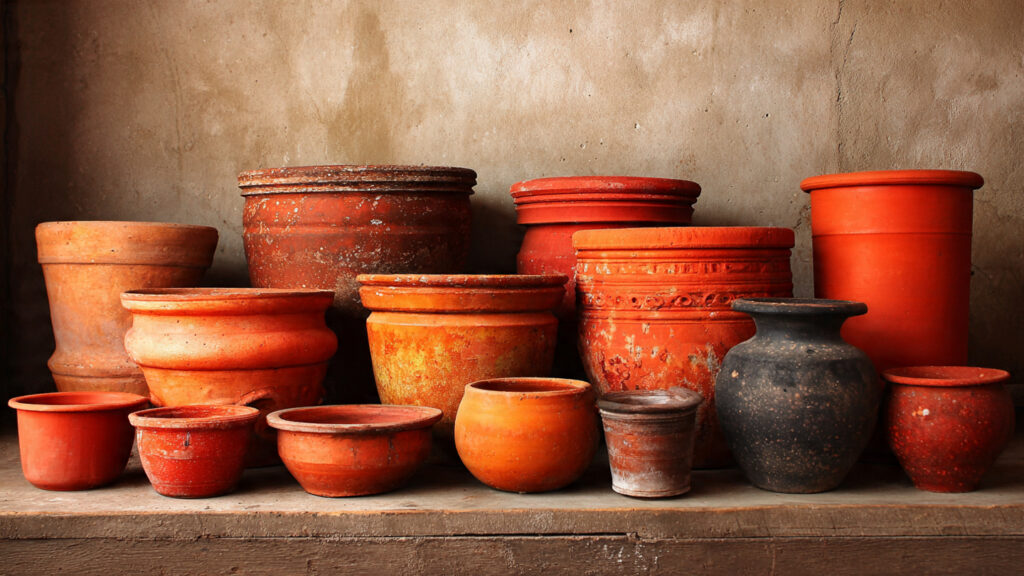
Terracotta pots have a timeless charm. Their warm, earthy tones and breathable clay structure make them a favorite among gardeners for everything from herbs and succulents to flowering annuals and small shrubs. But over time, terracotta can lose its beauty. White crusty deposits appear, algae stains develop, and the once-rich orange surface turns dull and chalky.
Before you throw away those tired-looking pots, there’s a simple, affordable solution hiding in your kitchen: vinegar.
A vinegar soak can dramatically restore, refresh, and even extend the life of your terracotta pots. Here’s how it works—and why this simple method can completely transform your containers.
Why Terracotta Pots Get Dirty and Stained
Terracotta is made from natural clay that’s fired at relatively low temperatures compared to glazed ceramics. This gives it its signature porous structure.
That porosity is both a benefit and a drawback.
The Benefits:
- Excellent breathability
- Improved root aeration
- Better moisture regulation
- Reduced risk of root rot
The Drawbacks:
- Absorbs water and dissolved minerals
- Traps fertilizer salts
- Accumulates algae and mold
- Develops white mineral crust (efflorescence)
When you water plants—especially with hard water—minerals like calcium and magnesium seep into the clay. As the water evaporates, these minerals remain behind, creating the familiar white buildup on the surface.
Over time, this buildup doesn’t just look unattractive—it can affect plant health.
What Is the White Crust on Terracotta?
That chalky residue is called efflorescence. It’s made up of mineral salts left behind after water evaporates.
If you use tap water or chemical fertilizers regularly, salt accumulation increases. In extreme cases, salts can:
- Alter soil pH
- Reduce nutrient uptake
- Damage plant roots
Cleaning terracotta isn’t just cosmetic—it supports healthier growing conditions.
Why Vinegar Works So Well
Vinegar contains acetic acid, a mild acid strong enough to dissolve mineral deposits but gentle enough for household use.
When applied to terracotta:
- It breaks down calcium deposits
- Loosens salt buildup
- Helps remove algae stains
- Restores natural clay color
The acid reacts with alkaline mineral residues, dissolving them so they can be rinsed away easily.
It’s simple chemistry—and very effective.
How to Perform a Vinegar Soak
Transforming your pots takes less time than you think.
➡️ How to Grow Malabar Spinach from Cuttings for Fast, Easy Greens
➡️ How to Grow Super Delicious Cabbage at Home Without a Garden
➡️ How to Grow Bean Sprouts at Home in Plastic Bottles Easily (Step‑by‑Step Guide)
➡️ Why is Your Lemon Tree Blooming in the Heart of Winter?
➡️ Why Should Your Garden Have a Dedicated Pollinator Highway?
➡️ Why Do Your Fruit Trees Need a Winter Wash to Thrive in Spring?
➡️ How Can Rice Water Transform Your Fruits into Sweeter Delights?
➡️ Jumpstart Your Winter Garden: Seed Starting Under Lights
Step 1: Remove Soil and Debris
Empty the pot completely. Brush away loose soil and rinse with water.
Step 2: Prepare the Solution
Mix one part white vinegar with three to four parts water in a large bucket or tub.
For heavy buildup, you can use a slightly stronger ratio, but avoid using pure vinegar.
Step 3: Soak the Pots
Submerge the pots fully in the solution. If they’re too large, pour the solution inside and over the surface.
Let them soak for 30 minutes to one hour.
You may notice bubbling—this is the acid reacting with mineral deposits.
Step 4: Scrub Gently
After soaking, use a brush or scouring pad to remove loosened residue.
Most buildup should come off easily.
Step 5: Rinse Thoroughly
Rinse pots well with clean water to remove any remaining vinegar and dissolved salts.
Allow them to dry completely before replanting.
The Visual Transformation
After a vinegar soak, you’ll often notice:
- Brighter, more vibrant terracotta color
- Removal of chalky white crust
- Cleaner interior walls
- Reduced algae staining
Old pots can look nearly new again.
Even heavily stained containers regain much of their original beauty.
How It Improves Plant Health
Beyond aesthetics, vinegar cleaning benefits your plants.
1. Reduces Salt Accumulation
Excess salts can pull moisture away from roots and disrupt nutrient absorption.
Removing salt buildup resets the pot for healthier growing conditions.
2. Lowers Risk of Disease
Cleaning eliminates fungal spores, bacteria, and algae that may linger from previous plantings.
3. Prevents pH Imbalance
Salt deposits can alter soil chemistry. Cleaning restores neutrality.
Healthy containers support healthy roots.
How Often Should You Soak Terracotta Pots?
Ideally:
- Clean pots thoroughly at the end of each growing season.
- If using hard water, consider cleaning once mid-season as well.
- Always clean pots before reusing them for new plants.
Regular maintenance prevents heavy buildup and reduces scrubbing effort.
Can Vinegar Damage Terracotta?
When diluted properly, vinegar is safe for terracotta.
However:
- Avoid prolonged soaking in highly concentrated vinegar.
- Do not leave pots soaking overnight in strong solutions.
- Always rinse thoroughly after treatment.
Used responsibly, vinegar is gentle yet effective.
What About Mold and Algae?
Terracotta’s porous nature makes it susceptible to green algae growth, especially in humid climates.
Vinegar helps eliminate surface algae and mild mold.
For stubborn organic growth:
- Combine vinegar soak with light scrubbing.
- Allow pots to dry in direct sunlight afterward, as UV light naturally kills remaining spores.
The Sustainability Advantage
One of the best things about using vinegar is its environmental friendliness.
Compared to harsh chemical cleaners:
- It’s biodegradable.
- It doesn’t leave toxic residues.
- It’s inexpensive and widely available.
For organic gardeners, vinegar offers a safe, low-impact solution.
Additional Tips for Long-Term Pot Care
Use Rainwater When Possible
Rainwater contains fewer dissolved minerals than tap water, reducing salt buildup.
Avoid Over-Fertilizing
Excess fertilizer contributes to salt accumulation inside pots.
Elevate Pots
Using pot feet improves drainage and reduces mineral streaking on surfaces.
Let Pots Dry Between Waterings
Constant saturation increases salt migration through the clay.
Small care adjustments extend the life of terracotta.
Should You Seal Terracotta Pots?
Some gardeners apply sealants to reduce porosity.
While sealing:
- Reduces staining
- Slows moisture loss
It also:
- Reduces breathability
- Changes the natural character of terracotta
Many gardeners prefer the natural aging process and occasional vinegar cleaning instead of sealing.
When Vinegar Isn’t Enough
In cases of extremely heavy mineral buildup:
- Repeat the soak process.
- Use a slightly stronger vinegar ratio.
- Combine with baking soda scrub after rinsing (separately, not mixed).
However, most pots respond well to one thorough soak.
The Aesthetic Appeal of Clean Terracotta
Freshly cleaned terracotta enhances garden design.
The warm clay tones contrast beautifully with green foliage and colorful blooms. Clean pots look intentional and cared for rather than neglected.
A small maintenance ritual can elevate the overall appearance of your garden or patio.
The Psychological Boost of Clean Containers
There’s something satisfying about restoring old garden tools and containers.
Cleaning terracotta:
- Feels productive during off-season months.
- Prepares you mentally for new planting.
- Encourages better gardening habits.
When spring arrives, your containers are ready—not cluttered or crusted.
Final Thoughts
A vinegar soak may seem like a small task, but its impact is surprisingly powerful.
It restores the natural beauty of terracotta, removes harmful salt buildup, supports healthier plant growth, and extends the life of your containers—all with a simple, affordable household ingredient.
Instead of replacing stained pots, rejuvenate them. A quick soak, a gentle scrub, and a thorough rinse can transform tired clay into fresh, vibrant containers ready for a new growing season.