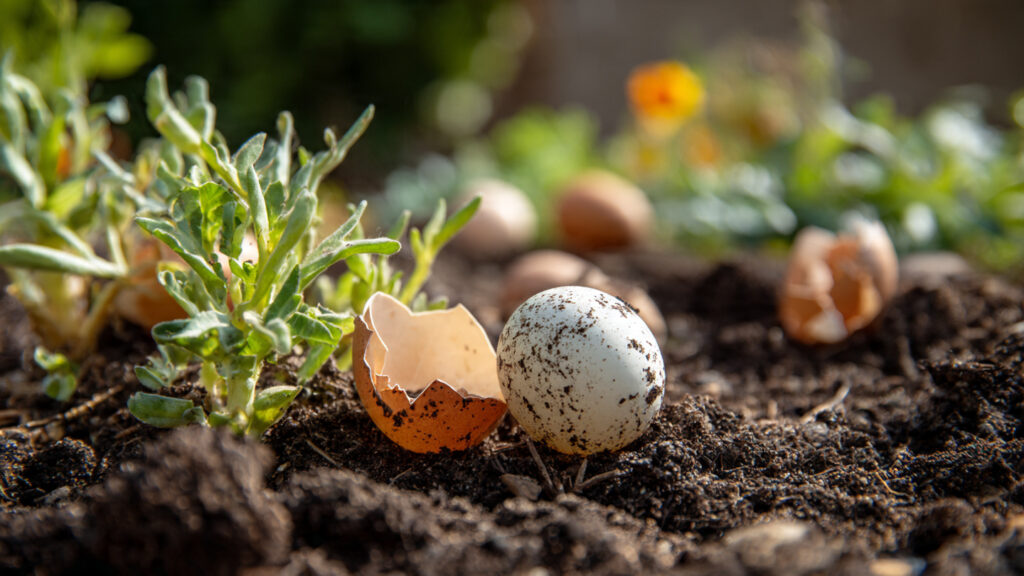
Every kitchen produces them. Most people toss them into the trash without a second thought. Yet eggshells—those fragile, chalky leftovers from breakfast—hold surprising power for gardeners. If you’re looking for an inexpensive, natural way to enrich your soil and strengthen your vegetables, eggshells might be the simple solution you’ve overlooked.
For centuries, gardeners have relied on organic materials to improve soil health. Long before synthetic fertilizers became common, people returned kitchen scraps to the earth. Today, as interest in sustainable gardening grows, many are rediscovering the benefits of natural amendments like compost, mulch, and crushed eggshells.
So how exactly can eggshells transform your vegetable garden into a fertile paradise? Let’s explore the science, the benefits, and the practical ways to use them effectively.
The Nutritional Power Inside Eggshells
Eggshells are made primarily of calcium carbonate—the same compound found in agricultural lime. Calcium is one of the essential nutrients plants need for strong cell wall development, root growth, and overall plant structure.
In fact, calcium plays a critical role in preventing common plant disorders such as blossom end rot in crops like:
- Tomatoes
- Peppers
- Eggplants
- Squash
When soil lacks available calcium, plants struggle to move nutrients efficiently, leading to weak growth and fruit problems. Adding crushed eggshells introduces a slow-release source of calcium into the soil.
But eggshells contain more than just calcium. They also provide trace amounts of:
- Magnesium
- Phosphorus
- Potassium
While the quantities are small, they contribute to overall soil balance over time.
Improving Soil Structure Naturally
Healthy soil is alive. It contains organic matter, beneficial microbes, fungi, and insects working together to create a thriving ecosystem. When you add crushed eggshells to your compost or directly into garden beds, you support this ecosystem.
As eggshells break down:
- They improve aeration in compacted soil.
- They encourage microbial activity.
- They contribute to long-term soil fertility.
Though eggshells decompose slowly, that gradual breakdown ensures a steady supply of nutrients rather than a quick burst followed by depletion.
Preventing Blossom End Rot
Blossom end rot is one of the most frustrating problems for home gardeners. It appears as a dark, sunken patch on the bottom of tomatoes or peppers and is commonly linked to calcium deficiency or inconsistent watering.
While proper watering practices are crucial, incorporating eggshells into the soil can help maintain a steady calcium supply. Crushed finely and mixed into the planting hole before transplanting tomatoes or peppers, eggshells provide localized calcium near developing roots.
Although eggshells are not an instant cure, consistent use over time can significantly improve soil calcium levels.
Natural Pest Deterrent
Eggshells also serve as a mild physical barrier against certain garden pests.
➡️ How to Grow Malabar Spinach from Cuttings for Fast, Easy Greens
➡️ How to Grow Super Delicious Cabbage at Home Without a Garden
➡️ How to Grow Bean Sprouts at Home in Plastic Bottles Easily (Step‑by‑Step Guide)
➡️ Why is Your Lemon Tree Blooming in the Heart of Winter?
➡️ Why Should Your Garden Have a Dedicated Pollinator Highway?
➡️ Why Do Your Fruit Trees Need a Winter Wash to Thrive in Spring?
➡️ How Can Rice Water Transform Your Fruits into Sweeter Delights?
➡️ Jumpstart Your Winter Garden: Seed Starting Under Lights
Slugs and Snails
Crushed shells scattered around plants create sharp edges that discourage soft-bodied pests like slugs and snails from crawling across them. While not foolproof, this method can reduce damage, especially when combined with other pest management techniques.
Cutworms
Some gardeners place crushed shells around seedlings to deter cutworms that chew through young stems at soil level.
While eggshells are not a complete pest control solution, they offer a chemical-free, eco-friendly layer of defense.
Balancing Soil Acidity
Most vegetables prefer slightly acidic to neutral soil. If your soil is overly acidic, calcium carbonate from eggshells can help buffer and moderate pH levels over time.
However, eggshells work slowly. For significant pH adjustments, soil testing and larger amendments may be necessary. Still, regular application of crushed shells contributes to gradual balance and stability.
Compost Enhancement
One of the best ways to use eggshells is by adding them to your compost pile.
When crushed and mixed with:
- Fruit and vegetable scraps
- Leaves
- Grass clippings
Eggshells break down more efficiently. Composting accelerates decomposition, making calcium more available to plants once the compost is applied to garden beds.
To speed up breakdown, rinse shells, let them dry, and crush them finely before adding them to compost.
Seed Starting Boost
Finely ground eggshell powder can be used in seed-starting mixes. Calcium supports strong root development and sturdy seedlings.
Some gardeners even use half eggshells as tiny biodegradable seed-starting pots. Fill clean shell halves with seed-starting mix, plant seeds, and transplant directly into the soil. The shell decomposes naturally, feeding the seedling as it grows.
How to Prepare Eggshells for the Garden
Preparation matters. Simply tossing whole shells into the garden won’t provide immediate benefits.
Follow these steps:
- Rinse shells to remove egg residue.
- Allow them to dry completely.
- Crush them finely using your hands, a rolling pin, or a blender.
- Sprinkle directly into soil, compost, or planting holes.
The finer the shells are crushed, the faster they break down and release nutrients.
Long-Term Soil Health Benefits
Eggshells are not a quick-fix fertilizer. Instead, they contribute to long-term soil improvement.
Over multiple growing seasons, consistent use can:
- Increase calcium levels naturally
- Improve microbial diversity
- Strengthen plant cell walls
- Support healthier root systems
When combined with compost and organic matter, eggshells become part of a sustainable gardening cycle.
Which Vegetables Benefit Most?
Certain vegetables particularly appreciate calcium-rich soil:
- Tomatoes
- Peppers
- Broccoli
- Cabbage
- Spinach
- Zucchini
Leafy greens and fruiting vegetables both rely on balanced nutrients to thrive. By gradually enriching your soil with eggshells, you create an environment where these crops flourish.
Common Myths About Eggshells
Myth 1: Eggshells Work Instantly
Reality: They decompose slowly. Benefits increase over time.
Myth 2: Whole Shells Are Effective
Reality: Large pieces take much longer to break down.
Myth 3: Eggshells Replace Fertilizer
Reality: They supplement soil but don’t provide all essential nutrients.
Understanding these limitations ensures realistic expectations.
Sustainable Gardening and Waste Reduction
Using eggshells in your vegetable garden also supports sustainability. Instead of contributing to landfill waste, you recycle nutrients back into the soil.
This small habit:
- Reduces kitchen waste
- Cuts down on synthetic fertilizer use
- Supports eco-friendly gardening practices
Over time, these simple choices create meaningful environmental impact.
A Simple Habit with Big Results
Transforming your vegetable garden into a fertile paradise doesn’t require expensive products or complicated techniques. Sometimes, the most powerful solutions are already in your kitchen.
By rinsing, crushing, and consistently incorporating eggshells into your soil, you nurture a garden ecosystem that grows stronger each season. While results may not be dramatic overnight, patience pays off.
Healthy soil leads to strong roots. Strong roots produce vibrant plants. Vibrant plants yield abundant harvests.
Final Thoughts
Eggshells may seem fragile and insignificant, but they hold surprising potential for vegetable gardeners. Rich in calcium and beneficial trace minerals, they support soil health, improve structure, deter certain pests, and contribute to long-term fertility.
When used thoughtfully and consistently, this simple kitchen scrap can help transform your vegetable garden into a thriving, nutrient-rich paradise.
So the next time you crack an egg for breakfast, don’t throw away the shell. Instead, see it as a small but powerful investment in your garden’s future harvest.