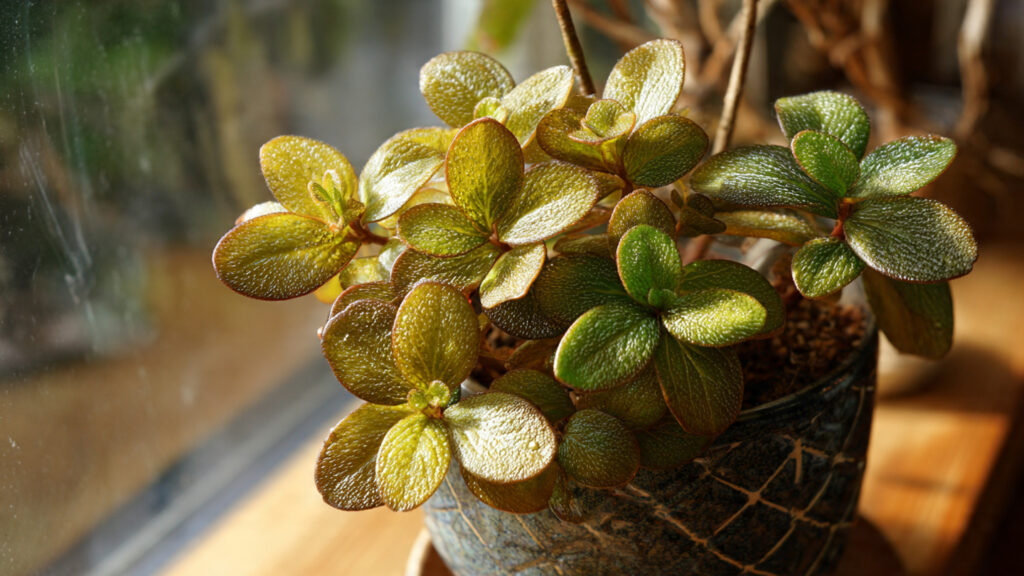
Fuzzy-leaf plants are some of the most charming houseplants you can grow. Their soft, velvety leaves feel almost like suede and give your indoor garden a cozy, unique texture. Popular fuzzy plants like African violets, lamb’s ear, panda plants, and certain begonias are loved for their beauty—but they come with one challenge:
Cleaning them is tricky.
Unlike smooth-leaf houseplants that can be wiped down with a damp cloth, fuzzy-leaf plants don’t respond well to water. Moisture trapped in their tiny hairs can cause spotting, rot, mold, or leaf damage.
So what’s the best way to keep them dust-free and healthy?
In this guide, you’ll learn exactly how to clean fuzzy leaf plants without water, using safe, simple methods that protect their delicate surfaces.
Why Fuzzy Leaf Plants Shouldn’t Be Washed with Water
Fuzzy leaves are covered in tiny hairs called trichomes. These hairs help plants:
- retain moisture
- protect against harsh sunlight
- repel pests
- reduce evaporation
But they also trap dust—and water.
When water sits on fuzzy leaves, it doesn’t evaporate quickly. Instead, it clings to the hairs and can lead to:
- brown spots
- leaf rot
- fungal growth
- mildew
- damaged texture
That’s why most fuzzy plants should never be misted or rinsed like other houseplants.
Common Fuzzy Leaf Houseplants That Need Special Care
If you own any of these, water-free cleaning is essential:
- African Violet
- Panda Plant (Kalanchoe tomentosa)
- Lamb’s Ear
- Velvet Begonia
- Gloxinia
- Spiderwort varieties
- Stachys species
- Some succulents with soft fuzz
These plants thrive when kept dry on the leaf surface.
Why Cleaning Fuzzy Leaves Matters
Dust may seem harmless, but it affects plant health more than many people realize.
Dust buildup can:
- block sunlight and reduce photosynthesis
- clog leaf pores (stomata)
- attract pests like spider mites
- make plants look dull and unhealthy
Keeping fuzzy leaves clean helps your plant grow stronger and look more vibrant.
Best Methods to Clean Fuzzy Leaf Plants Without Water
Let’s explore the safest and most effective dry-cleaning techniques.
➡️ How to Grow Malabar Spinach from Cuttings for Fast, Easy Greens
➡️ How to Grow Super Delicious Cabbage at Home Without a Garden
➡️ How to Grow Bean Sprouts at Home in Plastic Bottles Easily (Step‑by‑Step Guide)
➡️ Why is Your Lemon Tree Blooming in the Heart of Winter?
➡️ Why Should Your Garden Have a Dedicated Pollinator Highway?
➡️ Why Do Your Fruit Trees Need a Winter Wash to Thrive in Spring?
➡️ How Can Rice Water Transform Your Fruits into Sweeter Delights?
➡️ Jumpstart Your Winter Garden: Seed Starting Under Lights
1. Use a Soft Brush (Best Overall Method)
The easiest and safest way to clean fuzzy leaves is with a gentle brush.
Recommended Brushes:
- makeup brush (powder or blush brush)
- small paintbrush
- soft toothbrush (extra-soft only)
- camera lens brush
How to Do It:
- Support the leaf gently with one hand
- Brush dust off using light strokes
- Always brush in the direction of leaf growth
- Work slowly to avoid tearing leaves
This method is perfect for African violets and panda plants.
Tip: Brush weekly to prevent heavy buildup.
2. Use Compressed Air for Delicate Plants
For very fragile fuzzy plants, brushing may feel risky. In that case, compressed air works beautifully.
How to Use It Safely:
- Use short bursts, not continuous blasts
- Hold the can 8–12 inches away
- Angle airflow sideways, not directly down
- Use in a ventilated space
Compressed air removes dust without touching the leaves, making it great for sensitive plants like begonias.
3. Try a Hair Dryer on Cool Setting
A hair dryer can act like a gentle air duster.
Instructions:
- Set dryer to cool air only
- Use the lowest fan setting
- Hold it at least 12 inches away
- Blow dust off gently across the plant
Never use heat—it can scorch leaves quickly.
This method works best for medium-sized fuzzy plants with many leaves.
4. Use a Microfiber Cloth (Only for Semi-Fuzzy Leaves)
Some plants have slightly fuzzy leaves that are sturdier. In those cases, you can use a dry microfiber cloth.
Important Notes:
- Never rub hard
- Avoid pressing the fuzz flat
- Use only a clean, dry cloth
Gently dab instead of wiping to protect the leaf texture.
This works for thicker-leaved plants like lamb’s ear.
5. Remove Dust with a Soft Artist Sponge
A lesser-known trick is using a dry artist sponge or cosmetic sponge.
How:
- Lightly dab the sponge on dusty leaves
- Do not drag or scrub
- Use only on sturdy fuzzy plants
Sponges are great for plants with broad leaves that collect dust easily.
6. Prune the Most Damaged Leaves
Sometimes older fuzzy leaves become too dusty, stained, or damaged to clean properly.
In that case, the best solution is simple:
Remove them.
When to Prune:
- leaf is yellowing
- leaf has permanent spots
- fuzz is worn away
- dust is deeply embedded
Use sterilized scissors and trim at the base.
Pruning encourages fresh, healthy new growth.
7. Prevent Dust Buildup in the First Place
Cleaning is easier when you reduce dust around your plants.
Prevention Tips:
- Keep plants away from vents and fans
- Avoid placing them near dusty windows
- Clean nearby shelves regularly
- Group plants together to reduce airflow disturbance
You can also brush lightly once a week instead of waiting for heavy buildup.
What NOT to Do When Cleaning Fuzzy Plants
Some common cleaning habits can harm fuzzy leaves.
Avoid These Mistakes:
❌ Misting the leaves
❌ Rinsing under the sink
❌ Using leaf shine products
❌ Wiping with wet cloths
❌ Scrubbing with rough brushes
❌ Using oils or soap sprays
Fuzzy plants do not need glossy leaves—they need breathable, undamaged surfaces.
Special Cleaning Tips for African Violets
African violets are one of the most popular fuzzy houseplants, and they require extra care.
Best Method:
- Use a soft makeup brush weekly
- Avoid touching leaves too much
- Keep water only at soil level
Never let water sit in the crown (center), as this can cause rot.
How Often Should You Clean Fuzzy Leaf Plants?
The best schedule depends on your home environment.
General Guideline:
- Light dust: brush every 1–2 weeks
- Heavy dust homes: brush weekly
- Seasonal deep clean: once per month
Regular gentle cleaning is better than occasional heavy cleaning.
Benefits of Proper Cleaning
When fuzzy leaf plants stay clean, you’ll notice:
- brighter leaf color
- faster growth
- healthier blooms
- fewer pests
- improved indoor appearance
A dust-free plant is a thriving plant.
Conclusion
Fuzzy leaf plants may look delicate, but with the right care, they’re easy to maintain. The key is remembering one important rule:
Never clean fuzzy leaves with water.
Instead, use dry methods like:
- soft brushes
- compressed air
- cool hair dryer airflow
- gentle dabbing tools
- occasional pruning
With these techniques, your velvety houseplants will stay clean, healthy, and beautiful—without risking leaf damage or rot.
So the next time your African violet or panda plant starts looking dusty, skip the spray bottle and grab a soft brush instead.