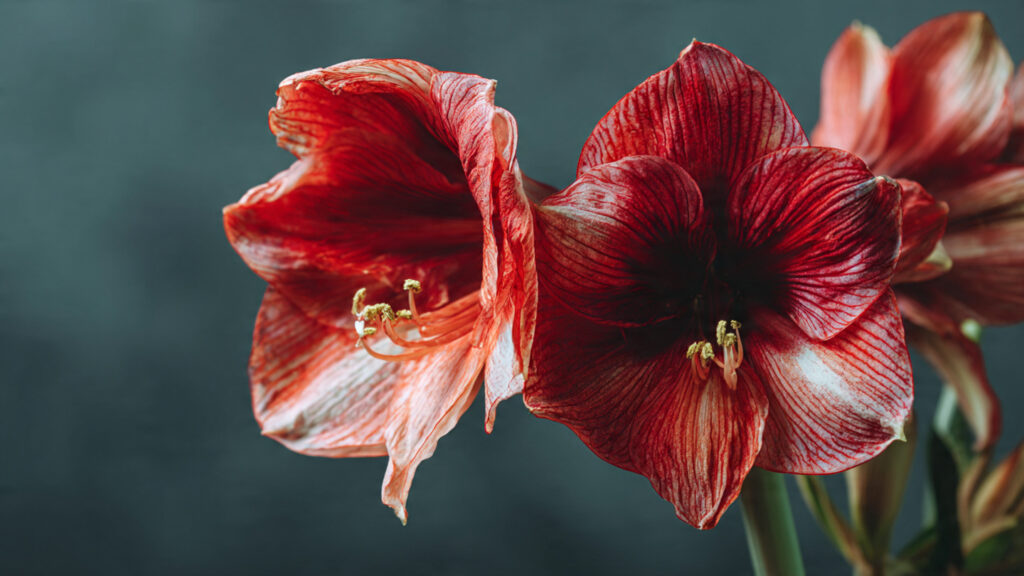
Few flowering plants deliver drama quite like the amaryllis. With its tall, elegant stems and enormous trumpet-shaped blooms, it transforms winter windowsills and holiday tables into vibrant displays of color. Most people enjoy their amaryllis for a single season—then toss it out once the flowers fade.
But here’s the simple secret: amaryllis will bloom every year if you respect its natural growth cycle and give it a proper rest period.
That’s it. The difference between a one-time show and reliable annual blooms comes down to understanding how this bulb stores energy, when it needs to grow, and when it needs to sleep.
Let’s break down exactly how to make your amaryllis bloom beautifully year after year.
Understanding Your Amaryllis
The plant commonly sold as amaryllis during the holidays is actually Hippeastrum, a tropical bulb native to Central and South America. It thrives in warm climates but adapts beautifully to indoor growing.
Unlike many spring bulbs that require cold winters, Hippeastrum stores energy in its large bulb and blooms after a deliberate rest period. That rest phase is the key to repeat flowering.
The bulb is essentially a battery. Each year, it must recharge before it can produce another spectacular bloom.
The Life Cycle: Growth, Recharge, Rest, Repeat
To ensure annual blooms, you need to support four essential stages:
- Flowering
- Leaf growth
- Energy storage
- Dormancy (rest period)
Most people stop caring for the plant after flowering, which prevents the bulb from rebuilding energy.
If you continue nurturing it properly, the bulb becomes stronger and produces even larger blooms in future years.
Stage 1: After the Flowers Fade
Once the blooms wilt, don’t discard the plant. Instead:
- Cut off the spent flowers.
- Leave the flower stalk intact until it yellows naturally.
- Allow leaves to continue growing.
The leaves are critical. They perform photosynthesis, converting sunlight into stored energy inside the bulb.
Think of this as the “recharging” phase.
Stage 2: Feed and Strengthen
During active leaf growth, feed your amaryllis every 2–4 weeks with a balanced liquid fertilizer.
Why? Because the bulb needs nutrients to rebuild reserves.
➡️ How to Grow Malabar Spinach from Cuttings for Fast, Easy Greens
➡️ How to Grow Super Delicious Cabbage at Home Without a Garden
➡️ How to Grow Bean Sprouts at Home in Plastic Bottles Easily (Step‑by‑Step Guide)
➡️ Why is Your Lemon Tree Blooming in the Heart of Winter?
➡️ Why Should Your Garden Have a Dedicated Pollinator Highway?
➡️ Why Do Your Fruit Trees Need a Winter Wash to Thrive in Spring?
➡️ How Can Rice Water Transform Your Fruits into Sweeter Delights?
➡️ Jumpstart Your Winter Garden: Seed Starting Under Lights
Place the plant in:
- Bright, indirect light
- A warm environment (18–24°C / 65–75°F)
- Consistent but not soggy moisture
Avoid overwatering. The soil should dry slightly between waterings.
Healthy leaves now mean better flowers later.
Stage 3: Let It Grow All Summer
Many gardeners make the mistake of treating amaryllis as a short-lived houseplant. In reality, summer growth determines next winter’s bloom quality.
You can:
- Keep it indoors in bright light
- Move it outdoors once frost danger passes
If placed outside, choose a semi-shaded spot. Protect it from heavy rain and direct scorching sun.
Continue feeding regularly throughout summer.
The larger and greener the leaves, the stronger the bulb becomes.
The Simple Secret: Inducing Dormancy
Here’s the most important step—and the one that guarantees repeat blooms.
Amaryllis must go through a rest period of 8–10 weeks.
In late summer or early fall:
- Stop fertilizing.
- Gradually reduce watering.
- Allow the leaves to yellow naturally.
- Once leaves dry, cut them back.
Then place the bulb (still in its pot) in a cool, dark location:
- Closet
- Basement
- Garage (above freezing)
Ideal dormancy temperature: 10–15°C (50–60°F).
Do not water during dormancy.
This rest period signals the bulb to prepare for flowering again.
Without this pause, the plant may produce leaves—but no blooms.
Stage 4: Restarting the Bloom Cycle
After 8–10 weeks of dormancy:
- Bring the pot back into warmth and bright light.
- Water lightly.
- Resume regular watering once growth begins.
Within a few weeks, you’ll notice a thick green shoot emerging. Often, this is the flower stalk.
It’s exciting every time—like watching a miracle unfold.
Why Dormancy Works
In nature, Hippeastrum experiences dry seasons. The bulb rests underground before reawakening when rains return.
By recreating this dry period, you mimic natural conditions.
This environmental cue triggers flower bud development inside the bulb.
No rest = no signal to bloom.
It’s beautifully simple biology.
Repotting for Long-Term Success
Amaryllis prefer slightly crowded conditions, but after a few years, repotting helps maintain vigor.
Repot every 2–3 years:
- Choose a pot only 1–2 inches wider than the bulb.
- Use well-draining potting mix.
- Keep the top third of the bulb above soil level.
Good drainage prevents rot, one of the biggest threats to amaryllis bulbs.
How to Encourage Bigger Blooms
Want even more dramatic flowers?
Focus on these factors:
1. Light
Brighter light during the growing season equals more stored energy.
2. Consistent Feeding
Balanced fertilizer supports bud formation.
3. Proper Dormancy Length
Don’t shorten the rest period.
4. Avoid Overwatering
Bulbs dislike sitting in soggy soil.
Large, mature bulbs can produce multiple flower stalks.
Common Mistakes That Prevent Reblooming
Even experienced gardeners sometimes miss a step.
Skipping Dormancy
Keeping the plant green year-round often results in foliage without flowers.
Cutting Leaves Too Early
Removing green leaves prematurely stops energy storage.
Overwatering During Rest
Moisture during dormancy can cause bulb rot.
Weak Light in Summer
Insufficient light limits stored carbohydrates.
Correcting these mistakes dramatically improves results.
Can You Time the Bloom?
Yes.
If you want blooms for a specific occasion—like holidays—count backward 10–12 weeks from your desired bloom date.
Start dormancy accordingly.
Amaryllis usually bloom 6–8 weeks after reawakening.
This makes them perfect for planned displays.
Outdoor Growing in Warm Climates
In frost-free zones, Hippeastrum can be grown outdoors year-round.
They still benefit from:
- A dry rest period
- Reduced watering
- Seasonal nutrient management
Natural seasonal shifts often provide adequate dormancy cues.
How Long Can an Amaryllis Live?
With proper care, amaryllis bulbs can bloom for decades.
Each year, they may produce offsets (baby bulbs), which can be separated and grown into new plants.
It’s not unusual for a well-maintained bulb to become a family heirloom.
Signs Your Bulb Is Healthy
A healthy amaryllis bulb should feel:
- Firm
- Heavy
- Free from soft spots
- Free from mold or odor
Large bulbs produce the most impressive blooms.
If the bulb shrinks significantly over time, it may need improved feeding or brighter light.
Patience and Observation
The beauty of amaryllis care lies in its rhythm.
You’re not forcing blooms. You’re cooperating with the plant’s natural cycle.
By observing leaf growth, adjusting care seasonally, and respecting dormancy, you create a predictable flowering pattern.
It becomes a yearly ritual rather than a one-time decoration.
Final Thoughts
The secret to making your amaryllis bloom every year isn’t complicated or expensive.
It’s simply this:
Let the bulb grow, feed it well, then give it a proper rest.
Support strong leaf growth through summer. Induce an 8–10 week dormancy in fall. Restart watering and warmth to awaken it.
When you follow this cycle, your amaryllis rewards you with spectacular blooms year after year—often larger and more impressive each season.
What many people treat as a disposable holiday plant is actually a long-lived perennial treasure.
With one simple seasonal secret, you can enjoy its bold, breathtaking flowers again and again.