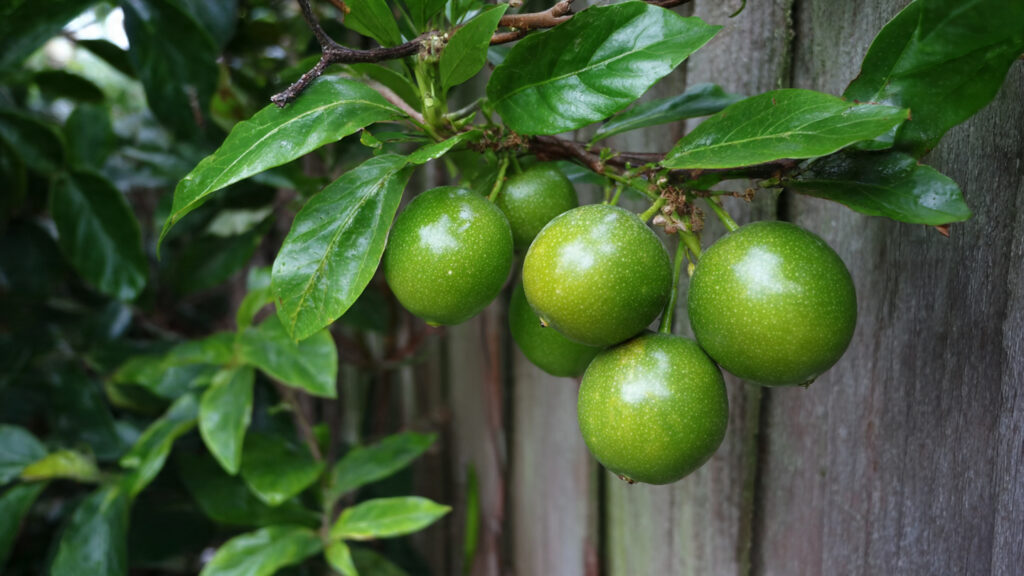
Passion fruit, with its vibrant aroma, tangy-sweet taste, and unique appearance, is more than just a tropical delight—it’s an exotic fruit that can transform your garden into a haven of color, fragrance, and health benefits. While many people assume that passion fruit requires expansive orchards or specialized trellises, the truth is that even a simple fence line can become a thriving passion fruit paradise. With careful planning, proper care, and a little bit of patience, you can enjoy a bounty of fresh passion fruits right from your backyard.
Why Passion Fruit Is Perfect for Fence Lines
One of the most attractive qualities of passion fruit is its climbing nature. The vine naturally seeks support to grow, making fences, walls, and trellises ideal growth structures. By planting passion fruit along a fence, you achieve several advantages:
- Space-saving: Vine crops like passion fruit can utilize vertical space, leaving your garden beds free for vegetables, flowers, or other crops.
- Ease of care: A fence makes pruning, watering, and harvesting much easier compared to sprawling on the ground.
- Aesthetic appeal: As passion fruit vines grow, they produce lush green foliage, beautiful flowers, and striking fruits, transforming a plain fence into a natural green wall.
- Natural barrier: The vine adds privacy and shade, enhancing the utility of your fence.
Selecting the Right Passion Fruit Variety
Choosing the right variety is crucial for fence-line cultivation. There are mainly two types of passion fruit:
- Purple passion fruit (Passiflora edulis): Known for its intense flavor and hardiness. It tolerates cooler climates and produces slightly smaller fruits.
- Yellow passion fruit (Passiflora edulis f. flavicarpa): Larger fruits with sweeter pulp, ideal for tropical climates and vigorous growth.
For a simple fence-line garden, consider the growth habits of each variety. Purple varieties are slightly less aggressive, while yellow varieties can quickly cover a fence but may require more frequent pruning.
Preparing Your Fence for Passion Fruit Growth
A sturdy fence is essential because passion fruit vines can become heavy as they mature. Follow these steps to ensure your fence is ready:
- Check strength and height: Ideally, the fence should be at least 6–8 feet tall. Wooden, metal, or chain-link fences work well.
- Add horizontal supports: String or wire horizontally across the fence every 1–2 feet. This gives the vine multiple points to grip and climb.
- Ensure sun exposure: Passion fruit thrives in full sun. Position your fence so the vine receives at least 6–8 hours of direct sunlight daily.
- Good drainage: Avoid planting too close to a wall or area where water may pool. Passion fruit prefers well-draining soil.
Planting Passion Fruit Along the Fence
- Select healthy seedlings or cuttings: Use disease-free nursery plants or propagate from cuttings of existing healthy vines.
- Spacing: Plant seedlings 3–4 feet apart along the fence to give them room to spread without overcrowding.
- Planting depth: Dig a hole slightly larger than the root ball, place the plant, and backfill with nutrient-rich soil.
- Watering: Water immediately after planting and keep the soil consistently moist (but not waterlogged) for the first few weeks.
Soil and Fertilizer Requirements
Passion fruit is a heavy feeder. For a fence-line garden, healthy soil and regular fertilization are key to strong growth and abundant fruiting:
- Soil type: Loamy soil with good organic content is ideal. Avoid heavy clay soils that retain water.
- pH level: Slightly acidic to neutral soil (pH 6–7) works best.
- Organic compost: Mix compost into the planting hole and topdress the soil around the plant periodically.
- Fertilization schedule: Use a balanced fertilizer (e.g., NPK 10:10:10) every 4–6 weeks. Once flowering begins, switch to a phosphorus-rich fertilizer to encourage fruiting.
Watering and Mulching Techniques
Consistent moisture is essential for fence-line passion fruit:
- Watering: Deeply water the vine 2–3 times per week in dry weather. Reduce frequency during the rainy season.
- Mulching: Apply a 2–3 inch layer of organic mulch around the base to conserve moisture, suppress weeds, and regulate soil temperature.
Training and Pruning Your Passion Fruit Vine
Proper vine training ensures maximum sunlight exposure, better air circulation, and higher fruit yields:
- Initial training: As the vine grows, gently tie young shoots to the horizontal wires of your fence.
- Pruning tips:
- Remove dead or diseased branches promptly.
- Cut back overly vigorous shoots to prevent overcrowding.
- Shape the vine to cover the fence evenly, but don’t allow it to become tangled.
- Fruit production: Passion fruit flowers on new growth. Regular pruning encourages fresh shoots, leading to more flowers and fruits.
Pest and Disease Management
Even in a simple fence-line setup, passion fruit is susceptible to pests and diseases. Watch for:
- Aphids and mealybugs: Spray with neem oil or insecticidal soap.
- Fruit flies: Harvest ripe fruit promptly and use traps if necessary.
- Fungal diseases: Ensure good air circulation and avoid overhead watering to prevent leaf spot or fusarium wilt.
- Regular inspection: Check leaves, stems, and fruit weekly for early signs of infestation or disease.
Flowering and Pollination
The beautiful, exotic passion flowers are more than just decorative—they are crucial for fruit production. Some tips to enhance flowering and pollination:
- Attract pollinators: Plant flowers nearby or create a small pollinator-friendly area to attract bees and butterflies.
- Hand pollination: In areas with few pollinators, use a soft brush to transfer pollen from one flower to another.
- Patience: It may take 6–12 months for young vines to flower, but once established, they can produce multiple harvests per year.
Harvesting and Enjoying Your Passion Fruit
Knowing when and how to harvest ensures the best flavor and prolonged productivity:
- Maturity signs: Fruits are ready when they have full color (purple or yellow, depending on the variety) and begin to wrinkle slightly.
- Harvesting: Gently twist or cut the fruit from the vine. Avoid pulling to prevent vine damage.
- Storage: Fresh passion fruits can be kept at room temperature for 5–7 days or refrigerated for up to 2 weeks.
Tips for Maximizing Yield on a Fence Line
- Rotate pruning: Alternate between sections of the fence to encourage continuous fruiting.
- Supplemental feeding: Foliar sprays of micronutrients (like magnesium or zinc) can boost flower production.
- Support heavy fruit clusters: If clusters grow too heavy, use string or soft ties to support them and prevent breakage.
- Regular monitoring: Fence-line plants are easier to manage—take advantage by checking vines weekly for growth, pests, and soil moisture.
Conclusion: Transforming Your Fence into a Fruitful Oasis
Growing exotic passion fruit on a simple fence line is both practical and rewarding. With minimal space, a bit of care, and proper planning, you can turn an ordinary fence into a lush, productive, and visually stunning garden feature. From selecting the right variety and preparing the soil to training the vine and harvesting the fruits, each step contributes to a thriving passion fruit vine that will delight your senses and provide a steady supply of fresh, tropical fruits.
Not only will you enjoy the delicious fruits, but your fence will also bloom with breathtaking passion flowers and become a haven for pollinators, adding life, color, and energy to your garden. Whether for fresh eating, juice, desserts, or homemade jams, fence-line passion fruit cultivation is a simple, sustainable, and rewarding way to grow exotic fruits right at home.