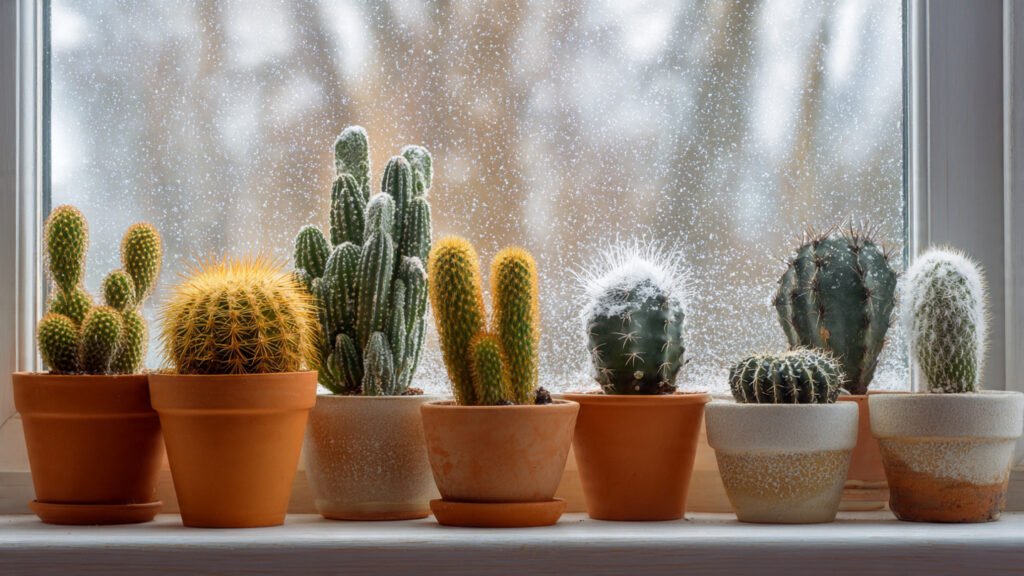
Cacti are some of the most resilient and low-maintenance plants you can have in your garden or home. Their ability to survive in harsh, dry environments makes them favorites for both indoor and outdoor gardeners. However, many cactus enthusiasts make a critical mistake every winter: overwatering. While it might seem counterintuitive to withhold water from a living plant, stopping or reducing watering during the colder months is essential for the health and longevity of your cactus. In this guide, we’ll explore why cacti need a winter rest, the dangers of overwatering, and how to care for them properly during the cold season.
Understanding the Winter Dormancy of Cacti
Cacti are adapted to desert climates where rainfall is seasonal. In their natural environment, most cacti enter a period of dormancy during the winter, when temperatures drop and sunlight is limited. Dormancy is a survival strategy: the plant slows down its metabolic processes, conserves energy, and reduces water intake naturally.
During this period:
- Growth nearly stops.
- The cactus focuses on maintaining its core structure and root health.
- Water absorption and nutrient uptake are minimal.
Mimicking these natural conditions in your home or garden is crucial. Providing water during winter can disrupt this dormancy and lead to serious health issues.
Why Overwatering in Winter Is Dangerous
Overwatering is the leading cause of cactus death, and it is particularly hazardous in winter. Unlike other plants, cacti are not designed to tolerate soggy soil. Here’s what happens when you water too much during the cold months:
- Root Rot: When soil is consistently wet, cactus roots can no longer breathe. This creates a perfect environment for fungi and bacteria, which attack the roots, causing rot. Root rot can spread quickly, often killing the entire plant.
- Stem Rot: Excess water can cause the cactus tissue itself to become soft and mushy. Once stem rot sets in, it is often irreversible.
- Stunted Growth: Watering during dormancy confuses the cactus. Instead of focusing on strengthening its root system, the plant may attempt growth it cannot support in cold, low-light conditions, leading to weak, unhealthy stems.
- Pest Infestation: Overwatered cacti are more susceptible to pests such as mealybugs and fungus gnats, which thrive in damp conditions.
Understanding these risks highlights why many cactus enthusiasts follow the “less is more” rule when it comes to winter watering.
How Cacti Survive Without Water in Winter
Cacti have evolved remarkable adaptations to withstand prolonged periods of drought. Their thick, fleshy stems store water efficiently, while their shallow but extensive root systems can absorb even minimal moisture from the soil or air. During winter dormancy, these water reserves are sufficient to sustain the plant.
Key survival features include:
- Water Storage: The fleshy tissues of the cactus act as reservoirs. Even without external watering, the plant can survive for months.
- Reduced Metabolism: Dormancy slows cellular activity, reducing the need for nutrients and water.
- Protective Coatings: The waxy cuticle covering cactus stems minimizes water loss, allowing the plant to endure dry conditions.
By stopping watering in winter, you allow the cactus to fully utilize these natural mechanisms, promoting strong growth in the following spring.
Signs Your Cactus Needs Water
While most cacti require little to no water in winter, there are exceptions, especially in unusually dry indoor environments. Knowing when your cactus needs water is critical:
- Wrinkling: If the cactus skin looks shriveled or wrinkled, it may be slightly dehydrated. A light watering can help.
- Extreme Dryness: In indoor settings with heated air or low humidity, soil may become excessively dry. Check by inserting a finger 1–2 inches into the soil.
- Pot Size and Soil Type: Small pots and fast-draining soil dry out quicker than larger, heavier pots.
Even in these cases, water sparingly—just enough to moisten the soil. Avoid saturating the root system.
How to Properly Care for Cacti in Winter
Maintaining healthy cacti in winter requires attention to environment and minimal intervention. Here are essential care tips:
1. Reduce Watering Drastically
- Indoors: Water once every 4–6 weeks if necessary.
- Outdoors: Skip watering entirely if rainfall is minimal but soil is still damp.
2. Maintain Cooler Temperatures
- Cacti thrive in cool conditions during dormancy. Keep indoor cacti in rooms that stay between 50–60°F (10–15°C). For outdoor cacti, protect them from frost using frost cloths or placing them in sheltered locations.
3. Increase Sunlight Exposure
- Winter days are shorter, and natural sunlight is limited. Position your cactus near south-facing windows for maximum light. Adequate light helps maintain the plant’s internal clock, signaling when to rest and when to grow.
4. Ensure Proper Drainage
- Soil should be completely dry before the next watering. Use pots with drainage holes and well-draining cactus soil. Avoid leaving the pot in standing water or saucers.
5. Avoid Fertilizing
- Fertilizing stimulates growth, which your cactus does not need in winter. Resume feeding in spring when the plant emerges from dormancy.
Common Mistakes to Avoid
Winter care for cacti is simple, but small mistakes can have big consequences. Avoid these pitfalls:
- Overwatering: Even experienced gardeners can be tempted to “pamper” their cactus. Resist the urge.
- Ignoring Temperature Drops: Exposure to frost or freezing temperatures can damage roots and stems, especially when combined with watering.
- Neglecting Drainage: Always ensure the pot or garden bed allows water to flow freely. Waterlogged soil is deadly.
- Moving Plants Too Frequently: Stress from frequent relocation can disturb the plant’s dormancy cycle.
By following these precautions, you give your cactus the best chance to survive winter and thrive in spring.
Benefits of Letting Your Cactus Rest in Winter
Allowing your cactus to experience a natural winter dormancy provides long-term benefits:
➡️ How to Grow Malabar Spinach from Cuttings for Fast, Easy Greens
➡️ How to Grow Super Delicious Cabbage at Home Without a Garden
➡️ How to Grow Bean Sprouts at Home in Plastic Bottles Easily (Step‑by‑Step Guide)
➡️ Why is Your Lemon Tree Blooming in the Heart of Winter?
➡️ Why Should Your Garden Have a Dedicated Pollinator Highway?
➡️ Why Do Your Fruit Trees Need a Winter Wash to Thrive in Spring?
➡️ How Can Rice Water Transform Your Fruits into Sweeter Delights?
➡️ Jumpstart Your Winter Garden: Seed Starting Under Lights
- Stronger Growth in Spring: Dormancy conserves energy, leading to robust stems, roots, and new offsets when growth resumes.
- Disease Prevention: Reduces the likelihood of root rot, fungal infections, and pests.
- Reduced Maintenance: Fewer watering sessions mean less effort and risk of mistakes.
- Longevity: Proper care increases the lifespan of your cactus, allowing it to thrive for decades.
Special Considerations for Indoor Cacti
Indoor cacti require particular attention in winter. Indoor heating can dry the air excessively, while windows may allow cold drafts. To maintain healthy indoor cacti:
- Use a humidity tray or occasionally mist nearby (not directly on the plant) if air is very dry.
- Ensure the cactus is not touching cold window panes at night.
- Keep pots away from radiators or heat vents, which can cause uneven drying.
With careful placement and minimal water, indoor cacti can thrive just as well as those in natural environments.
Conclusion
Stopping or drastically reducing watering for cacti during winter is not just a recommendation—it is essential for their survival and long-term health. Cacti are remarkable plants that have adapted to survive harsh, dry conditions. Overwatering during their dormant period can lead to root and stem rot, stunted growth, and pest infestations. By respecting their natural winter rest, providing cool temperatures, ensuring proper light, and maintaining well-draining soil, you can enjoy healthy, vibrant cacti year-round.
Remember, cacti are designed to thrive with minimal care. This winter, resist the temptation to water excessively. Let your cacti rest, conserve their energy, and prepare to bloom and grow beautifully when spring arrives. With patience and proper care, your cactus will reward you with strong stems, healthy roots, and decades of low-maintenance beauty.