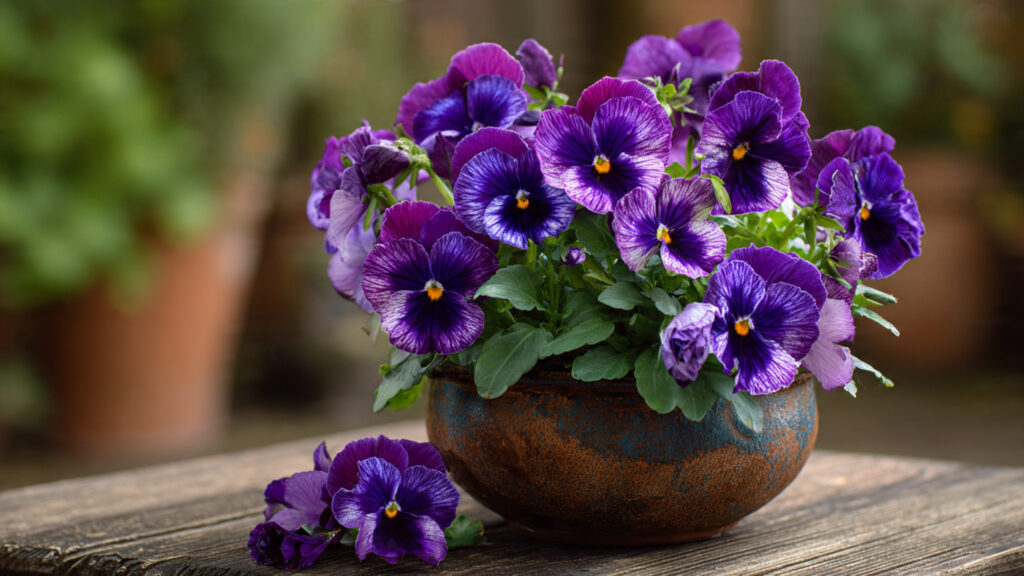
Pansies are beloved for their cheerful “faces,” rich colors, and ability to brighten up gardens, patios, and containers. Most gardeners grow pansies from seed or buy young plants in autumn, but there’s a lesser-known secret that can give you bigger, stronger, and more impressive blooms: growing pansies from summer cuttings.
Yes, you can multiply your favorite pansy varieties during summer and enjoy massive, vigorous plants when the cooler seasons arrive. The best part? It’s easier than you think.
Let’s explore exactly how you can grow huge pansies from summer cuttings with minimal effort and maximum success.
Why Take Summer Cuttings From Pansies?
Summer might seem like an odd time to propagate pansies, but it’s actually the perfect window.
Here’s why:
- Plants are actively growing, making cuttings root faster
- You can clone your healthiest and most colorful pansies
- Cuttings produce stronger plants than seedlings
- You’ll have mature pansies ready for autumn planting
- It saves money compared to buying new plants every season
Reality Check: Seed-grown pansies can vary in color and size, but cuttings give you identical copies of your best plants.
What Makes Cuttings Grow Into Massive Pansies?
The secret to huge pansy plants isn’t magic — it’s timing and technique.
When you take cuttings in summer, the plants have enough warmth to root quickly. Then, once the weather cools down, they focus their energy on producing lush foliage and oversized blooms.
That combination leads to:
- Bushier growth
- More flowering stems
- Larger blossoms
- Longer bloom periods
Best Time to Take Pansy Cuttings
The ideal period is:
Mid to Late Summer (July to August)
At this time:
- Pansies are still producing fresh shoots
- Stems are healthy but not too woody
- Rooting happens quickly in warm conditions
Avoid taking cuttings during extreme heat waves. Early morning is the best time for harvesting stems.
Step 1: Choose the Right Parent Plant
To grow massive pansies, start with the best possible parent plant.
Look for pansies that are:
- Blooming heavily
- Free from pests and disease
- Strong and bushy
- Producing thick stems
- Your favorite colors or patterns
Pro Tip: Cuttings from weak plants will always produce weak offspring.
➡️ How to Grow Malabar Spinach from Cuttings for Fast, Easy Greens
➡️ How to Grow Super Delicious Cabbage at Home Without a Garden
➡️ How to Grow Bean Sprouts at Home in Plastic Bottles Easily (Step‑by‑Step Guide)
➡️ Why is Your Lemon Tree Blooming in the Heart of Winter?
➡️ Why Should Your Garden Have a Dedicated Pollinator Highway?
➡️ Why Do Your Fruit Trees Need a Winter Wash to Thrive in Spring?
➡️ How Can Rice Water Transform Your Fruits into Sweeter Delights?
➡️ Jumpstart Your Winter Garden: Seed Starting Under Lights
Step 2: Gather Your Supplies
You don’t need fancy tools. Just a few basics:
- Clean scissors or pruning snips
- Small pots or seed trays
- Fresh potting mix (light and well-draining)
- Perlite or sand (optional but helpful)
- Rooting hormone powder (optional)
- Clear plastic bag or humidity dome
- Spray bottle for misting
Step 3: How to Take the Perfect Cutting
Follow these steps carefully:
1. Select a non-flowering shoot
Choose a young green stem that hasn’t started blooming yet.
2. Cut 3–4 inches long
Make the cut just below a leaf node (where leaves emerge).
3. Remove lower leaves
Strip leaves from the bottom half of the cutting so it won’t rot in soil.
4. Keep the top leaves
Leave 2–3 small leaves at the top to continue photosynthesis.
Reality Check: Flowers drain energy. Always remove buds or blooms from cuttings.
Step 4: Rooting Your Pansy Cuttings
Now comes the fun part — helping them develop roots.
Best Soil Mix
Use a light mix such as:
- 50% potting soil
- 50% perlite or sand
This prevents waterlogging and encourages root growth.
Planting the Cutting
- Make a small hole in the soil
- Insert the cutting about 1–1.5 inches deep
- Press soil gently around it
Optional: Dip the stem in rooting hormone before planting for faster results.
Step 5: Provide the Right Summer Conditions
Cuttings need warmth and humidity — but not harsh sun.
Light
Place pots in bright shade or filtered sunlight.
Too much direct sun can wilt them instantly.
Humidity
Cover the pot with:
- A clear plastic bag
- A mini greenhouse lid
- A humidity dome
This traps moisture and prevents drying out.
Water
Mist lightly every day. Keep soil moist but never soggy.
Pro Tip: Overwatering is the #1 reason cuttings fail.
Step 6: How Long Do Pansy Cuttings Take to Root?
Most pansy cuttings root in:
2 to 4 weeks
You’ll know roots have formed when:
- The cutting stays upright without support
- New leaves begin growing
- You feel resistance when tugging gently
Once rooted, remove the plastic cover gradually over a few days.
Step 7: Potting Up for Bigger Plants
To grow truly massive pansies, don’t leave them cramped.
Once rooted:
- Transfer each cutting into its own pot
- Use nutrient-rich compost
- Pinch the growing tips to encourage branching
Pinching = Bushiness
When the plant reaches 4–5 inches tall, pinch the top leaves off.
This forces the plant to grow sideways instead of tall and leggy.
Result?
More stems = more blooms.
Step 8: Feeding for Giant Blooms
Pansies are hungry plants once established.
Feed them every 2–3 weeks with:
- Balanced liquid fertilizer
- Compost tea
- Flower-boosting feed (low nitrogen, higher phosphorus)
Avoid heavy nitrogen fertilizers — they create leaves but fewer flowers.
Reality Check: The biggest blooms come from steady, gentle feeding, not over-fertilizing.
Step 9: Preparing Cuttings for Autumn Planting
By early autumn, your summer cuttings will be strong young plants.
Now you can:
- Plant them into garden beds
- Move them into hanging baskets
- Arrange them in patio containers
Cooler weather triggers explosive flowering.
Your propagated pansies will often outperform store-bought ones because they’re already mature and well-rooted.
Common Mistakes to Avoid
Even though pansy cuttings are easy, a few errors can slow success.
1. Taking cuttings from flowering stems
Always choose vegetative shoots.
2. Too much sun
Cuttings wilt quickly in direct summer heat.
3. Overwatering
Moist is good. Soggy is deadly.
4. Skipping pinching
Pinching is essential for huge, bushy plants.
5. Not hardening off
Gradually introduce rooted cuttings to outdoor conditions.
Why Summer Cuttings Are the Best Shortcut to Stunning Pansies
Growing pansies from summer cuttings gives you:
- Stronger roots
- Faster growth
- Identical copies of your best plants
- Massive blooms in autumn and winter
- More flowers for less money
It’s one of the easiest propagation tricks that many gardeners overlook — but once you try it, you’ll never go back to buying pansies every year.
Conclusion: Massive Pansies Are Easier Than You Think
So, how can you grow massive pansies from summer cuttings with ease?
It all comes down to:
- Choosing healthy parent plants
- Taking soft summer shoots
- Rooting them in light soil
- Keeping humidity high
- Pinching for bushiness
- Feeding gently for oversized blooms
With just a few pots and a little care, you can create a stunning display of pansies that will bloom bigger, longer, and more beautifully than ever.
Your balcony, garden, or patio will be overflowing with vibrant color — all from a simple summer cutting.