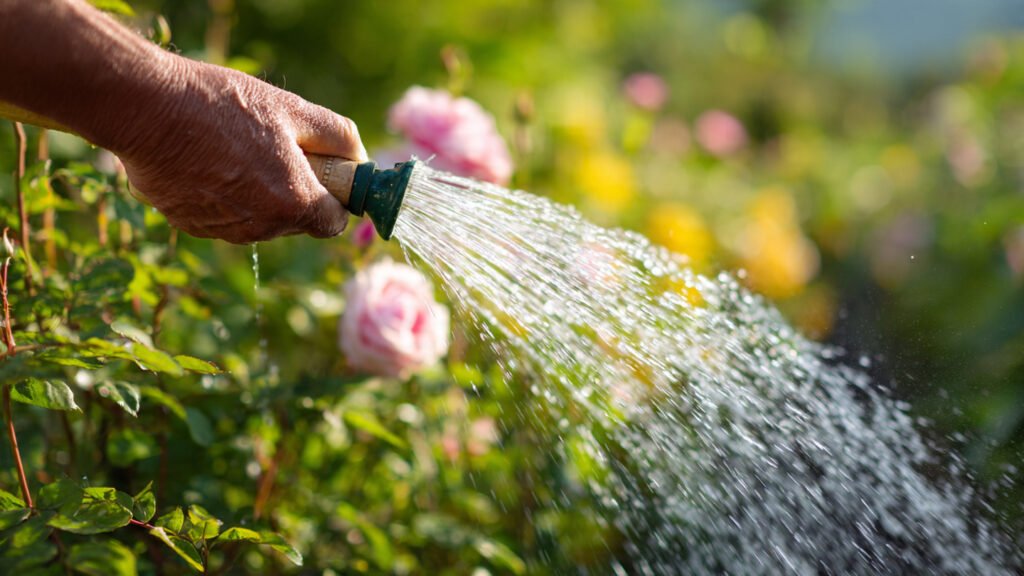
Every gardener knows the uneasy feeling that creeps in before leaving for a vacation: Who will water the plants? Whether you grow vegetables, flowers, herbs, or ornamental shrubs, a few hot days without moisture can undo months of effort. Wilting leaves, cracked soil, and stressed roots are not the welcome-home sight anyone wants.
Fortunately, there’s a simple, reliable trick that can keep your garden hydrated while you’re away — and it doesn’t require expensive irrigation systems or daily help from neighbors. With a little preparation and smart moisture management, your garden can thrive even when you’re not there.
Let’s explore how to do it effectively.
The Simple Trick: Slow, Deep Watering with DIY Drip or Bottle Irrigation
The secret to keeping your garden hydrated during vacation is slow-release watering. Instead of soaking plants quickly and hoping for the best, you provide a steady, gradual supply of moisture that mimics natural rainfall and encourages deep root absorption.
One of the easiest and most affordable ways to achieve this is through DIY bottle irrigation or simple drip setups.
Why Slow Watering Works Better Than Heavy Soaking
Many gardeners make the mistake of giving plants a heavy watering right before leaving. While this may temporarily saturate the surface soil, much of that water evaporates quickly — especially in hot climates.
Slow-release watering works better because:
- Water penetrates deeply into the root zone.
- Moisture is released gradually over time.
- Soil stays consistently damp rather than cycling between soggy and dry.
- Plants experience less stress.
Deep, consistent hydration strengthens roots and improves resilience during warm days.
Method 1: The Inverted Bottle Trick
This is the simplest solution for small gardens, raised beds, or container plants.
What You Need:
- Plastic bottles (1–2 liter size works well)
- A small nail or pin
- Water
How It Works:
- Poke one or two tiny holes near the cap.
- Fill the bottle with water.
- Screw the cap back on.
- Bury the bottle upside down in the soil near the plant roots.
As soil dries, water slowly seeps out, keeping the surrounding area moist. The smaller the holes, the slower the release.
This method is especially useful for:
- Tomatoes
- Peppers
- Cucumbers
- Container plants
- Newly transplanted seedlings
It’s inexpensive, easy to set up, and surprisingly effective for short vacations.
Method 2: Basic Drip Irrigation with a Timer
If you’re away for more than a few days, installing a simple drip irrigation system with a timer is even more reliable.
Drip irrigation delivers water directly to plant roots through tubing and emitters. When paired with a battery-powered timer, it can run automatically at scheduled intervals.
Benefits include:
➡️ How to Grow Malabar Spinach from Cuttings for Fast, Easy Greens
➡️ How to Grow Super Delicious Cabbage at Home Without a Garden
➡️ How to Grow Bean Sprouts at Home in Plastic Bottles Easily (Step‑by‑Step Guide)
➡️ Why is Your Lemon Tree Blooming in the Heart of Winter?
➡️ Why Should Your Garden Have a Dedicated Pollinator Highway?
➡️ Why Do Your Fruit Trees Need a Winter Wash to Thrive in Spring?
➡️ How Can Rice Water Transform Your Fruits into Sweeter Delights?
➡️ Jumpstart Your Winter Garden: Seed Starting Under Lights
- Minimal water waste
- Reduced evaporation
- Targeted hydration
- Adjustable frequency
Set the timer to water early in the morning when evaporation rates are lowest.
Even a basic system can protect vegetable beds and flower borders for weeks.
Strengthen Soil Before You Leave
Irrigation alone isn’t enough. Soil preparation dramatically affects how long moisture lasts.
Add Organic Matter
Mix compost into your soil before leaving. Organic matter improves water retention by increasing soil structure and sponge-like capacity.
Healthy soil holds moisture longer and releases it gradually to plant roots.
Mulch: The Real Vacation Hero
If there’s one companion trick to slow watering, it’s mulching.
A 2–3 inch layer of mulch can:
- Reduce evaporation
- Moderate soil temperature
- Suppress weeds
- Protect surface roots
Use materials like:
- Straw
- Shredded leaves
- Bark chips
- Grass clippings (dried)
Mulch acts as insulation, locking moisture in while shielding soil from direct sun exposure.
With mulch in place, even simple watering methods last much longer.
Group Plants Strategically
Before leaving, reorganize container plants if possible.
- Move pots closer together to create a humid microclimate.
- Place them in partial shade.
- Position delicate plants away from harsh afternoon sun.
Grouping reduces moisture loss and protects plants from drying winds.
Shade Cloth for Extra Protection
If you’re traveling during peak summer heat, consider installing temporary shade cloth over sensitive plants.
Reducing direct sunlight:
- Lowers evaporation
- Reduces plant stress
- Extends soil moisture lifespan
Even a lightweight cloth suspended above plants can make a noticeable difference.
Water Deeply Before Departure
Regardless of the system you choose, always give your garden a thorough, deep watering the day before leaving.
Water slowly and intentionally. Ensure moisture penetrates several inches into the soil.
Deep watering:
- Encourages roots to grow downward.
- Makes plants more drought-tolerant.
- Provides a strong moisture reserve.
Avoid shallow sprinkling, which only wets the surface.
Adjust Expectations by Plant Type
Different plants have different hydration needs.
Drought-Tolerant Plants
Herbs like rosemary and thyme can tolerate longer dry spells.
Vegetable Crops
Tomatoes, cucumbers, and leafy greens require consistent moisture.
Container Plants
These dry out faster than ground-planted crops and need extra attention.
Focus your irrigation efforts where they matter most.
Reduce Stress Before Leaving
Prune excessive foliage before vacation. Removing some leaves reduces water demand and limits stress.
Harvest ripe vegetables before leaving as well. Heavy fruit load increases water consumption.
The goal is to reduce the plant’s overall strain while you’re away.
Consider Self-Watering Containers
For container gardens, self-watering pots are highly effective. These containers have built-in reservoirs that allow plants to absorb water from below as needed.
If you garden primarily in pots, investing in these containers provides long-term convenience, not just vacation security.
Avoid Overwatering
While dehydration is a concern, overwatering can be equally damaging.
Saturated soil:
- Reduces oxygen to roots
- Promotes fungal growth
- Causes root rot
Test soil moisture before adding more water. Aim for damp, not waterlogged, conditions.
Test Your System Before Traveling
Never install a watering method the day you leave without testing it.
Set it up several days in advance and monitor:
- Water release rate
- Soil moisture consistency
- Coverage area
Adjust hole sizes or timer settings if needed.
Testing eliminates surprises while you’re away.
Enlist Backup for Longer Trips
If you’re traveling for more than two weeks, combine automated watering with occasional help from a neighbor or friend.
Provide simple instructions:
- Check soil moisture.
- Refill reservoirs if needed.
- Look for obvious stress signs.
Even minimal supervision can prevent small problems from escalating.
The Psychological Benefit
Knowing your garden is protected allows you to relax and enjoy your vacation. Gardening is meant to bring joy — not anxiety.
Preparation transforms travel from worry into confidence.
With the right setup, your plants can remain lush and productive until you return.
What to Expect When You Get Back
Even with preparation, some minor stress may occur.
Upon returning:
- Inspect leaves for wilting or discoloration.
- Resume normal watering gradually.
- Remove any damaged foliage.
- Add a light feeding if needed.
Plants are resilient. With consistent hydration systems in place, recovery is usually quick and complete.
Final Thoughts
Keeping your garden hydrated while on vacation doesn’t require complicated technology or expensive solutions. The simple trick of slow-release watering — whether through inverted bottles, drip irrigation, or self-watering containers — ensures steady moisture and minimal stress.
Pair it with mulch, deep watering, and thoughtful plant placement, and your garden will stay healthy even in your absence.