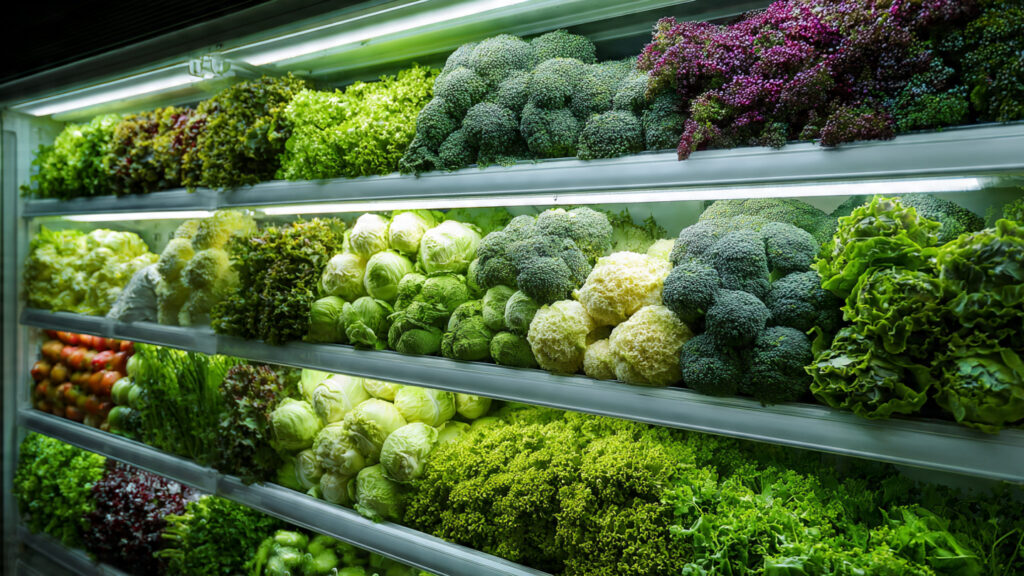
After months of careful planting, nurturing, and harvesting, the last thing a gardener wants is for their hard-earned fruits and vegetables to spoil quickly. Preserving the freshness of your harvest is both an art and a science. Proper storage methods can extend shelf life, maintain flavor and nutrition, and minimize waste. Whether you’ve grown tomatoes, apples, carrots, or leafy greens, understanding the best techniques for storing your produce ensures that your garden’s bounty can be enjoyed for months. Here’s how you can keep your harvest fresh with the most effective storage methods.
1. Start With Quality Produce
The first step in preserving freshness begins even before storage. Only high-quality, ripe, and undamaged produce will store well for extended periods.
- Harvest at the Right Time: Pick fruits and vegetables when they are mature but not overripe. For example, apples are best picked just as they reach full color, while root vegetables like carrots are harvested when they are firm and fully sized.
- Handle Gently: Bruises, cuts, and cracks can speed up spoilage. Always handle your harvest carefully to avoid damage.
- Remove Soil and Debris: Gently brush off excess dirt, but avoid washing items like potatoes or carrots until just before use. Excess moisture can encourage rot during storage.
Starting with healthy, undamaged produce maximizes the effectiveness of any storage method.
2. Understand Ideal Storage Conditions
Different fruits and vegetables have different storage requirements, and knowing these is key to keeping your harvest fresh.
- Temperature: Most vegetables last longer in cool conditions, usually between 32–50°F (0–10°C), while many fruits like bananas and tropical produce prefer slightly warmer temperatures.
- Humidity: High humidity prevents leafy greens and root vegetables from drying out, while low humidity is better for onions, garlic, and winter squash to avoid mold.
- Light Exposure: Most produce lasts longer in darkness. Direct sunlight can trigger ripening and reduce shelf life.
Creating the right environment tailored to each type of produce ensures maximum longevity and flavor retention.
3. Use Refrigeration Wisely
The refrigerator is one of the most effective tools for extending the shelf life of many fruits and vegetables, but it’s not one-size-fits-all.
- Leafy Greens: Keep lettuce, spinach, and herbs fresh by wrapping them in a damp paper towel and storing them in perforated plastic bags.
- Fruits: Apples, grapes, and berries store well in the crisper drawer, ideally separated from vegetables to reduce ethylene gas exposure that accelerates ripening.
- Root Vegetables: Carrots, beets, and radishes can be stored in the refrigerator after trimming greens and placing them in plastic bags to retain moisture.
Proper refrigeration can double or triple the storage life of many common garden crops.
4. Consider Freezing for Long-Term Storage
For harvests that won’t be consumed quickly, freezing is a reliable long-term method. Many vegetables and fruits retain their nutritional value and flavor when frozen correctly.
- Blanching Vegetables: Briefly boil vegetables like beans, broccoli, and peas, then plunge them into ice water to stop enzyme activity. This preserves color, texture, and flavor.
- Freezing Fruits: Wash and slice fruits like berries, peaches, or mangoes, spread them on a tray to freeze individually, then transfer to freezer bags for easy portioning.
- Avoid Overcrowding: Store items in single layers initially to prevent clumping, ensuring easier thawing and better quality.
Freezing allows you to enjoy seasonal produce year-round, making it an essential strategy for preserving a large harvest.
5. Explore Drying and Dehydration
Drying is a traditional method that removes moisture to slow spoilage and can be done with minimal equipment.
- Air-Drying: Herbs like thyme, oregano, and rosemary can be tied in bundles and hung in a dry, well-ventilated space.
- Oven or Dehydrator: Fruits like apples, pears, and tomatoes can be sliced thin and dehydrated for long-term storage.
- Storage: Once dried, store produce in airtight containers in a cool, dark place. Dried items can last months without losing flavor.
Dehydrating is especially useful for herbs, mushrooms, and fruits, providing a concentrated flavor for cooking or snacking.
6. Root Cellaring: Nature’s Storage
Root cellaring is a traditional technique that uses cool, humid, and dark spaces to store crops for months without electricity.
- Ideal Crops: Carrots, beets, potatoes, turnips, and cabbage thrive in root cellars.
- Conditions: Keep temperatures around 32–40°F (0–4°C) with high humidity, typically 85–95%. Avoid freezing or overly damp areas to prevent spoilage.
- Storage Tips: Store produce in bins of sand, sawdust, or shredded leaves to maintain moisture and reduce contact between items.
Root cellaring is an energy-efficient way to preserve large quantities of harvests, especially for winter vegetables.
7. Pickling and Fermentation
Preserving harvest through pickling or fermentation not only extends shelf life but also creates flavorful, nutrient-rich foods.
- Pickling: Cucumbers, carrots, radishes, and peppers can be stored in vinegar or brine for months. Pickles retain their crunch and flavor while offering an added probiotic benefit if fermented.
- Fermentation: Sauerkraut, kimchi, and fermented peppers are stored at cool room temperature or refrigerated to slow the fermentation once the desired taste is achieved.
- Safety Tips: Always use clean jars and utensils to prevent contamination and spoilage.
Pickling and fermenting are creative ways to enjoy your harvest long after the garden season ends.
➡️ How to Grow Malabar Spinach from Cuttings for Fast, Easy Greens
➡️ How to Grow Super Delicious Cabbage at Home Without a Garden
➡️ How to Grow Bean Sprouts at Home in Plastic Bottles Easily (Step‑by‑Step Guide)
➡️ Why is Your Lemon Tree Blooming in the Heart of Winter?
➡️ Why Should Your Garden Have a Dedicated Pollinator Highway?
➡️ Why Do Your Fruit Trees Need a Winter Wash to Thrive in Spring?
➡️ How Can Rice Water Transform Your Fruits into Sweeter Delights?
➡️ Jumpstart Your Winter Garden: Seed Starting Under Lights
8. Proper Labeling and Rotation
Even with the best storage methods, keeping track of your harvest is essential to prevent waste.
- Label Containers: Include the date of storage and type of produce to monitor freshness.
- First In, First Out: Use older items first to ensure nothing is forgotten and goes bad.
- Regular Inspection: Check stored items periodically for signs of spoilage and remove any affected produce immediately.
Organized storage ensures that your harvest remains usable and safe for as long as possible.
9. Avoid Common Storage Mistakes
Even experienced gardeners sometimes make errors that shorten the life of their harvest.
- Mixing Produce Types: Fruits like apples and bananas emit ethylene gas, which accelerates ripening and can spoil nearby vegetables.
- Excess Moisture: Wet storage areas can cause mold and rot. Always dry produce thoroughly before storage.
- Ignoring Temperature Needs: Storing tomatoes or squash in the fridge can reduce flavor and texture, while cold-sensitive fruits may freeze in too-cold environments.
Awareness of these pitfalls allows you to maximize the effectiveness of your storage methods.
Final Thoughts
Keeping your harvest fresh for months isn’t just about prolonging shelf life—it’s about preserving flavor, nutrition, and the joy of homegrown produce. By combining proper handling, understanding storage conditions, and using techniques like refrigeration, freezing, drying, root cellaring, and pickling, gardeners can enjoy their bounty long after the last plant has been harvested.
Whether you’re storing delicate berries, hearty root vegetables, or versatile greens, applying the right storage methods ensures that every bite of your harvest remains as fresh and delicious as the day it was picked. With a little planning, preparation, and care, you can savor the fruits—and vegetables—of your labor for months to come.