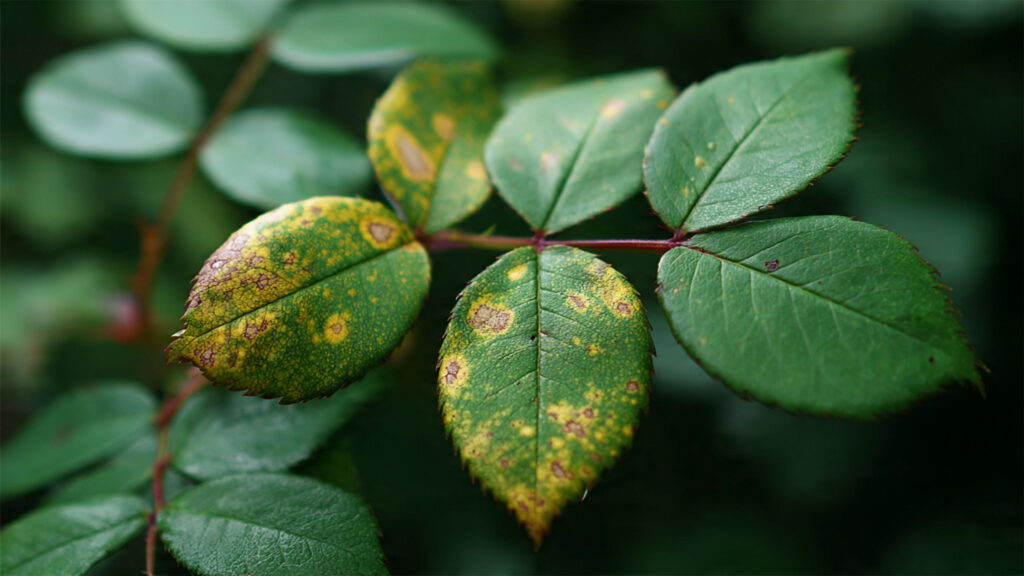
Roses are often called the “queen of flowers,” and it’s easy to see why. Their vibrant blooms, intoxicating fragrance, and elegant presence make them a favorite in gardens worldwide. However, these majestic plants come with their own set of challenges, the most common and persistent of which is black spot disease. If you’ve noticed black spots appearing on your rose leaves, you know how frustrating it can be. Fortunately, there are natural ways to protect your rose leaves and keep your plants healthy and thriving. Let’s explore practical strategies that work without relying on harsh chemicals.
Understanding Black Spot Disease
Before we dive into prevention methods, it’s important to understand what black spot is. Black spot, caused by the fungus Diplocarpon rosae, manifests as small, black, circular spots on the leaves of rose plants. The spots often have fringed edges, and over time, the leaves may turn yellow and fall prematurely. This not only affects the plant’s appearance but can also weaken the rose, making it more susceptible to other diseases and pests.
Black spot thrives in moist and humid conditions, which is why it’s particularly problematic during rainy seasons or in areas with poor air circulation. Knowing this helps us focus on strategies that reduce moisture retention and strengthen the plant’s natural defenses.
Choose Resistant Varieties
One of the most effective natural approaches to preventing black spot is to start with resistant rose varieties. Plant breeders have developed many types of roses that are less susceptible to this fungal disease. Some examples include:
- Knock Out® roses – Known for their disease resistance and continuous blooms.
- Carefree Beauty® roses – Require minimal maintenance and show strong resistance to black spot.
- Home Run® roses – A hardy option for gardeners seeking low-maintenance, resilient plants.
By selecting these varieties, you reduce the likelihood of infection from the start. Even if black spot appears, it usually has a milder impact.
Proper Planting and Spacing
Air circulation is critical in preventing fungal diseases. Roses planted too close together create a humid microclimate around their leaves, which encourages fungal growth. To naturally protect your roses:
- Space your plants adequately: Follow recommended spacing for each rose variety, usually 2–3 feet apart for shrubs and 3–5 feet for larger hybrids.
- Prune regularly: Removing crowded or dead branches allows sunlight and air to reach all parts of the plant.
- Avoid overhead watering: Water at the base of the plant to keep leaves dry, which reduces the chances of spores germinating.
Good cultural practices, like correct spacing and pruning, create an environment that’s less inviting for black spot spores.
Use Organic Mulches
Mulching is a simple but highly effective way to protect roses naturally. Organic mulches, such as shredded bark, compost, or straw, provide several benefits:
- Prevent soil splash: Black spot spores often live in the soil and splash onto leaves during rainfall or watering. Mulch acts as a barrier.
- Retain moisture: Mulch keeps soil evenly moist, reducing stress on the plant.
- Suppress weeds: Healthy, stress-free roses are more resistant to disease.
Apply a 2–3 inch layer of organic mulch around the base of your rose bushes, taking care to keep it slightly away from the stems to prevent rot.
Natural Fungicidal Sprays
For gardeners seeking active protection without chemicals, several natural fungicides can help prevent and manage black spot. Here are some of the most effective options:
1. Baking Soda Spray
A classic and simple remedy, baking soda changes the pH on the leaf surface, creating an environment unfavorable to fungal growth.
Recipe:
- 1 tablespoon baking soda
- 1 teaspoon mild liquid soap (like castile soap)
- 1 quart of water
Spray thoroughly on the leaves every 7–14 days, especially after rain. Avoid spraying in direct sunlight, as the solution may burn leaves.
2. Neem Oil
Extracted from the seeds of the neem tree, neem oil is a natural antifungal and insect repellent.
Usage:
➡️ How to Grow Malabar Spinach from Cuttings for Fast, Easy Greens
➡️ How to Grow Super Delicious Cabbage at Home Without a Garden
➡️ How to Grow Bean Sprouts at Home in Plastic Bottles Easily (Step‑by‑Step Guide)
➡️ Why is Your Lemon Tree Blooming in the Heart of Winter?
➡️ Why Should Your Garden Have a Dedicated Pollinator Highway?
➡️ Why Do Your Fruit Trees Need a Winter Wash to Thrive in Spring?
➡️ How Can Rice Water Transform Your Fruits into Sweeter Delights?
➡️ Jumpstart Your Winter Garden: Seed Starting Under Lights
- Mix 2 tablespoons of neem oil with 1 gallon of water.
- Spray the leaves thoroughly, including the undersides.
- Repeat every 7–14 days as a preventative measure.
Neem oil is particularly effective because it also discourages pests like aphids, which can stress the plant and make it more susceptible to disease.
3. Compost Tea
Well-brewed compost tea is rich in beneficial microorganisms that outcompete harmful fungi on leaf surfaces.
Application:
- Brew compost tea for 24–48 hours using aerated water and mature compost.
- Spray directly onto leaves every 1–2 weeks during the growing season.
This method not only protects against black spot but also nourishes the plant naturally.
Remove and Dispose of Infected Leaves
Even with preventive measures, some black spot may appear. The key is early intervention:
- Remove infected leaves as soon as they appear.
- Dispose of them in the trash, not the compost pile, to avoid spreading spores.
- Sterilize pruning tools with rubbing alcohol or a 10% bleach solution to prevent cross-contamination.
Consistency is crucial. Leaving infected leaves on the plant allows spores to multiply and infect new growth.
Maintain Plant Health
A strong, healthy plant naturally resists disease better than a stressed one. Consider these holistic approaches:
- Fertilize properly: Use a balanced, organic fertilizer to promote strong growth. Avoid excessive nitrogen, which encourages soft, vulnerable leaves.
- Water deeply but infrequently: Deep watering encourages a strong root system while keeping leaves dry.
- Monitor closely: Regularly inspect your plants for early signs of disease, pests, or nutrient deficiencies.
Healthy roses with sturdy leaves are far less likely to suffer serious black spot infections.
Encourage Beneficial Insects
Some insects, like ladybugs and lacewings, indirectly help prevent fungal diseases by keeping pest populations under control. Pests such as aphids and spider mites can stress roses, making them more susceptible to black spot. Planting companion plants like marigolds, garlic, or chives can attract these beneficial insects and improve overall plant resilience.
Practice Seasonal Clean-Up
At the end of the growing season, it’s essential to clean up your rose beds:
- Remove fallen leaves and plant debris.
- Prune old, diseased canes.
- Apply a thin layer of compost or organic mulch to prepare the plant for winter.
This reduces the overwintering sites for black spot spores and gives your roses a fresh start in spring.
Patience and Consistency
Naturally protecting roses from black spot requires patience and consistency. Unlike chemical treatments that act immediately, natural methods work over time to strengthen plants and reduce environmental conditions favorable to disease. By combining resistant varieties, proper planting, organic sprays, good sanitation, and overall plant care, you create a sustainable system that keeps your roses healthy year after year.
Conclusion
Black spot doesn’t have to spell doom for your roses. With thoughtful, natural care, you can minimize infections and enjoy lush, vibrant blooms throughout the season. Start by selecting resistant varieties, ensuring proper air circulation, and maintaining plant health. Complement these efforts with organic mulches, natural sprays, and careful sanitation. Over time, your rose garden will become a thriving, disease-resistant sanctuary—free from the worry of unsightly black spots.
Remember, roses reward the gardener who treats them with patience, attention, and a touch of natural care. By embracing these organic practices, you’re not only protecting your plants but also creating a safer, eco-friendly garden environment for all your flowers, insects, and family to enjoy.