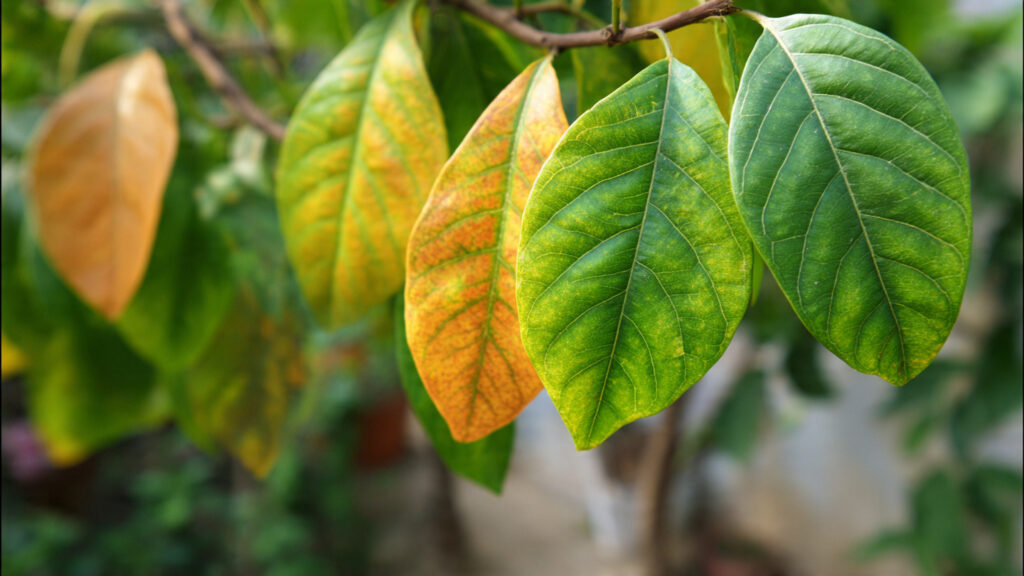
Healthy leaves are the clearest window into your plant’s overall condition. Whether you’re growing vegetables, ornamentals, fruit trees, or houseplants, the foliage often tells the story long before serious damage occurs. Learning how to read those signals can save your harvest, protect your landscape, and dramatically improve plant performance.
But how exactly can you spot nutrient deficiencies in your leaves effectively — and with confidence?
The answer lies in understanding patterns, color changes, leaf age, and how different nutrients behave inside plants. Once you recognize these clues, diagnosing problems becomes far easier and more accurate.
Why Leaves Reveal Nutrient Problems First
Leaves are the plant’s energy factories. Through photosynthesis, they convert sunlight into sugars that fuel growth. Because of this central role, they are highly sensitive to imbalances in essential nutrients.
When a plant lacks key elements, leaf tissues change color, shape, or structure. These visual symptoms are not random — they follow predictable patterns depending on which nutrient is missing.
Understanding these patterns is the key to effective diagnosis.
Step 1: Observe Where Symptoms Appear
One of the most important diagnostic tools is noticing whether symptoms show up on older leaves or new growth first.
Some nutrients are mobile within the plant, meaning they can move from older leaves to younger ones when supplies are low. Others are immobile and must remain where they were originally deposited.
If Symptoms Appear on Older Leaves First:
The plant is likely deficient in a mobile nutrient, such as:
- Nitrogen
- Phosphorus
- Potassium
- Magnesium
If Symptoms Appear on New Leaves First:
The deficiency may involve an immobile nutrient, such as:
- Iron
- Calcium
- Boron
This simple observation narrows your diagnosis dramatically.
Step 2: Recognize Common Leaf Patterns
Each nutrient deficiency creates distinctive visual cues. Let’s explore the most common ones.
Nitrogen Deficiency
Nitrogen is essential for leaf growth and chlorophyll production.
Symptoms:
- Uniform yellowing (chlorosis) of older leaves
- Pale green overall appearance
- Slow growth
The yellowing typically begins at the leaf tip and spreads inward. Because nitrogen is mobile, the plant redirects it to new growth, leaving older leaves depleted.
➡️ How to Grow Malabar Spinach from Cuttings for Fast, Easy Greens
➡️ How to Grow Super Delicious Cabbage at Home Without a Garden
➡️ How to Grow Bean Sprouts at Home in Plastic Bottles Easily (Step‑by‑Step Guide)
➡️ Why is Your Lemon Tree Blooming in the Heart of Winter?
➡️ Why Should Your Garden Have a Dedicated Pollinator Highway?
➡️ Why Do Your Fruit Trees Need a Winter Wash to Thrive in Spring?
➡️ How Can Rice Water Transform Your Fruits into Sweeter Delights?
➡️ Jumpstart Your Winter Garden: Seed Starting Under Lights
Phosphorus Deficiency
Phosphorus supports root development and flowering.
Symptoms:
- Dark green or purplish tint on older leaves
- Stunted growth
- Delayed flowering
The purple coloration is particularly noticeable in cooler soils. Leaves may also appear dull rather than vibrant.
Potassium Deficiency
Potassium regulates water movement and disease resistance.
Symptoms:
- Yellow or brown edges on older leaves
- Scorched or burnt leaf margins
- Weak stems
This “marginal burn” is a classic sign. The center of the leaf may remain green while the edges deteriorate.
Magnesium Deficiency
Magnesium is central to chlorophyll molecules.
Symptoms:
- Yellowing between veins (interveinal chlorosis)
- Veins remain green
- Affects older leaves first
The contrast between green veins and yellow tissue is the giveaway.
Iron Deficiency
Iron plays a role in chlorophyll formation but is immobile.
Symptoms:
- Yellowing between veins on new leaves
- Veins remain distinctly green
- Young leaves may appear almost white
Unlike magnesium deficiency, iron problems show up on fresh growth first.
Calcium Deficiency
Calcium supports cell wall structure.
Symptoms:
- Deformed or curled new leaves
- Brown spots on young foliage
- Blossom-end rot in tomatoes
Because calcium is immobile, the newest growth suffers first.
Step 3: Examine the Pattern, Not Just the Color
Many deficiencies cause yellowing, but the pattern matters more than the color itself.
Ask yourself:
- Is the entire leaf yellowing evenly?
- Are only the edges affected?
- Are veins staying green?
- Is the damage symmetrical?
Symmetry often indicates a nutrient issue, while irregular spotting may signal pests or disease.
Step 4: Consider Environmental Factors
Before adding fertilizer, rule out environmental causes. Poor watering practices, compacted soil, root damage, or incorrect pH can mimic nutrient deficiencies.
For example:
- Overwatering can cause yellow leaves similar to nitrogen deficiency.
- High soil pH can prevent iron uptake even if iron is present.
- Cold soil can limit phosphorus absorption.
Testing soil pH and drainage can prevent misdiagnosis.
Step 5: Use Soil Testing for Confirmation
Visual diagnosis is powerful, but soil testing adds precision. A soil test reveals nutrient levels and pH balance, helping you apply the correct amendment rather than guessing.
Over-fertilizing can cause further stress, nutrient lockout, or salt buildup. Precision matters.
Step 6: Compare with Healthy Leaves
Place affected leaves beside healthy ones. Differences become clearer when you compare color, size, and structure side by side.
Look for:
- Vein prominence
- Edge damage
- Leaf thickness
- Curling patterns
The contrast often clarifies what’s happening.
Step 7: Monitor Progress After Correction
After applying the appropriate nutrient correction, watch new growth carefully.
Most deficiencies correct themselves in new leaves rather than repairing old ones. If new growth looks healthy, you’ve likely identified the issue correctly.
Patience is essential — some corrections take weeks to show visible improvement.
Tools That Improve Accuracy
To spot nutrient deficiencies effectively, consider using:
- Soil testing kits
- pH meters
- Moisture meters
- Magnifying lenses for close leaf inspection
Accurate tools reduce guesswork and prevent unnecessary treatments.
Preventing Future Deficiencies
Prevention is easier than correction. Maintain balanced soil fertility by:
- Adding compost regularly
- Rotating crops in vegetable gardens
- Using balanced fertilizers
- Maintaining proper watering practices
- Monitoring soil pH annually
Healthy soil supports strong roots, which improve nutrient uptake naturally.
When It’s Not a Nutrient Issue
Sometimes leaf discoloration stems from:
- Pest infestations
- Fungal or bacterial diseases
- Sunburn
- Chemical damage
- Transplant shock
Look for additional signs such as insect presence, spots with defined borders, or unusual textures.
Nutrient deficiencies typically produce uniform, symmetrical patterns rather than random damage.
Developing an Eye for Plant Signals
The more time you spend observing your plants, the easier diagnosis becomes. With experience, subtle differences stand out quickly.
Instead of reacting immediately with fertilizer, train yourself to:
- Observe carefully.
- Identify which leaves are affected.
- Analyze the pattern.
- Confirm with soil conditions.
This systematic approach leads to better results and healthier plants.
Why Early Detection Matters
Nutrient deficiencies weaken plants over time. They reduce photosynthesis, slow growth, and increase vulnerability to pests and disease.
By spotting issues early:
- You prevent yield loss in vegetables.
- You protect flowering cycles.
- You improve overall plant resilience.
- You maintain aesthetic quality in ornamentals.
Early action often requires only minor adjustments rather than major interventions.
Final Thoughts
Spotting nutrient deficiencies in your leaves effectively is both a science and an art. By understanding nutrient mobility, recognizing specific leaf patterns, and ruling out environmental causes, you can diagnose issues accurately and respond with confidence.
Leaves speak clearly — through color, structure, and growth patterns. The key is learning how to interpret those signals correctly.
With practice, observation, and thoughtful correction, you can maintain lush, vibrant plants that reflect balanced nutrition and strong root health. In gardening, the leaves are your guide — and once you know how to read them, they’ll tell you exactly what your plants need.