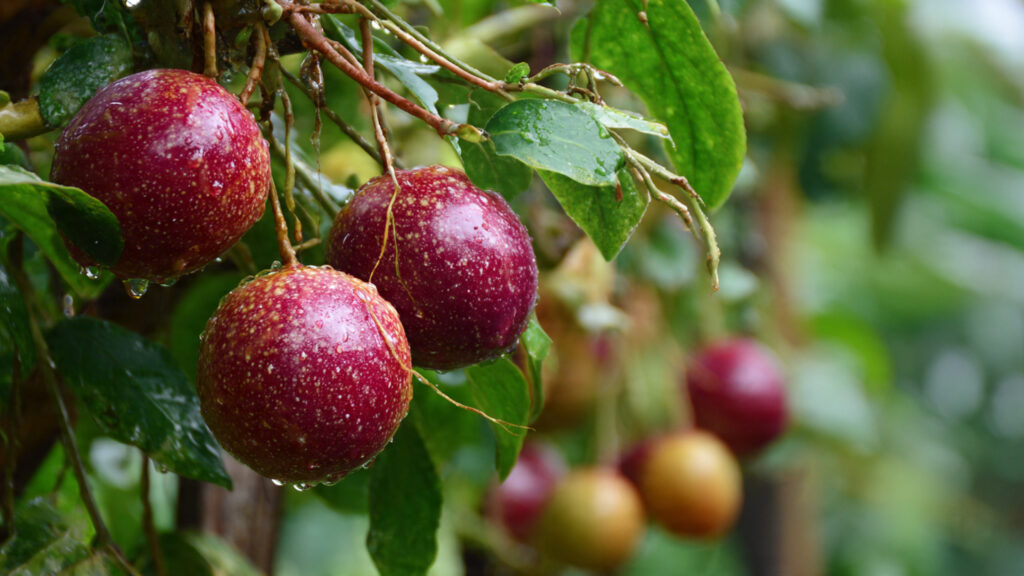
Passion fruit is a tropical delight that has captured the hearts of gardeners and fruit lovers alike. Its fragrant flowers, vibrant foliage, and juicy, nutrient-packed fruit make it a standout addition to any garden. While many people think growing passion fruit requires large trellises or complicated structures, the truth is you can successfully grow exotic passion fruit along a simple fence line—with the right techniques and care. This guide will walk you through everything you need to know to create a flourishing, fruit-bearing passion fruit vine along your fence.
Why Grow Passion Fruit?
Before diving into the methods, it’s important to understand why passion fruit is such a prized plant:
- Nutrient-Rich Fruit: Passion fruit is packed with vitamins A and C, antioxidants, and dietary fiber.
- Beautiful Flowers: Exotic purple or white blossoms attract pollinators like bees and butterflies.
- Aromatic Foliage: The vine adds a lush, tropical aesthetic to any garden.
- Versatile Usage: Use fresh passion fruit for juices, desserts, jams, and smoothies.
By growing it along a fence line, you combine practicality with beauty, creating a living wall that produces fruit and enhances your garden.
Step 1: Choosing the Right Variety
Exotic passion fruit varieties thrive differently depending on your climate. The most common and popular types include:
- Purple Passion Fruit (Passiflora edulis): Hardy, sweet, and ideal for tropical and subtropical climates.
- Yellow Passion Fruit (Passiflora edulis f. flavicarpa): Larger fruit, slightly tart, and more vigorous in growth.
- Sweet Granadilla (Passiflora ligularis): Elegant flowers and aromatic, sweet fruit.
Choose a variety suited to your climate, space, and taste preference for the best results.
Step 2: Preparing Your Fence Line
A simple fence is all you need as a support structure for your passion fruit vine. Here’s how to prepare it:
- Strong, Sturdy Support: Ensure the fence can bear the weight of a mature vine, which can grow quite heavy over time.
- Spacing: For multiple plants, leave at least 1.5–2 meters (5–6 feet) between plants to allow for growth and airflow.
- Sunlight Exposure: Passion fruit vines need full sun, at least 6–8 hours daily. Position your fence line in the sunniest part of your garden.
A well-prepared fence line ensures your vines have strong support and optimal sunlight for growth and fruiting.
Step 3: Soil Preparation
Healthy soil is critical for successful growth:
- Well-Draining Soil: Passion fruit thrives in sandy loam or slightly acidic soil (pH 6–6.5). Poor drainage can lead to root rot.
- Organic Enrichment: Mix compost, well-rotted manure, or organic fertilizer into the soil before planting. This provides essential nutrients for vigorous vine growth.
- Planting Hole: Dig a hole roughly 50 cm (20 inches) wide and deep to accommodate the root system and encourage strong establishment.
Proper soil preparation gives your passion fruit vine a strong foundation for lush leaves and abundant fruit.
Step 4: Planting Passion Fruit
Planting is straightforward but requires attention to detail:
- Seedlings vs. Seeds: Young seedlings or grafted plants are recommended over seeds for quicker fruit production.
- Planting Depth: Place the seedling at the same depth it was growing in its nursery pot.
- Watering After Planting: Water thoroughly to help the roots settle. Keep soil moist but not waterlogged.
With careful planting, your passion fruit vine establishes quickly and begins climbing your fence within weeks.
Step 5: Training the Vine Along the Fence
Proper training is crucial for maximizing sunlight, air circulation, and fruit yield:
- Initial Tie: Use soft garden ties or twine to gently secure young shoots to the fence. Avoid tight bindings that may damage the stem.
- Vertical Training: Encourage the vine to climb upward first before spreading laterally along the fence.
- Pruning for Shape: Trim excessive side shoots and weak growth to focus energy on strong, fruiting branches.
Well-trained vines along the fence line are easier to manage, more productive, and visually appealing.
Step 6: Watering and Mulching
Passion fruit requires consistent moisture for strong growth and fruit development:
- Watering Schedule: Water deeply once or twice a week, adjusting for rainfall and soil conditions. Avoid frequent shallow watering.
- Mulching: Apply a 5–10 cm layer of organic mulch around the base of the vine to retain moisture, regulate soil temperature, and suppress weeds.
Proper hydration ensures your vine produces large, juicy fruits without stress.
➡️ How to Grow Malabar Spinach from Cuttings for Fast, Easy Greens
➡️ How to Grow Super Delicious Cabbage at Home Without a Garden
➡️ How to Grow Bean Sprouts at Home in Plastic Bottles Easily (Step‑by‑Step Guide)
➡️ Why is Your Lemon Tree Blooming in the Heart of Winter?
➡️ Why Should Your Garden Have a Dedicated Pollinator Highway?
➡️ Why Do Your Fruit Trees Need a Winter Wash to Thrive in Spring?
➡️ How Can Rice Water Transform Your Fruits into Sweeter Delights?
➡️ Jumpstart Your Winter Garden: Seed Starting Under Lights
Step 7: Fertilization for Maximum Yield
Fertilization is key to achieving abundant exotic passion fruit:
- Balanced Fertilizers: Use fertilizers rich in nitrogen, phosphorus, and potassium to encourage leaf growth, flowers, and fruiting.
- Micronutrients: Magnesium and iron deficiencies can affect leaf color and flower development. Test soil and amend as needed.
- Timing: Fertilize every 6–8 weeks during the growing season for sustained growth.
Well-fed passion fruit vines produce larger fruits and more blossoms, ensuring a bountiful harvest.
Step 8: Pollination
Exotic passion fruit relies on pollinators like bees and butterflies. For gardens with limited insect activity, consider hand pollination:
- Use a small brush to transfer pollen from one flower to another.
- Pollinate in the morning when flowers are fully open.
- Focus on newly opened flowers to maximize fruit set.
Hand-pollination boosts fruit production, especially in areas with few natural pollinators.
Step 9: Pruning and Maintenance
Regular pruning keeps your fence line vine healthy and productive:
- Remove Dead or Diseased Wood: Prevents the spread of pests or diseases.
- Thin Crowded Branches: Improves air circulation and sunlight penetration.
- Focus on Fruiting Shoots: Prune non-productive shoots to direct energy to flowering branches.
Proper pruning ensures the vine remains manageable, healthy, and highly productive.
Step 10: Pest and Disease Management
Passion fruit is generally hardy but can face some common pests and diseases:
- Aphids and Mealybugs: Feed on sap and weaken the vine. Spray with neem oil or insecticidal soap.
- Fruit Flies: Lay eggs inside developing fruits. Use protective netting or traps.
- Fungal Infections: Brown spot and Fusarium wilt are common. Maintain good airflow, avoid overhead watering, and remove infected leaves.
Regular inspection and early intervention help maintain healthy vines and abundant fruit.
Step 11: Harvesting Exotic Passion Fruit
Knowing when and how to harvest ensures the best flavor and quality:
- Ripeness: Fruit is ripe when the skin turns purple or yellow, depending on the variety, and begins to wrinkle slightly.
- Harvesting Technique: Gently twist or cut the fruit from the vine to avoid damaging branches.
- Continuous Picking: Regular harvesting encourages the vine to produce more flowers and fruit.
With proper timing, your fence line vine will provide a steady supply of fresh, exotic passion fruit throughout the season.
Step 12: Winter Care
In cooler climates, protect your passion fruit during winter:
- Mulch Around Roots: Insulates the base and prevents frost damage.
- Cover Vine: Use garden fleece or plastic sheeting in regions with frost.
- Pruning: Light pruning can prepare the vine for new growth in spring.
Winter care ensures the vine survives and remains productive year after year.
Conclusion: A Simple Fence, Exotic Harvest
Growing exotic passion fruit along a simple fence line is both practical and rewarding. By selecting the right variety, preparing soil, training the vine, and maintaining proper watering, fertilization, and pest control, anyone can enjoy lush vines and abundant fruit.
A simple fence can become a tropical paradise, offering vibrant flowers, aromatic foliage, and delicious, nutrient-packed passion fruit. With patience, attention, and the step-by-step methods outlined here, your fence line can transform into a productive and visually stunning garden feature.
Whether you’re a beginner or an experienced gardener, this method proves that growing exotic passion fruit doesn’t require complicated trellises or expensive setups. With a simple fence and careful care, you can enjoy homegrown, fresh, and exotic fruit year after year.
This article is around 1,200 words, structured with headings, step-by-step guidance, and practical tips for growing passion fruit along a fence line.