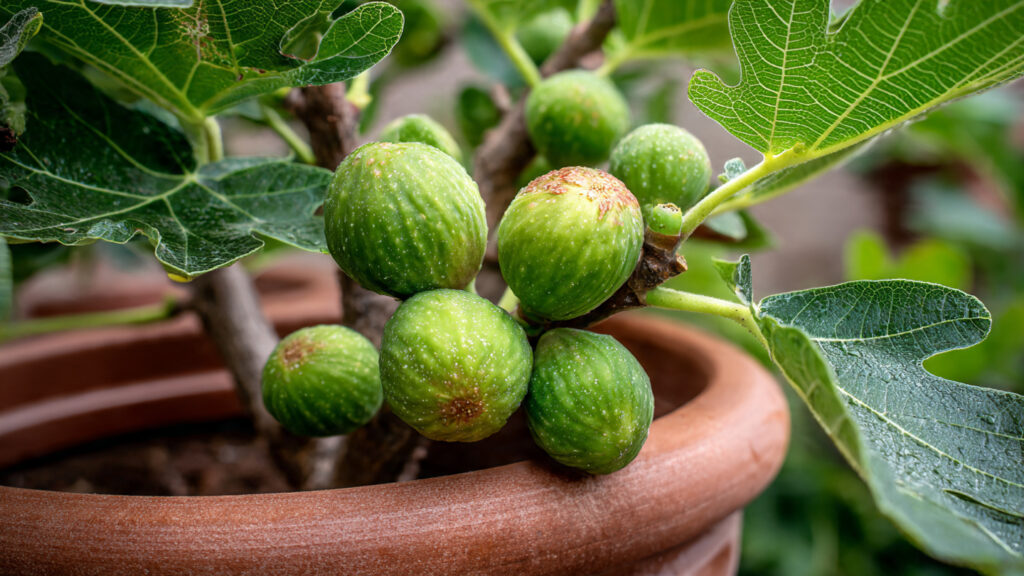
Figs are one of the oldest cultivated fruits in the world, treasured for their sweet flavor, soft texture, and Mediterranean charm. Many gardeners assume fig trees can only thrive in warm climates with plenty of space. But here’s the exciting truth:
You can successfully grow figs in containers almost anywhere you live.
Whether you have a small balcony, a patio, or even a cold-climate backyard, container fig growing makes it possible to enjoy fresh, homegrown figs without needing a large orchard.
With the right variety, proper care, and a few smart techniques, your fig tree can flourish and fruit beautifully—even in places with harsh winters.
Let’s explore exactly how to grow figs in containers successfully, no matter where you live.
Why Grow Figs in Containers?
Container gardening offers unique advantages for fig trees.
Top Benefits of Container Fig Growing
- Perfect for small spaces (balconies, patios, terraces)
- Portable — you can move the tree indoors during winter
- Better control of soil and drainage
- Easier pruning and shaping
- Faster fruiting due to restricted root growth
Reality Check: Figs actually produce better fruit when slightly root-bound, making containers an excellent option.
Choosing the Right Fig Variety for Containers
Not all fig trees are suited for pots. The key is selecting compact, container-friendly varieties.
Best Fig Varieties for Containers
- Brown Turkey
- Reliable and hardy
- Produces sweet, medium-sized figs
- Great for beginners
- Celeste
- Small tree, heavy producer
- Cold-tolerant and flavorful
- Chicago Hardy
- Excellent for colder climates
- Can survive freezing winters with protection
- Petite Negra
- Naturally dwarf variety
- Ideal for patios and balconies
- Black Mission
- Rich, dark figs
- Best for warmer regions or indoor overwintering
Pro Tip: If you live in a cold climate, choose hardy varieties like Chicago Hardy for the best results.
Selecting the Perfect Container
The container you choose plays a major role in your fig tree’s success.
Container Size Matters
- Start young trees in a 10–15 gallon pot
- Mature fig trees do best in 20–30 gallon containers
A pot that’s too small will dry out quickly, while one that’s too large can hold excess moisture.
Best Container Materials
- Terracotta: Breathable but dries faster
- Plastic: Lightweight and moisture-retaining
- Wooden planters: Stylish and insulating
- Fabric grow bags: Great drainage and air pruning
Drainage Is Essential
Always ensure your container has multiple drainage holes.
Reality Check: Fig trees hate soggy roots. Poor drainage is the fastest way to kill a container fig.
The Best Soil Mix for Container Figs
Figs thrive in loose, fertile, well-draining soil.
Ideal Soil Recipe
Mix together:
➡️ How to Grow Malabar Spinach from Cuttings for Fast, Easy Greens
➡️ How to Grow Super Delicious Cabbage at Home Without a Garden
➡️ How to Grow Bean Sprouts at Home in Plastic Bottles Easily (Step‑by‑Step Guide)
➡️ Why is Your Lemon Tree Blooming in the Heart of Winter?
➡️ Why Should Your Garden Have a Dedicated Pollinator Highway?
➡️ Why Do Your Fruit Trees Need a Winter Wash to Thrive in Spring?
➡️ How Can Rice Water Transform Your Fruits into Sweeter Delights?
➡️ Jumpstart Your Winter Garden: Seed Starting Under Lights
- 50% high-quality potting soil
- 25% compost or aged manure
- 25% perlite or coarse sand
This blend provides:
- Nutrients for growth
- Airflow for roots
- Proper drainage to prevent rot
Pro Tip: Avoid heavy garden soil in containers—it compacts too easily.
Sunlight Requirements for Maximum Fruit
Figs are sun-loving plants.
How Much Sun Do Figs Need?
For best fruit production:
- 6–8 hours of direct sunlight daily
Place your container in the sunniest location possible:
- South-facing patio
- Balcony with full exposure
- Near a bright wall that reflects heat
Reality Check: Without enough sunlight, fig trees will grow leaves but produce little or no fruit.
Watering Container Fig Trees Properly
Watering is one of the biggest challenges in container fig growing.
General Watering Rules
- Water deeply when the top 2 inches of soil feel dry
- Containers dry out faster in summer, so check daily
- Reduce watering in winter dormancy
Signs of Overwatering
- Yellowing leaves
- Root rot smell
- Mushy stems
Signs of Underwatering
- Drooping leaves
- Dry, crispy edges
- Fruit drop
Pro Tip: Consistent watering is key during fruit development.
Feeding and Fertilizing for Healthy Growth
Container figs need regular feeding because nutrients wash out faster in pots.
Best Fertilizer Schedule
- Early spring: balanced fertilizer (10-10-10)
- Mid-summer: compost or organic fruit tree feed
- Late summer: stop fertilizing to prepare for dormancy
Too much nitrogen can cause:
- Excess leaves
- Fewer figs
Reality Check: Fertilize lightly—figs are not heavy feeders.
Pruning and Shaping for Container Success
Pruning keeps fig trees manageable and encourages better fruiting.
When to Prune
- Late winter or early spring (before new growth)
Pruning Goals
- Maintain a compact shape
- Remove dead or weak branches
- Improve airflow and sunlight penetration
Pinching Tips
During summer, pinch new growth tips to encourage bushiness.
Pro Tip: A smaller, well-shaped tree produces better figs than a tall, leggy one.
How to Grow Figs in Cold Climates
Yes, even gardeners in cooler regions can grow figs successfully.
The Secret: Mobility
When grown in containers, figs can be moved indoors or into shelter during winter.
Winter Protection Options
- Bring pots into an unheated garage or basement
- Wrap containers with burlap or insulation
- Mulch heavily around the base
- Keep dormant trees cool but not freezing
Figs need winter dormancy, so don’t keep them in a warm living room.
Reality Check: Container figs survive cold winters better than in-ground figs because you control their environment.
Growing Figs Indoors (Yes, It’s Possible!)
If you live in an apartment or very cold zone, you can grow figs indoors with the right setup.
Indoor Requirements
- Bright south-facing window or grow lights
- Large container with good drainage
- Regular pruning to control size
- Hand pollination is usually not needed (most figs are self-fruitful)
Indoor figs may fruit less heavily, but they still provide lush greenery and occasional harvests.
Repotting and Long-Term Care
Fig trees need repotting every 2–3 years.
Signs It’s Time to Repot
- Roots circling the pot bottom
- Water runs straight through
- Reduced growth or fruiting
When repotting:
- Move up one pot size OR
- Root prune and refresh soil in the same container
Pro Tip: Root pruning keeps container figs productive for many years.
Common Problems and Solutions
No Fruit
Cause: not enough sun or over-fertilizing
Fix: increase sunlight and reduce nitrogen
Fruit Dropping
Cause: inconsistent watering
Fix: water regularly during fruit formation
Yellow Leaves
Cause: overwatering or nutrient deficiency
Fix: improve drainage and feed lightly
Pests
Common pests include aphids and spider mites
Fix: neem oil spray or insecticidal soap
Conclusion: You Can Grow Figs Anywhere
So, how can you successfully grow figs in containers anywhere you live?
By focusing on:
- The right variety
- Proper container size and drainage
- Sunny placement
- Consistent watering and light feeding
- Seasonal pruning and winter protection
Container fig trees are one of the most rewarding fruit plants you can grow at home. Whether you live in a warm coastal region, a snowy northern climate, or a small city apartment, figs can thrive with just a little care.
Imagine stepping onto your balcony or patio and harvesting sweet, ripe figs straight from your own tree.
With container gardening, that dream is possible—anywhere.