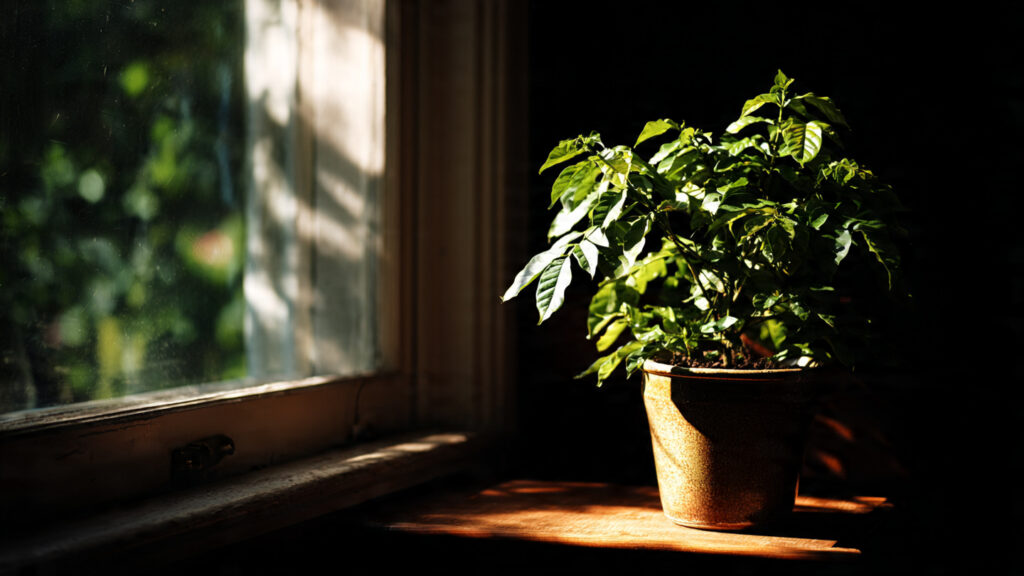
Imagine waking up to the aroma of freshly brewed coffee made from beans you grew yourself. While coffee is typically associated with tropical plantations, it is surprisingly possible to grow your own coffee beans at home—even in a sunny window! With the right care, patience, and technique, home gardeners can cultivate coffee plants that not only add beauty to indoor spaces but also reward you with fresh coffee beans after a few years.
In this article, we’ll explore the step-by-step process of successfully growing your own coffee beans at home, from seed selection to harvesting, all within the comfort of a sunny window.
Why Grow Coffee at Home?
Growing coffee indoors offers several unique benefits:
- Freshness – Nothing beats the flavor of coffee made from homegrown beans.
- Aesthetic appeal – Coffee plants have glossy green leaves and delicate white flowers, making them attractive houseplants.
- Learning experience – Cultivating coffee teaches patience, care, and the fascinating lifecycle of this beloved plant.
- Sustainability – Growing your own coffee reduces dependency on store-bought beans and packaging.
Though it requires patience—coffee plants grown from seeds typically take 3–5 years to produce beans—the reward is both practical and satisfying.
Choosing the Right Coffee Variety
The first step in growing coffee indoors is selecting the right variety. The two most common coffee species are:
- Coffea arabica (Arabica) – Known for smooth, mild flavors; prefers bright but indirect sunlight.
- Coffea canephora (Robusta) – Hardy and disease-resistant; slightly bitter taste; tolerates more direct sunlight.
For sunny windows, Arabica is usually preferred because it thrives in moderate indoor conditions and develops flavorful beans suitable for home brewing. Make sure to purchase fresh coffee seeds or beans that are viable for planting, ideally from a reputable nursery or seed supplier.
Preparing Coffee Seeds for Planting
Growing coffee begins with preparing your seeds. Unlike other seeds, coffee beans are actually the seeds of the coffee cherry. Here’s how to get them ready:
- Select fresh seeds – Fresh seeds sprout faster than dried, roasted, or old beans.
- Remove pulp – If using cherries, remove the outer fruit layer. Rinse seeds thoroughly to reduce mold risk.
- Soak seeds – Soak seeds in room-temperature water for 24 hours to soften the outer coat and encourage germination.
- Optional scarification – Lightly nicking the seed coat can improve germination rates, though it’s not necessary for most home-grown seeds.
Once prepared, your coffee seeds are ready for planting in a pot by the window.
Planting Coffee Seeds in a Sunny Window
Coffee plants grow best in well-draining, acidic soil with a pH around 6–6.5. Indoor conditions require careful attention to soil, water, and sunlight. Follow these steps:
- Choose a container – Start with a small pot, 3–4 inches deep, with drainage holes to prevent waterlogging.
- Use the right soil – A mixture of potting soil, compost, and sand works well. Acidic soil is ideal, so adding a teaspoon of peat moss or pine bark can help.
- Plant the seeds – Sow seeds about ½ inch deep, cover lightly with soil, and water gently.
- Maintain warmth – Coffee seeds require a stable temperature of 70–75°F (21–24°C) for germination. Covering the pot with a clear plastic bag can create a mini-greenhouse effect.
Coffee seeds can take 2–4 months to germinate, so patience is essential.
Caring for Young Coffee Seedlings
Once seedlings emerge, they need consistent care to thrive. Here’s how to nurture young coffee plants:
- Sunlight – Place seedlings in bright, indirect sunlight for 6–8 hours a day. Direct sunlight can scorch leaves.
- Watering – Keep the soil moist but not soggy. Coffee plants are sensitive to overwatering, which can cause root rot.
- Humidity – Coffee plants thrive in humidity. Indoor gardeners can mist leaves regularly or place the pot on a tray of water with pebbles.
- Fertilization – After 2–3 months, apply a diluted, balanced liquid fertilizer every 4–6 weeks to encourage healthy growth.
By maintaining consistent care, your seedlings will develop into strong, healthy plants ready for larger pots or permanent placement.
Transplanting Coffee Plants
After 6–12 months, seedlings may outgrow their starter pots. Transplanting encourages root growth and ensures continued health:
- Choose a larger pot – A 12–16 inch container with drainage holes is ideal for mature coffee plants.
- Prepare the soil – Use a rich, well-draining soil mix with organic compost.
- Transplant carefully – Gently remove seedlings from their old pot, keeping the root ball intact, and plant in the new container.
- Water thoroughly – This helps the plant adjust to its new environment.
With proper transplanting, coffee plants can continue to grow for many years indoors.
Flowering and Fruit Development
Coffee plants produce fragrant white flowers before developing fruit. To encourage flowering:
➡️ How to Grow Malabar Spinach from Cuttings for Fast, Easy Greens
➡️ How to Grow Super Delicious Cabbage at Home Without a Garden
➡️ How to Grow Bean Sprouts at Home in Plastic Bottles Easily (Step‑by‑Step Guide)
➡️ Why is Your Lemon Tree Blooming in the Heart of Winter?
➡️ Why Should Your Garden Have a Dedicated Pollinator Highway?
➡️ Why Do Your Fruit Trees Need a Winter Wash to Thrive in Spring?
➡️ How Can Rice Water Transform Your Fruits into Sweeter Delights?
➡️ Jumpstart Your Winter Garden: Seed Starting Under Lights
- Sunlight – Ensure the plant receives consistent, indirect sunlight.
- Temperature – Maintain indoor temperatures around 65–75°F (18–24°C).
- Pollination – If grown indoors, gently hand-pollinate flowers using a soft brush to transfer pollen between flowers.
- Fertilization – Use a fertilizer higher in potassium and phosphorus to support flowering and fruit development.
After pollination, coffee cherries gradually develop over several months, changing from green to red or yellow when ripe.
Harvesting Your Homegrown Coffee Beans
Harvesting coffee beans is a slow but rewarding process:
- Pick ripe cherries – Only cherries that have turned bright red or yellow are ready for harvest.
- Remove the beans – Cut the fruit open and extract the seeds inside.
- Dry the seeds – Air-dry beans for several days in a warm, ventilated area, turning them occasionally.
- Roast and grind – Once dried, beans can be lightly roasted and ground for fresh coffee.
Remember, homegrown coffee beans are a labor of love. While a single indoor plant may not produce large quantities, the experience and flavor are unmatched.
Common Challenges and How to Overcome Them
Growing coffee indoors comes with challenges, but they can be managed:
- Slow growth – Coffee plants grow slowly. Patience and consistent care are key.
- Yellow leaves – Usually caused by overwatering or nutrient deficiency. Adjust watering and apply fertilizer.
- Pests – Spider mites, aphids, and mealybugs can attack indoor plants. Use neem oil or insecticidal soap for treatment.
- Leggy growth – Insufficient light can make plants tall and weak. Move to a brighter location or supplement with grow lights.
Monitoring your plant and addressing problems early ensures long-term success.
Tips for Maintaining Coffee Plants Indoors
- Rotate the pot occasionally for even light exposure.
- Maintain moderate humidity through misting or pebble trays.
- Prune regularly to maintain size and shape.
- Avoid sudden temperature changes, which can stress the plant.
With these practices, your coffee plant can thrive indoors for years, producing flowers and beans for your enjoyment.
The Joy of Homegrown Coffee
There’s something magical about growing your own coffee. From planting a tiny seed to harvesting fresh beans, the journey offers both educational and sensory rewards. Homegrown coffee plants not only provide a sustainable source of beans but also bring greenery and fragrance into your living space.
Watching your coffee plant flower, fruit, and finally yield beans is a reminder of nature’s complexity and the patience required for cultivation. Even if the yield is small, the satisfaction of brewing coffee made from your own plant is unmatched.
Final Thoughts
Growing coffee beans in a sunny window is not only possible but incredibly rewarding. With the right variety, careful seed preparation, consistent care, and patience, home gardeners can enjoy their own fresh coffee right from the comfort of their home. Whether you have a small windowsill, balcony, or indoor garden, cultivating coffee adds a touch of nature, fragrance, and flavor to your daily life.
So the next time you sip your morning coffee, imagine the journey it could take—from a tiny seed you planted on a sunny windowsill to the steaming cup in your hands. With dedication and care, that dream can become a reality.