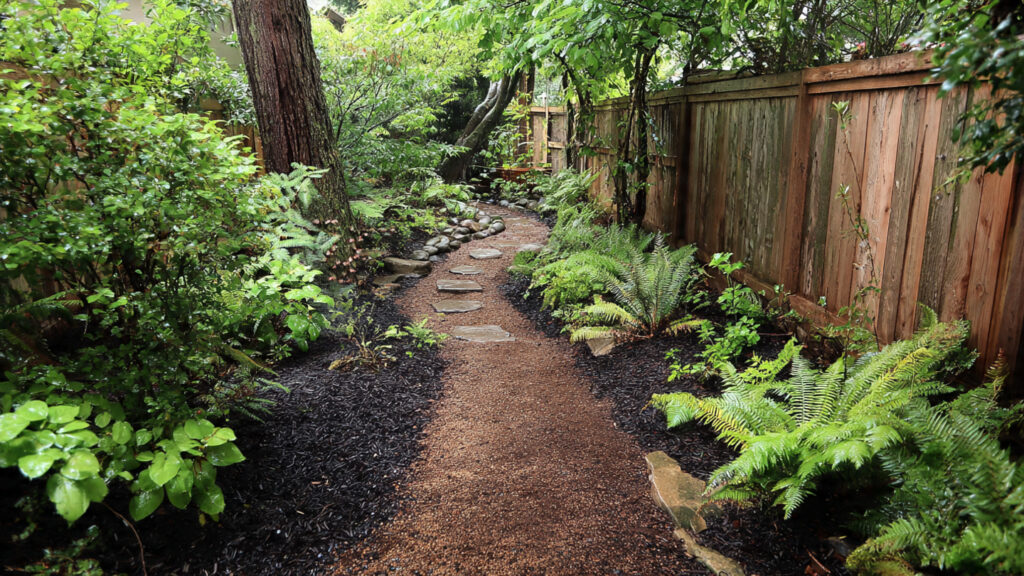
Do you look at your side yard and see nothing but plain grass, bare soil, or a neglected corner of your property? What if that dull, overlooked space could be transformed into a serene woodland path — a hidden sanctuary where nature and tranquility meet? Creating a woodland-inspired pathway in your side yard is not only an aesthetic upgrade, it’s a chance to add biodiversity, a touch of magic, and a personal retreat just steps away from your door. With careful planning, smart plant choices, and creative design, you can turn even the most uninspiring side yard into a natural escape.
In this guide, we’ll explore step-by-step how to create a beautiful woodland path, from conceptualizing the design to planting, paving, and decorating.
Step 1: Envision Your Woodland Path
Every great transformation starts with a vision. Ask yourself:
- What mood do you want to create? Peaceful, whimsical, or enchanting?
- Will the path be for strolling, seating, or a combination of both?
- Do you want a short trail or a meandering path that disappears around a corner, hinting at a hidden retreat?
Sketch your ideas on paper. Even a rough layout helps you visualize the flow of the path, the placement of plants, and where natural features like rocks or trees could fit.
Tip: Woodland paths often work best with curves instead of straight lines, as winding paths feel more natural and intimate, mimicking forest trails.
Step 2: Prepare Your Side Yard
Before adding plants and features, you need to prepare your yard:
- Clear the Area: Remove weeds, debris, and any unwanted structures. If there’s grass, you can either remove it or work with it, depending on your design.
- Level the Ground: Woodland paths don’t have to be perfectly flat, but you want a smooth surface to walk on. Slight rises and dips add interest, but avoid large uneven patches.
- Mark Your Path: Use stakes, string, or a garden hose to outline where the path will go. This visual guide helps plan plantings and paving.
Step 3: Choose Your Path Material
The right path material can set the tone for your woodland retreat. Options include:
- Mulch or Bark Chips: Affordable, soft underfoot, and blends naturally with greenery. Ideal for a casual woodland look.
- Gravel or Crushed Stone: Provides drainage, is low maintenance, and has a rustic charm.
- Stepping Stones or Flagstones: Perfect for creating a whimsical or storybook path. Place stones irregularly for a natural effect.
- Wooden Planks or Timber Edging: Adds structure while keeping the woodland feel.
Tip: Combine materials for contrast — for example, stepping stones embedded in bark mulch create a natural yet functional walkway.
Step 4: Select Woodland-Friendly Plants
Plants are the heart of any woodland path. Choose varieties that thrive in partial shade, mimic natural forests, and require low maintenance:
- Trees and Shrubs:
- Japanese Maple – Small, colorful, and graceful.
- Dogwood or Redbud – Adds spring blooms and structure.
- Ferns and Hostas – Thrive in shade and create lush greenery.
- Ground Cover:
- Moss – Perfect for shaded areas, adds a soft, green carpet.
- Wild Ginger or Lungwort – Covers bare soil and provides texture.
- Flowering Perennials:
- Astilbe, Bleeding Heart, and Columbine – Woodland favorites with delicate blooms.
- Solomon’s Seal – Elegant arching stems and subtle flowers.
Layer plants of different heights along the path: taller shrubs and trees in the back, mid-sized plants in the middle, and low-growing ground cover near the path edges. This creates a natural forest-like perspective.
Step 5: Create Natural Borders
Borders help define your path and guide visitors without feeling artificial. Some ideas include:
- Rocks and Boulders: Scatter irregular stones along the edges for a rustic, natural feel.
- Logs and Timber: Short sections of log edging or stumps can frame the path subtly.
- Flowering Edges: Plant native woodland flowers along the edges to soften the transition between the path and the surrounding yard.
Avoid rigid, straight lines. Let the edges flow naturally, curving and tapering like a forest trail.
Step 6: Add Layers and Texture
Woodland paths feel magical when there’s variety in texture and height. Consider:
- Vertical Layers: Mix small shrubs, tall ferns, and low flowers to create depth.
- Seasonal Interest: Choose plants with different blooming seasons or colorful foliage to maintain visual appeal year-round.
- Natural Debris: Leave some fallen leaves, small twigs, or pinecones on the path to mimic a forest floor.
Tip: Mixing deciduous and evergreen plants ensures your woodland path looks inviting in both summer and winter.
Step 7: Introduce Ambient Features
Woodland paths become enchanting with small, subtle features:
➡️ How to Grow Malabar Spinach from Cuttings for Fast, Easy Greens
➡️ How to Grow Super Delicious Cabbage at Home Without a Garden
➡️ How to Grow Bean Sprouts at Home in Plastic Bottles Easily (Step‑by‑Step Guide)
➡️ Why is Your Lemon Tree Blooming in the Heart of Winter?
➡️ Why Should Your Garden Have a Dedicated Pollinator Highway?
➡️ Why Do Your Fruit Trees Need a Winter Wash to Thrive in Spring?
➡️ How Can Rice Water Transform Your Fruits into Sweeter Delights?
➡️ Jumpstart Your Winter Garden: Seed Starting Under Lights
- Lighting: Soft solar lights or lanterns tucked among the plants add safety and atmosphere. Avoid bright lights; aim for a gentle, dappled glow.
- Benches and Seating: A rustic wooden bench or log seat offers a place to pause and enjoy your private woodland.
- Water Features: A small birdbath, fountain, or trickling stream adds sound and movement, attracting birds and wildlife.
- Garden Ornaments: Add whimsical touches like stone statues, stepping mushrooms, or decorative stones, but keep them minimal for a natural look.
Remember: less is more. The goal is a subtle woodland feel, not a theme park.
Step 8: Maintain Your Hidden Woodland Path
Even natural-looking paths need care. Maintenance tips include:
- Weeding: Regularly remove invasive plants that compete with your woodland species.
- Pruning: Trim overgrown shrubs or ferns to maintain the path and keep it accessible.
- Mulching: Refresh bark or mulch every year to retain moisture and enrich the soil.
- Path Repair: Replenish gravel, straighten stepping stones, or repair edging as needed.
With consistent care, your woodland path can thrive for years with minimal effort.
Step 9: Encourage Wildlife
A woodland path is not just for humans. Attracting birds, butterflies, and beneficial insects enhances the experience:
- Plant Native Flowers: They attract pollinators like bees and butterflies.
- Add Bird Feeders or Nesting Boxes: Provide food and shelter for birds.
- Water Source: Even a small bowl of water can attract wildlife.
Your side yard becomes a vibrant ecosystem, adding life and sound to your hidden path.
Step 10: Enjoy Your Woodland Escape
The most rewarding part of creating a woodland path is experiencing it. Step onto the soft mulch, listen to the birds, inhale the scent of flowers and moss, and feel a sense of seclusion just outside your home. Over time, your path will mature, plants will grow more abundant, and the hidden retreat you created will become an integral part of your property.
Imagine hosting a morning coffee or evening tea by your bench, surrounded by the lush greenery and gentle whispers of your woodland sanctuary. It’s a private escape that transforms a previously dull side yard into a source of inspiration and relaxation.
Bonus Tips for a Lush Woodland Path
- Shade-Tolerant Grass Alternatives: Consider moss, sweet woodruff, or creeping thyme for path edges instead of conventional grass.
- Seasonal Decorations: Add pinecones, dried leaves, or small logs in fall and winter for natural charm.
- Scented Plants: Woodland plants like wild mint, thyme, or lavender offer subtle aromas.
- Natural Mulching: Use fallen leaves or bark from pruning to recycle organic matter.
Conclusion
Transforming a dull side yard into a hidden woodland path is a journey of creativity, patience, and a love for nature. With thoughtful planning, the right plants, natural materials, and subtle decorative touches, you can create a serene escape that feels like a secret forest trail. Not only will your property gain visual appeal, but you’ll also cultivate a space that nourishes the soul, attracts wildlife, and provides a private retreat right at your doorstep.
Your woodland path is more than a garden feature — it’s a living, breathing sanctuary, waiting for you to explore and enjoy. So, roll up your sleeves, let your imagination guide you, and watch your side yard transform into a magical woodland haven.