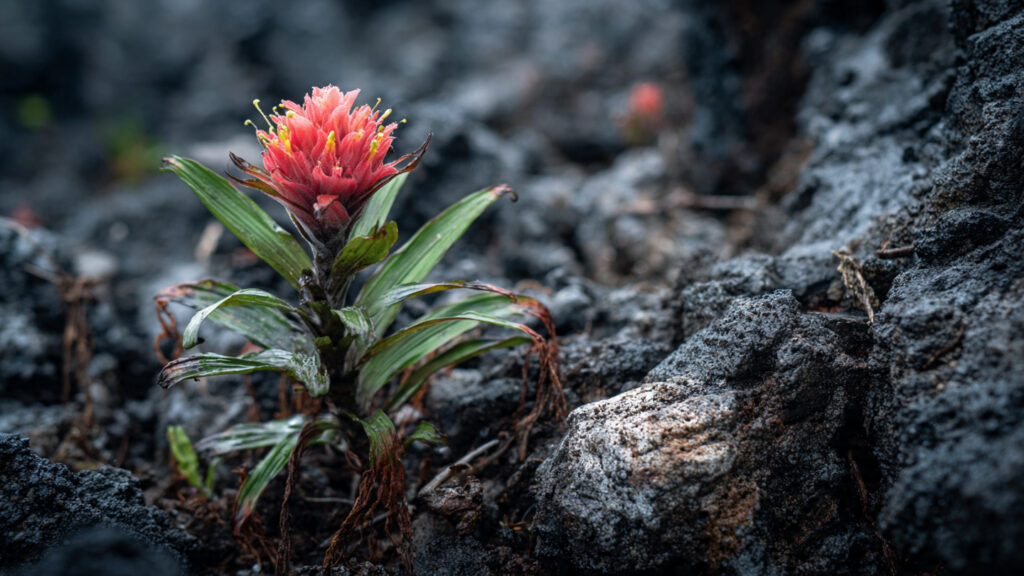
Nature is full of astonishing stories of resilience, but few are as captivating as the tale of a flower that not only survived a volcanic eruption but went on to thrive in its aftermath. Volcanoes are synonymous with destruction—they spew lava, ash, and toxic gases, leveling forests and fields in minutes. Yet, in some cases, life finds a way to rebound, often in the most unexpected and inspiring ways. Understanding how a flower can survive such extreme conditions reveals the remarkable adaptability of plants, the resilience of ecosystems, and the delicate interplay of life and geology.
The Destructive Power of Volcanoes
Volcanoes are among the most dramatic forces on Earth. When they erupt, they release:
- Lava flows: Molten rock that incinerates almost everything in its path.
- Ash clouds: Tiny volcanic particles that can suffocate plants, clog water sources, and alter soil chemistry.
- Pyroclastic flows: Fast-moving, superheated currents of gas and volcanic debris capable of destroying entire landscapes.
- Toxic gases: Carbon dioxide, sulfur dioxide, and hydrogen sulfide can poison vegetation and animals.
For most plants, such conditions are fatal. Roots are scorched, seeds buried under meters of ash, and leaf tissues burned beyond repair. Yet, nature often has ways to recover—even from these extreme disturbances.
How Flowers Survive Volcanic Eruptions
Survival in a volcanic zone depends on several factors, and flowers are no exception. A combination of biological traits and environmental circumstances allows some flowers to endure:
1. Seed Dormancy and Hardiness
Many plants have evolved seeds that can survive harsh conditions for years. These seeds may:
- Withstand extreme heat or prolonged exposure to volcanic ash.
- Remain dormant until favorable conditions return.
- Require natural triggers like fire, heat, or chemical changes in soil to germinate.
For example, certain wildflowers in volcanic regions have tough seed coats that prevent damage from heat or desiccation. When rainfall or nutrients return after the eruption, these seeds can germinate, starting a new generation of plants.
2. Resilient Root Systems
Some flowers survive because their underground parts—roots, bulbs, or rhizomes—are protected from surface devastation. A shallow layer of ash may cover the ground, but if the roots are deep enough or insulated, the plant can regrow.
- Bulbs and tubers store energy and can sprout new shoots even after the surrounding soil is destroyed.
- Rhizomes allow vegetative reproduction, enabling the plant to send up new stems once conditions improve.
In many cases, what appears to be a completely destroyed plant is actually waiting beneath the surface to rebound.
3. Adaptation to Extreme Conditions
Flowers that survive volcanoes often evolve in regions with frequent eruptions. Adaptations may include:
- Tolerance to acidic or mineral-rich soils created by volcanic deposits.
- Ability to store water during dry, post-eruption periods.
- Rapid growth cycles, enabling them to bloom and set seed quickly before harsh conditions return.
This evolutionary advantage allows certain species to colonize volcanic landscapes faster than less-adapted competitors.
The Role of Volcanic Soil
Ironically, volcanic activity can create ideal conditions for plant growth once the immediate danger passes. Volcanic soils, also known as andisols, are highly fertile:
- They contain minerals like phosphorus, potassium, and calcium, essential for plant growth.
- Ash deposits improve soil drainage and structure, creating aerated soil that encourages root development.
- Microorganisms that thrive in post-eruption soils help decompose organic matter, enriching the soil further.
A flower that survives the eruption may find itself in one of the most nutrient-rich environments on Earth, giving it a head start for flourishing growth.
Pioneer Species: Flowers Leading Ecological Recovery
The flower that thrives after a volcanic eruption is often a pioneer species—plants that are the first to colonize a disturbed or barren landscape. These species play a crucial role in ecosystem recovery:
- Soil Stabilization: Their roots help prevent erosion from wind and rain.
- Microhabitat Creation: They improve soil conditions, making it suitable for other plants and insects.
- Pollinator Attraction: Early blooms provide food for insects, which in turn aid reproduction and ecosystem rebuilding.
Pioneer flowers are hardy, adaptable, and often grow in clusters, establishing the first vibrant signs of life in otherwise desolate regions.
A Real-Life Example: Mount St. Helens
The 1980 eruption of Mount St. Helens in Washington, USA, is one of the most well-documented volcanic events in modern history. While the eruption devastated over 230 square miles of forest and left a landscape covered in ash, many plant species surprisingly survived or returned quickly:
➡️ How to Grow Malabar Spinach from Cuttings for Fast, Easy Greens
➡️ How to Grow Super Delicious Cabbage at Home Without a Garden
➡️ How to Grow Bean Sprouts at Home in Plastic Bottles Easily (Step‑by‑Step Guide)
➡️ Why is Your Lemon Tree Blooming in the Heart of Winter?
➡️ Why Should Your Garden Have a Dedicated Pollinator Highway?
➡️ Why Do Your Fruit Trees Need a Winter Wash to Thrive in Spring?
➡️ How Can Rice Water Transform Your Fruits into Sweeter Delights?
➡️ Jumpstart Your Winter Garden: Seed Starting Under Lights
- Fireweed (Chamerion angustifolium) was one of the first plants to recolonize the barren slopes. Its seeds were already present in the soil or carried by wind, demonstrating remarkable resilience.
- Other pioneer flowers sprouted from buried roots or seeds, eventually attracting insects and setting the stage for forest recovery.
These observations highlight how life finds a way to flourish even after extreme devastation.
How Flowers Adapt to Post-Volcanic Environments
Once the immediate threat of lava and ash has passed, surviving flowers must cope with:
- Temperature Extremes: Dark volcanic rocks can heat up quickly, stressing young plants.
- Nutrient Imbalance: Ash-rich soils may initially lack organic matter.
- Limited Water: Volcanic deposits may alter drainage patterns, making water scarce.
Flowers adapt by developing small, tough leaves to reduce water loss, growing close to the ground for protection, or rapidly producing seeds to ensure the next generation survives.
Pollinators and the Return of Life
Thriving flowers attract pollinators, which are essential for long-term ecosystem recovery:
- Bees, butterflies, and beetles feed on nectar and help fertilize plants.
- Birds and small mammals disperse seeds, allowing plants to spread across volcanic slopes.
- Pollinator activity accelerates biodiversity, creating a more resilient ecosystem.
Without pollinators, even the hardiest flower may struggle to reproduce and stabilize the post-eruption environment.
Lessons from a Flower That Survived a Volcano
The story of a flower thriving after volcanic destruction teaches us several valuable lessons:
- Resilience is Key: Life often finds a way, even in extreme conditions.
- Preparation and Adaptation Matter: Plants evolve traits that allow survival in unpredictable environments.
- Nature is Interconnected: Surviving flowers support pollinators and help other species return.
- Destruction Can Lead to Renewal: Volcanic soil and landscapes, though initially hostile, can become incredibly fertile and supportive of life.
This story isn’t just about a flower—it’s a metaphor for perseverance, recovery, and the hidden potential for growth even after calamity.
Cultivating Resilience in Our Gardens
Home gardeners can take inspiration from flowers that survive extreme events. Some principles include:
- Plant hardy varieties that tolerate drought, pests, or poor soil.
- Diversify species to create a resilient garden ecosystem.
- Use mulch and organic matter to protect soil and retain nutrients.
- Observe and adapt to environmental changes rather than trying to control them completely.
Just as a flower survives volcanoes, careful planning and adaptation help gardens flourish despite challenges.
Conclusion
The story of a flower surviving and thriving after a volcanic eruption is a remarkable testament to nature’s resilience. While volcanoes destroy habitats in an instant, they also set the stage for regeneration. Flowers, especially pioneer species, use survival strategies like seed dormancy, tough roots, and rapid growth to rebound and thrive. They enrich volcanic soils, attract pollinators, and pave the way for ecological recovery.
In every scorched landscape, the first signs of green life offer hope, beauty, and a reminder that life is remarkably persistent. The flower that blooms on volcanic soil teaches us that adversity can lead to growth, destruction can lead to renewal, and even in the harshest conditions, life finds a way.
Whether on a remote volcanic slope or in a home garden, the resilience of plants continues to inspire and teach us about the delicate balance of survival, adaptation, and thriving in challenging environments.