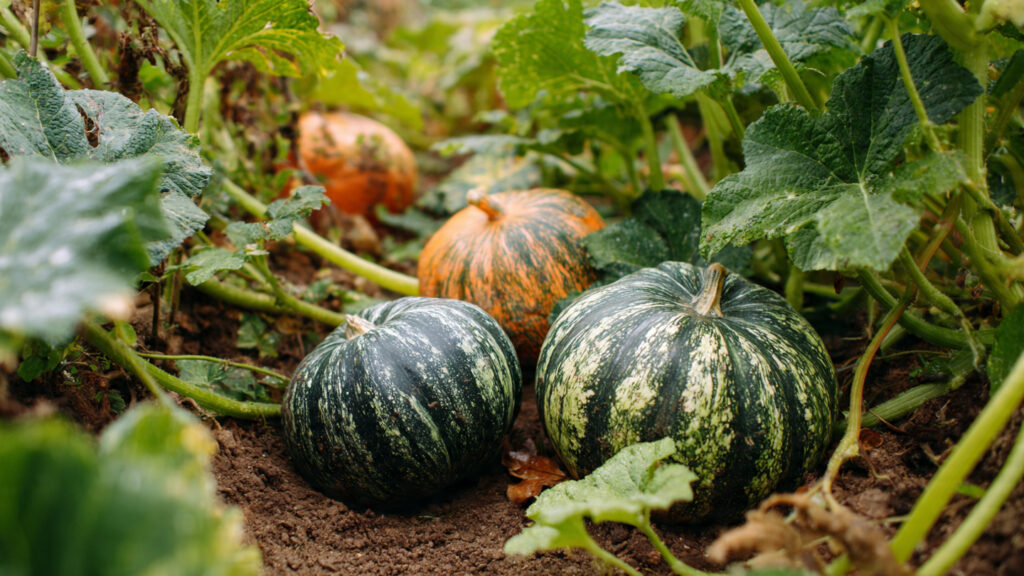
Pumpkins and squash are more than just seasonal delights—they’re nutritious, versatile, and can be grown to feed your family for months. Over the years, I’ve perfected a system that allows me to harvest these delicious vegetables continuously, ensuring my family has fresh produce all year round. In this article, I’ll share my step-by-step approach, from choosing the right seeds to storing the harvest, along with tips that have saved me time, money, and effort.
Choosing the Right Varieties for Year-Round Harvest
The first step in growing pumpkins and squash successfully is selecting the right varieties. Some pumpkins and squash mature quickly, while others are ideal for long-term storage. For my family, I choose:
- Butternut Squash – Creamy, sweet, and excellent for soups and roasting.
- Acorn Squash – Smaller, easy to store, and perfect for individual servings.
- Sugar Pumpkins – Ideal for pies and baking; they have dense, sweet flesh.
- Giant Pumpkins – Fun for autumn decorations, and the flesh can be used in stews or preserved.
When selecting seeds, I always prioritize disease-resistant varieties. This reduces the risk of losing crops to common problems like powdery mildew or squash vine borers.
Preparing the Soil for Maximum Growth
Pumpkins and squash are heavy feeders—they need rich, fertile soil to thrive. Here’s my soil preparation method:
- Choose a Sunny Spot: Both pumpkins and squash require full sun, ideally 6–8 hours per day. I select a well-draining area with plenty of space, as these plants love to spread.
- Amend the Soil: I mix in generous amounts of compost or well-rotted manure. This not only enriches the soil but also improves its water retention.
- Test and Adjust pH: Squash and pumpkins prefer slightly acidic to neutral soil (pH 6.0–7.0). I occasionally use natural soil amendments like lime or sulfur to adjust the pH as needed.
- Mound Planting: For better drainage and root development, I create small mounds spaced about 4–6 feet apart for pumpkins and 3–4 feet for smaller squash.
Proper soil preparation is key—it ensures strong, healthy plants that resist disease and produce abundant fruit.
Sowing Seeds and Transplanting
I usually start seeds indoors about 3–4 weeks before the last expected frost. Here’s my process:
- Seed Trays: I use seed trays filled with a light, well-draining seed-starting mix.
- Planting Depth: Seeds go about 1 inch deep, covered lightly with soil.
- Temperature and Watering: I keep the trays in a warm spot (70–75°F) and maintain consistent moisture. Avoid overwatering to prevent damping-off disease.
- Transplanting Outdoors: Once seedlings have 2–3 true leaves and the risk of frost has passed, I harden them off by gradually introducing them to outdoor conditions. Then, I plant them in the prepared mounds, spacing them according to their variety.
For direct sowing, I also plant a few seeds every 2–3 weeks during the planting season. This staggering method ensures a continuous harvest rather than a single peak.
Watering and Feeding
Consistent watering is crucial. Pumpkins and squash require deep watering once or twice a week rather than frequent shallow watering. I make sure to water at the base of the plants to avoid wetting the leaves, which can encourage fungal diseases.
Fertilization is also essential. I feed my plants with a balanced, organic fertilizer every 3–4 weeks. Once the fruits start forming, I switch to a fertilizer higher in potassium to promote strong, sweet fruit development.
Mulching with straw or leaves around the base helps retain soil moisture, suppress weeds, and protect the fruits from direct contact with the soil, reducing rot.
Pollination Tips
Pumpkins and squash have male and female flowers on the same plant. While bees often handle pollination, I sometimes help by hand to ensure good fruit set:
- Identify the Flowers: Male flowers have thin stems, female flowers have small fruits at the base.
- Transfer Pollen: Using a small brush, I transfer pollen from male to female flowers early in the morning when the flowers are open and receptive.
Hand pollination ensures higher yields and helps smaller gardens produce more fruit in limited space.
Pest and Disease Management
Even with careful planning, pests and diseases can attack. I use organic methods to keep my crops healthy:
- Squash Vine Borers: I inspect stems for tiny holes and sawdust-like frass. If detected early, I inject a small amount of neem oil and wrap the base with garden tape.
- Powdery Mildew: A mixture of milk and water sprayed weekly keeps this fungus at bay.
- Aphids: I use a strong water spray to knock them off or introduce ladybugs to control infestations naturally.
Crop rotation is another key strategy. I avoid planting pumpkins or squash in the same spot year after year to prevent soil-borne diseases.
Harvesting at the Right Time
Timing is everything. I check the skin of the fruit—ripe pumpkins and squash have a hard rind that resists fingernail pressure. I also look for:
➡️ How to Grow Malabar Spinach from Cuttings for Fast, Easy Greens
➡️ How to Grow Super Delicious Cabbage at Home Without a Garden
➡️ How to Grow Bean Sprouts at Home in Plastic Bottles Easily (Step‑by‑Step Guide)
➡️ Why is Your Lemon Tree Blooming in the Heart of Winter?
➡️ Why Should Your Garden Have a Dedicated Pollinator Highway?
➡️ Why Do Your Fruit Trees Need a Winter Wash to Thrive in Spring?
➡️ How Can Rice Water Transform Your Fruits into Sweeter Delights?
➡️ Jumpstart Your Winter Garden: Seed Starting Under Lights
- Color: The fruit has reached its mature color.
- Vine Condition: The vine starts to die back naturally.
I cut the fruit carefully with a sharp knife, leaving a few inches of stem attached to extend shelf life. Avoid breaking or twisting the stems, which can invite rot.
Storing Pumpkins and Squash for Year-Round Use
Proper storage is the secret to enjoying pumpkins and squash throughout the year. Here’s my method:
- Curing: After harvest, I cure the fruits in a warm, dry spot for 10–14 days. This toughens the skin and improves flavor.
- Storage Conditions: I store cured fruits in a cool, dry place with good ventilation, ideally 50–60°F.
- Shelf Life: Butternut and sugar pumpkins can last 3–6 months, while acorn squash lasts about 1–3 months. I rotate the stock, using the older ones first.
- Freezing: For long-term storage, I peel, cube, and freeze squash. This makes meal prep easy during winter months.
- Preserving: I also make pumpkin puree, pickled squash, and even dried pumpkin chips to keep the flavors available all year.
Cooking and Family Meals
The best part of growing pumpkins and squash is the variety of meals I can create:
- Roasted squash with herbs and olive oil.
- Creamy pumpkin soups in autumn.
- Pumpkin pie and muffins.
- Stuffed acorn squash with rice and vegetables.
- Stews, curries, and casseroles.
Because I grow my own, my family enjoys fresher, tastier meals, and I know exactly where the food comes from—no preservatives or chemicals.
Tips for Continuous Year-Round Supply
To maintain a constant supply, I follow a few key strategies:
- Succession Planting: Planting seeds in intervals ensures that new crops mature before older ones are gone.
- Staggered Varieties: Mix fast-maturing and slow-maturing varieties to spread out harvests.
- Storage Techniques: Combine curing, freezing, and canning to extend the life of your produce.
- Regular Care: Monitoring plants, providing nutrients, and pest management keeps yields high.
Conclusion
Growing pumpkins and squash for your family to enjoy all year round is entirely achievable, even in a small backyard. By selecting the right varieties, preparing your soil, nurturing seedlings, and managing pests and diseases organically, you can create a continuous harvest. Combine this with proper storage and creative cooking, and your family will enjoy nutritious, homegrown meals from these versatile vegetables throughout the year.
With patience, dedication, and a love for gardening, pumpkins and squash can transform your garden into a sustainable source of food, flavor, and joy. Watching my family delight in the fruits of our labor all year long is the most rewarding part of this journey—and it all starts with a simple seed.