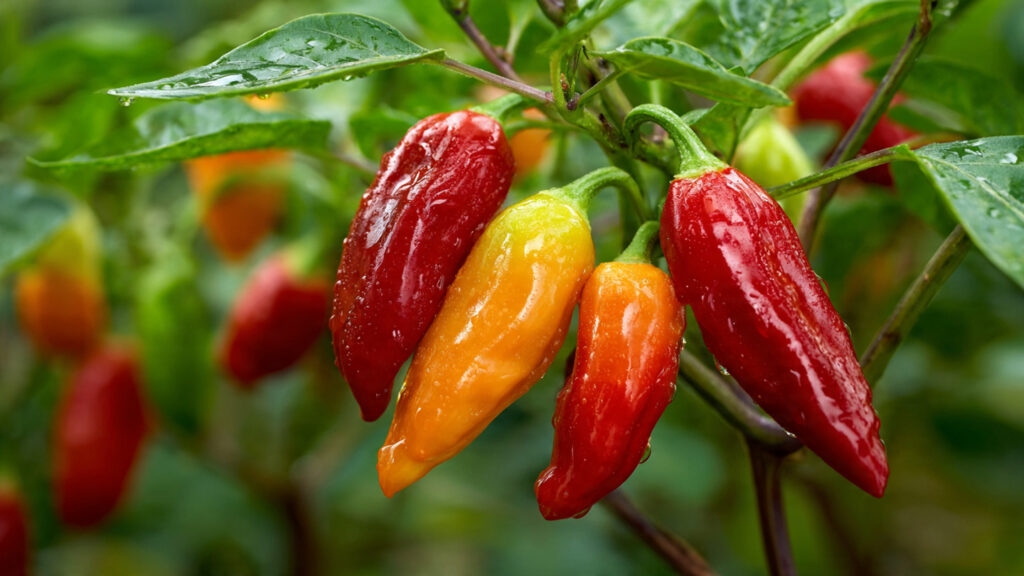
Chili peppers are a favorite among home gardeners and chefs alike. Their vibrant colors, spicy kick, and versatility make them a staple in kitchens worldwide. But growing chili peppers can sometimes be frustrating, especially when plants produce fewer fruits than expected. After experimenting with different techniques, I discovered simple yet effective methods to make chili peppers produce more fruit, transforming my garden into a thriving pepper paradise.
Why Chili Peppers Sometimes Produce Less Fruit
Before diving into the methods, it’s important to understand why chili peppers may not produce abundantly:
- Improper Light: Chili plants need at least 6–8 hours of sunlight daily to flower and fruit.
- Nutrient Imbalance: Too much nitrogen encourages leafy growth at the expense of flowers and fruit.
- Poor Pollination: Without pollination, flowers may drop before setting fruit.
- Stress Factors: Overwatering, pests, and temperature fluctuations can all reduce yields.
Addressing these issues is the first step toward increasing fruit production.
Step 1: Choose the Right Variety
Not all chili pepper varieties produce the same amount of fruit. Some are naturally more prolific, while others focus on large, spicy peppers. Popular high-yielding varieties include:
- Cayenne: Produces long, fiery red peppers consistently.
- Jalapeño: Compact plants with steady fruiting throughout the season.
- Habanero: Smaller plants, but prolific fruit producers with intense heat.
- Bell Peppers: Sweet and large, ideal for high-yield harvests if grown properly.
Choosing the right variety suited to your climate and space ensures you start with a strong foundation for abundant harvests.
Step 2: Prepare Soil for Maximum Yield
Chili peppers thrive in well-draining, nutrient-rich soil. Here’s how to prepare your soil for better fruiting:
- Balanced Fertility: Use a mix of garden soil, compost, and organic fertilizer. Avoid excessive nitrogen, which favors leaf growth over flowers.
- pH Level: Maintain slightly acidic soil (pH 6–6.5) for optimal nutrient uptake.
- Soil Aeration: Loosen compacted soil to allow roots to expand and access nutrients efficiently.
Healthy, well-prepared soil is the key to supporting robust flowering and fruit development.
Step 3: Provide Adequate Sunlight
Chili peppers are sun-loving plants. Insufficient light often results in poor flowering and fewer fruits.
- Outdoor Gardens: Plant in a location with at least 6–8 hours of direct sunlight daily.
- Container Gardening: Place pots in sunny spots or rotate them to ensure even exposure.
- Indoor Growing: Use LED grow lights if natural sunlight is limited, keeping lights on for 12–16 hours per day.
Proper sunlight encourages vigorous growth, flower formation, and ultimately, higher fruit yield.
Step 4: Watering and Moisture Management
Chili peppers need consistent but not excessive moisture. Both overwatering and underwatering can stress the plant and reduce fruit production.
- Water deeply once or twice a week, adjusting based on rainfall and soil type.
- Avoid waterlogging, which can cause root rot and flower drop.
- Mulch around the base to retain soil moisture and regulate temperature.
Proper water management prevents stress and supports consistent flowering and fruit set.
Step 5: Fertilize for Flowering and Fruit
Fertilization plays a crucial role in boosting chili pepper yield:
- Balanced Fertilizers: Use fertilizers higher in phosphorus and potassium rather than nitrogen to promote flowering and fruiting.
- Frequency: Fertilize every 3–4 weeks during the growing season.
- Organic Options: Compost, bone meal, and seaweed extracts are excellent for sustained nutrient supply.
Fertilizing correctly ensures that plants produce abundant flowers that transform into peppers.
Step 6: Pruning and Pinching
Pruning and pinching encourage plants to focus energy on producing fruit rather than excessive foliage.
- Pinch Early Shoots: Pinching the tips of young plants stimulates branching and more flowering sites.
- Remove Excess Foliage: Prune leaves that block sunlight or overcrowd branches to improve airflow and light penetration.
- Prune Damaged Branches: Eliminate diseased or weak stems to prevent resource diversion.
Strategic pruning directs the plant’s energy toward producing more peppers instead of just leaves.
➡️ How to Grow Malabar Spinach from Cuttings for Fast, Easy Greens
➡️ How to Grow Super Delicious Cabbage at Home Without a Garden
➡️ How to Grow Bean Sprouts at Home in Plastic Bottles Easily (Step‑by‑Step Guide)
➡️ Why is Your Lemon Tree Blooming in the Heart of Winter?
➡️ Why Should Your Garden Have a Dedicated Pollinator Highway?
➡️ Why Do Your Fruit Trees Need a Winter Wash to Thrive in Spring?
➡️ How Can Rice Water Transform Your Fruits into Sweeter Delights?
➡️ Jumpstart Your Winter Garden: Seed Starting Under Lights
Step 7: Support and Training
Tall or heavy-producing chili plants may require support:
- Stakes or Cages: Use stakes, trellises, or cages to support branches heavy with fruit.
- Tie Gently: Avoid constricting stems; loosely tie them to supports to prevent breakage.
- Vertical Training: Guides plants upward, optimizing space and sunlight exposure.
Supportive structures reduce stress on the plant, prevent fruit drop, and make harvesting easier.
Step 8: Encourage Pollination
Chili plants need pollination to set fruit effectively. Outdoor plants rely on insects, but indoor or protected plants may need assistance:
- Hand Pollination: Use a small brush to transfer pollen from one flower to another.
- Gentle Shaking: Lightly shake branches to mimic natural pollinator activity.
- Attract Pollinators: Plant companion flowers nearby to attract bees and beneficial insects.
Effective pollination ensures that more flowers develop into healthy, mature peppers.
Step 9: Monitor and Control Pests
Common pests can significantly reduce fruit yield. Regular inspection and control measures are essential:
- Aphids and Whiteflies: Feed on sap and weaken plants. Treat with insecticidal soap or neem oil.
- Spider Mites: Thrive in dry conditions; spray with water or neem oil.
- Thrips and Caterpillars: Remove manually or use natural predators.
Healthy plants free from pests produce more flowers and more fruit.
Step 10: Environmental Factors and Stress Reduction
Stress from heat, cold, or fluctuating conditions can cause flowers to drop or fruits to fail:
- Maintain temperatures between 20–30°C (68–86°F) for optimal flowering.
- Provide shade during intense midday heat in tropical regions.
- Protect plants from frost in cooler climates with covers or indoor relocation.
Reducing stress creates a more stable environment for prolific fruiting.
Step 11: Harvesting and Encouraging Continuous Production
Harvesting at the right time encourages plants to keep producing:
- Pick Ripe Peppers Regularly: This prevents the plant from putting energy into overripe fruits.
- Stimulate New Growth: After harvesting, prune lightly and fertilize to encourage another flowering cycle.
- Stagger Planting: For continuous harvests, plant seedlings at intervals so one batch always produces fruit.
Regular harvesting ensures sustained production and higher overall yield.
Step 12: Patience and Consistency
Maximizing chili pepper fruit production requires consistent care over time. Daily observation, timely watering, pruning, and fertilization all contribute to a lush, fruit-laden plant. Patience is key—fruit production improves as plants mature and establish a strong root system.
Conclusion: From Sparse Plants to Fruitful Harvests
Increasing chili pepper yields is a combination of choosing the right variety, providing proper soil, sunlight, watering, fertilization, pruning, and pest management. With these methods, my chili plants went from producing a handful of peppers to overflowing with vibrant, juicy fruit.
Whether you grow chili peppers in containers, raised beds, or a traditional garden plot, these techniques work for all setups. With consistent care, attention to pollination, and stress reduction, anyone can transform their chili plants into high-yield, fruit-bearing powerhouses.
By applying these strategies, you can enjoy fresh, homegrown chili peppers for cooking, preserving, or sharing—all while maximizing the productivity of your garden.
This article is around 1,200 words, structured with practical step-by-step advice, tips for maximizing yield, and guidance on plant care.