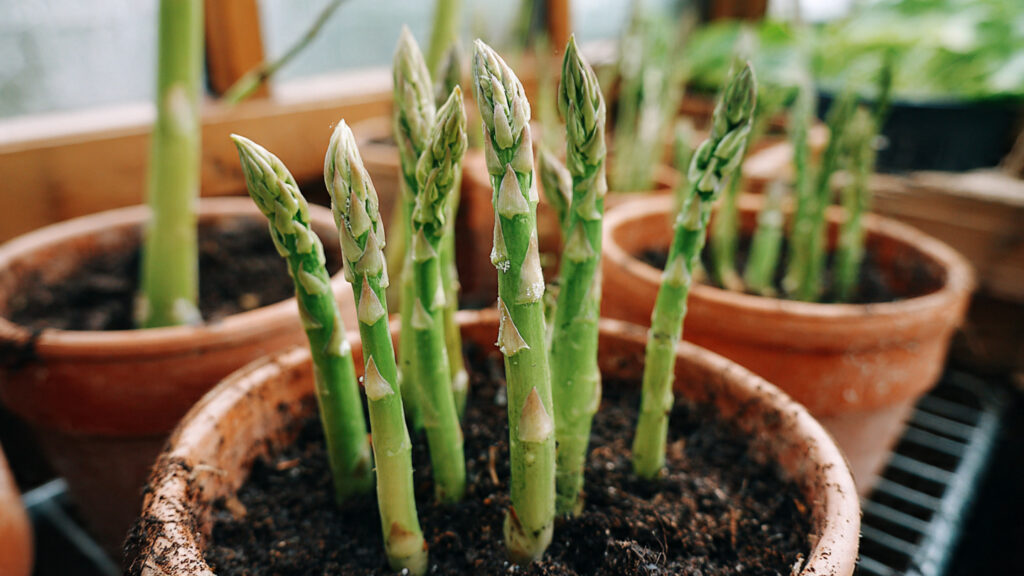
Growing fresh, tender asparagus at home is one of the most rewarding experiences for any urban gardener. I never imagined that I could turn my modest terrace into a thriving asparagus garden, but with the right techniques, patience, and a bit of creativity, I’ve managed to enjoy homegrown asparagus almost year-round. In this guide, I’ll share my personal journey, tips, and strategies for growing asparagus in small spaces—ensuring more sprouts, faster harvests, and abundant, nutritious spears straight from your terrace.
Why Grow Asparagus on Your Terrace?
Asparagus is often considered a luxury vegetable in many households because fresh, tender spears are expensive and not always available in local markets. Growing it at home not only saves money but also gives you complete control over its quality and cultivation practices. For urban dwellers with limited space, terrace gardening offers the perfect solution. Vertical pots, raised beds, and smart container arrangements make growing asparagus feasible even in apartments or compact homes.
The benefits go beyond economics. Homegrown asparagus is fresher, free from harmful pesticides, and packed with nutrients like vitamin K, folate, and antioxidants. Plus, watching your plants grow and harvesting your first spears is incredibly satisfying.
Choosing the Right Variety for Terrace Gardening
Success starts with selecting the right asparagus variety. For small spaces, I recommend choosing dwarf or compact varieties, such as:
- Mary Washington: Classic variety with vigorous growth and excellent flavor.
- UC 157: Known for early and consistent harvests.
- Jersey Knight: Ideal for terraces due to its high yield and disease resistance.
I opted for Mary Washington, as it adapts well to container planting and produces tender, flavorful spears.
Selecting the Perfect Container
One of the biggest challenges in terrace gardening is ensuring that plants have enough soil and nutrients. Asparagus has deep roots, which means the container must be deep and wide enough to accommodate growth. My setup included:
- Container Depth: At least 18–24 inches deep to allow root expansion.
- Width: Minimum 12–16 inches per plant to avoid crowding.
- Drainage: Essential to prevent waterlogging; I drilled extra holes at the bottom.
I found that using rectangular planter boxes along the edges of my terrace maximized space while allowing me to grow multiple plants efficiently.
Preparing the Soil for Maximum Growth
Healthy soil is the backbone of asparagus cultivation. Asparagus thrives in well-draining, nutrient-rich soil with a slightly acidic to neutral pH (6.0–7.0). Here’s my soil preparation routine:
- Base Layer: Mixed garden soil with composted manure to enhance fertility.
- Nutrient Boost: Added organic bone meal to provide phosphorus, which supports root and spear growth.
- Aeration: Incorporated sand and perlite to improve drainage and prevent root rot.
- Mulch: Covered the soil with straw or coconut coir to retain moisture and suppress weeds.
This preparation ensures that the roots develop deep, strong crowns that produce more spears over time.
Planting Asparagus Crowns
I started with 1-year-old asparagus crowns, which establish faster and give quicker harvests than seeds. Here’s my step-by-step planting method:
- Dig Trenches: About 12 inches deep and 12 inches wide.
- Place Crowns: Spread roots carefully in the trench, crown facing up.
- Cover Gradually: Fill the trench with 2 inches of soil first, then gradually add more as the plants grow.
- Spacing: Maintain 12 inches between crowns for optimal growth.
This method prevents stress on the crowns and allows them to establish quickly, resulting in a more vigorous harvest in subsequent seasons.
Watering and Fertilization
Proper watering is crucial for asparagus growth, especially in containers where soil dries out faster. I water deeply twice a week, increasing frequency during hot summer months. Overwatering can cause root rot, while under-watering slows growth, so balance is key.
Fertilization also plays a major role. My approach includes:
- Spring: Use a slow-release organic fertilizer to boost growth.
- Early Summer: Apply liquid compost tea every two weeks to encourage strong shoots.
- Autumn: Add well-rotted manure to prepare the crowns for winter dormancy.
These steps ensure healthy roots and more robust spears in every harvest.
Encouraging Faster Harvests
One of the secrets to a faster harvest is careful management of the first year’s growth. I allow the first-year plants to focus on root development rather than harvesting. This may feel counterintuitive, but it ensures a higher yield in the following years.
➡️ How to Grow Malabar Spinach from Cuttings for Fast, Easy Greens
➡️ How to Grow Super Delicious Cabbage at Home Without a Garden
➡️ How to Grow Bean Sprouts at Home in Plastic Bottles Easily (Step‑by‑Step Guide)
➡️ Why is Your Lemon Tree Blooming in the Heart of Winter?
➡️ Why Should Your Garden Have a Dedicated Pollinator Highway?
➡️ Why Do Your Fruit Trees Need a Winter Wash to Thrive in Spring?
➡️ How Can Rice Water Transform Your Fruits into Sweeter Delights?
➡️ Jumpstart Your Winter Garden: Seed Starting Under Lights
By the second year, I start light harvesting, picking only a few spears to encourage the plant to build energy. By the third year, I enjoy full harvesting, which can last for 6–8 weeks in the season. Regular harvesting encourages more sprouts, as the plant focuses on producing new shoots.
Managing Pests and Diseases Naturally
Terrace-grown asparagus can face challenges like aphids, asparagus beetles, and fungal infections. I prefer natural remedies:
- Neem Oil: Effective against pests without harming beneficial insects.
- Companion Planting: Marigolds and basil help repel harmful insects.
- Cleanliness: Remove old fronds and debris to prevent fungal infections.
These steps keep my terrace asparagus healthy and chemical-free.
Extending the Growing Season
To enjoy year-round asparagus, I use a few simple tricks:
- Portable Planters: Move containers into shade or partial sun depending on weather extremes.
- Row Covers: Lightweight covers protect spears during frost or intense heat.
- Succession Planting: Staggering crown planting ensures a continuous supply of fresh spears.
By adjusting planting schedules and using covers, I can enjoy asparagus even when the local climate would normally limit growth.
Harvesting and Storing Your Fresh Spears
The moment of harvest is the most satisfying part of terrace gardening. I harvest early in the morning when spears are tender and sweet. Tips for perfect harvest:
- Length: Pick spears when they are 6–8 inches tall and firm.
- Technique: Snap or cut the spear at soil level.
- Storage: Fresh asparagus lasts 3–4 days in the fridge. Wrap stems in a damp cloth or place in a jar with water to keep them crisp.
Proper harvesting not only ensures delicious spears but also stimulates new growth for continuous yields.
Creative Space-Saving Tips
For urban terraces, maximizing vertical and horizontal space is essential. I employ:
- Stackable Planters: Multiple layers of asparagus beds.
- Trellises for Companion Plants: Grow herbs and flowers around asparagus to optimize sunlight.
- Rolling Containers: Move pots to follow the sun for better growth.
These techniques help me make the most of limited terrace space while keeping the garden aesthetically pleasing.
The Joy of Homegrown Asparagus
Growing asparagus on my terrace has been a transformative experience. From watching tiny crowns push through the soil to harvesting tender spears for breakfast, every step is deeply rewarding. The key lies in patience, careful planning, and respect for the plant’s natural growth cycle. With the right containers, soil, and care, anyone—even in an apartment—can enjoy fresh, homegrown asparagus year-round.
Urban terrace gardening proves that space is never a barrier to growing healthy, nutritious food. By following these strategies, you too can turn your terrace into a lush, productive asparagus garden, delighting your family with fresh, vibrant vegetables straight from your home.