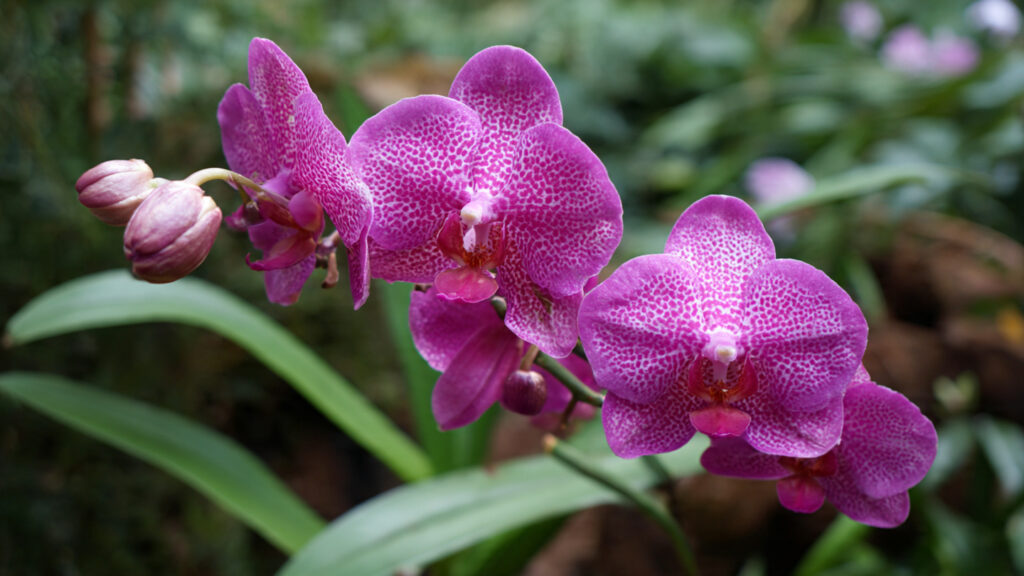
Orchids are some of the most elegant and captivating flowers you can grow at home. Their exotic shapes, vivid colors, and delicate fragrances make them a favorite among gardeners and indoor plant enthusiasts. However, achieving bigger, longer-lasting blooms requires more than just watering and sunlight. Fertilization is key to keeping your orchids healthy and encouraging repeated flowering. This guide will help you understand how often to fertilize an orchid and the best practices for maximizing bloom size and longevity.
Understanding Orchid Nutrition
Orchids are epiphytic plants in nature, meaning they often grow on trees or rocks rather than in soil. This unique growth habit affects their nutrient requirements. Unlike typical garden plants, orchids absorb nutrients slowly from organic matter in their environment. Fertilizing them properly is essential because:
- Orchids need nutrients for strong root systems, which support healthy blooms.
- Regular fertilization encourages continuous flowering.
- Proper nutrition prevents leaf yellowing, stunted growth, and premature flower drop.
The three primary nutrients that orchids require are nitrogen (N), phosphorus (P), and potassium (K). Nitrogen promotes leafy growth, phosphorus supports root and flower development, and potassium enhances overall plant health and bloom longevity.
Choosing the Right Fertilizer
Selecting the correct fertilizer is the first step to bigger, longer-lasting blooms. Consider these options:
1. Balanced Fertilizer
A balanced fertilizer, such as 20-20-20, provides equal amounts of nitrogen, phosphorus, and potassium. It is suitable for general maintenance during the growing season.
2. Bloom-Boost Fertilizer
When your orchid is about to bloom, switch to a fertilizer with higher phosphorus content, such as 10-30-20. Phosphorus encourages larger flowers and longer-lasting blooms.
3. Organic Fertilizer
Liquid seaweed extract or fish emulsion can be used occasionally. They release nutrients slowly and improve overall plant vitality.
4. Orchid-Specific Fertilizers
Specially formulated orchid fertilizers are available in most garden centers. They usually come in water-soluble form for easy application, and many are labeled with “bloom booster” formulas.
How Often Should You Fertilize Orchids?
Fertilization frequency depends on several factors including the type of orchid, growth stage, and growing conditions.
1. Weekly Weak Fertilization
A common method is the “weakly, weekly” approach, where you apply fertilizer at one-quarter to one-half the recommended strength once a week. This method mimics the natural low-nutrient environment orchids experience in the wild. Advantages include:
- Steady nutrient supply without overloading roots.
- Encourages consistent growth and frequent blooming.
- Reduces the risk of fertilizer burn.
2. Monthly Full-Strength Fertilization
Some growers prefer once-a-month full-strength fertilization. While effective, this method can increase the risk of root burn if applied excessively. Always ensure the orchid medium is moist before applying full-strength fertilizer.
3. Fertilizing During Dormancy
Orchids often have a resting or dormant phase, especially after flowering. During dormancy:
- Fertilizer should be reduced or stopped entirely.
- Fertilization during dormancy can stress the plant and reduce bloom quality.
Understanding your orchid’s growth cycle ensures that fertilization supports flower development rather than leafy growth.
Tips for Applying Fertilizer
Proper application enhances effectiveness and protects your orchid from damage.
1. Water First
Always water your orchid before fertilizing. This prevents fertilizer salts from burning delicate roots.
➡️ How to Grow Malabar Spinach from Cuttings for Fast, Easy Greens
➡️ How to Grow Super Delicious Cabbage at Home Without a Garden
➡️ How to Grow Bean Sprouts at Home in Plastic Bottles Easily (Step‑by‑Step Guide)
➡️ Why is Your Lemon Tree Blooming in the Heart of Winter?
➡️ Why Should Your Garden Have a Dedicated Pollinator Highway?
➡️ Why Do Your Fruit Trees Need a Winter Wash to Thrive in Spring?
➡️ How Can Rice Water Transform Your Fruits into Sweeter Delights?
➡️ Jumpstart Your Winter Garden: Seed Starting Under Lights
2. Use Diluted Solution
Dilute the fertilizer according to manufacturer instructions, or use a weaker solution to avoid nutrient overload.
3. Apply to Roots or Medium
Pour the fertilizer directly onto the roots or potting medium. Avoid wetting flowers, as fertilizer can damage petals.
4. Flush Occasionally
Once every 6–8 weeks, flush the pot with plain water to remove accumulated salts. Salt buildup can harm roots and reduce nutrient uptake.
Timing for Bigger Blooms
To encourage bigger, longer-lasting blooms, timing is key:
- Start using bloom-boost fertilizer about 6–8 weeks before expected flowering.
- Reduce nitrogen content while increasing phosphorus and potassium during the blooming phase.
- Continue light fertilization every week during flowering to maintain flower size and color intensity.
Consistent care during this critical period ensures that your orchid produces vibrant, healthy flowers.
Factors That Affect Fertilization Frequency
Several conditions influence how often you should fertilize your orchids:
1. Light
Orchids receiving ample light grow faster and use nutrients more quickly. These plants may benefit from more frequent fertilization than those in lower light.
2. Potting Medium
Orchids grown in fast-draining media like bark may require more frequent feeding compared to moss, which retains nutrients longer.
3. Temperature and Humidity
Warm, humid conditions speed up growth and nutrient uptake, increasing fertilization needs. Cooler, drier environments slow growth and reduce fertilizer requirements.
4. Orchid Type
- Phalaenopsis orchids: Respond well to weekly weak fertilizer.
- Cattleya orchids: Benefit from bloom-boost fertilizers applied every 2–3 weeks.
- Dendrobium orchids: May require lighter feeding during dormancy.
Adjust fertilization frequency based on your orchid’s species and growing environment.
Common Fertilization Mistakes to Avoid
Even experienced orchid growers can make mistakes that impact bloom quality:
- Over-fertilization: Can burn roots and reduce flowering. Always dilute fertilizer.
- Ignoring growth stages: Fertilizing too much during dormancy or too little before blooming can affect flower size.
- Using the wrong fertilizer: High-nitrogen fertilizers during blooming promote leaf growth over flowers.
- Skipping flushing: Salt buildup damages roots and inhibits nutrient absorption.
By avoiding these mistakes, your orchids will thrive and produce long-lasting, showy blooms.
Supporting Orchid Health Beyond Fertilization
Fertilizer alone isn’t enough. For optimal blooms, consider these complementary practices:
- Adequate light: Orchids need bright, indirect sunlight for robust flower development.
- Humidity control: Maintain 50–70% humidity for tropical orchids. Use a humidity tray or misting.
- Proper watering: Water when the potting medium is nearly dry, avoiding overwatering.
- Repotting: Refresh potting media every 1–2 years to provide clean, nutrient-rich roots.
Healthy plants naturally respond better to fertilization, producing bigger, longer-lasting flowers.
Encouraging Continuous Bloom
Some orchids, like Phalaenopsis, can bloom multiple times a year if properly cared for. Fertilization strategies for continuous bloom:
- Apply weak fertilizer regularly after flowering until new spikes appear.
- Switch to bloom-boost fertilizer 6–8 weeks before each expected bloom.
- Maintain consistent care with light, water, and humidity to support repeated flowering.
Conclusion
Fertilizing orchids correctly is essential for maximizing bloom size, color, and longevity. By understanding your orchid’s growth cycle, choosing the right fertilizer, and applying it at the right frequency, you can enjoy spectacular flowers year after year.
Remember the golden rules:
- Use weekly weak fertilization or carefully measured monthly doses.
- Adjust feeding according to light, potting medium, and species.
- Use bloom-boost fertilizers before flowering for larger, longer-lasting blooms.
- Always water first, flush occasionally, and avoid over-fertilizing.
With consistent care and attention to nutrition, your orchids will reward you with bigger, more vibrant blooms that can brighten your home or garden for months at a time.