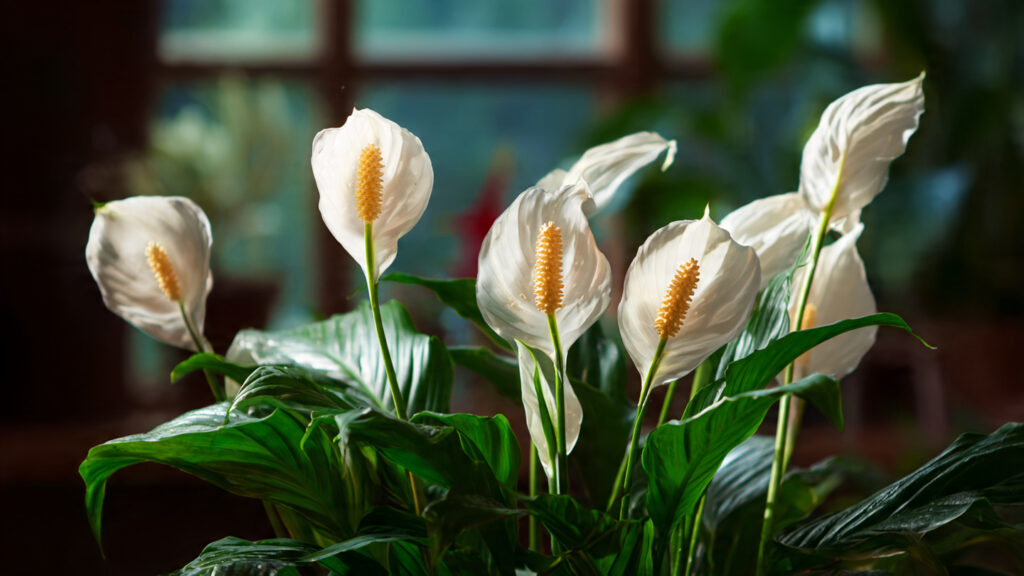
Peace lilies (Spathiphyllum spp.) are among the most beloved indoor plants, prized for their elegant white blooms, glossy green leaves, and ability to purify indoor air. They’re relatively low-maintenance, making them perfect for beginners or busy plant enthusiasts. Yet, one of the most common questions among peace lily owners is: “How often should I water my peace lily?”
Watering peace lilies correctly is crucial for their health. Too little water can cause drooping, brown leaf tips, and slow growth, while overwatering can lead to root rot and yellowing leaves. In this article, we’ll explore four must-know tips for watering peace lilies, helping your plant thrive indoors.
Understanding Peace Lily Water Needs
Peace lilies naturally grow in tropical rainforests, where they receive consistent moisture but also enjoy well-drained soil. This dual requirement means that in indoor conditions, finding the right watering balance is key.
A few essential points about peace lily water needs:
- They prefer moderately moist soil, never completely dry or soggy.
- Their leaves can signal their water status—drooping leaves usually mean it’s time to water.
- Proper water quality matters; they thrive in room-temperature, filtered, or rainwater over hard tap water.
Tip 1: Water When the Top Inch of Soil Feels Dry
Rather than following a strict schedule, monitor the soil. The most reliable way to know when your peace lily needs water is to check the top inch of soil.
How to check soil moisture:
- Stick your finger about 1 inch (2.5 cm) into the soil.
- If it feels dry at this depth, it’s time to water.
- If the soil feels moist, wait a few more days before checking again.
This method ensures you don’t overwater, which is the most common mistake with peace lilies. Watering only when the soil begins to dry prevents root rot and encourages healthy root development.
Pro tip: In warmer months or dry indoor conditions, peace lilies may need water more frequently—every 5–7 days. In cooler months, watering may only be needed every 10–14 days.
Tip 2: Water Thoroughly, Let Excess Drain
Peace lilies love a deep, thorough watering. Shallow watering can lead to weak roots and uneven moisture. Here’s the best way to water your peace lily:
- Water evenly: Pour water slowly over the surface of the soil until it starts to drain from the bottom.
- Check the drainage: Make sure the pot has a drainage hole so water doesn’t accumulate at the bottom.
- Empty excess water: If you’re using a saucer, remove any standing water to prevent root rot.
Proper drainage ensures that roots get enough moisture without sitting in water, which can cause fungal infections and yellowing leaves. Peace lilies also respond well to a light misting of leaves occasionally, mimicking their tropical environment.
Tip 3: Adjust Watering Based on Light and Environment
The watering needs of peace lilies are closely tied to their environment. Sunlight, temperature, and humidity all affect how quickly soil dries out.
Consider these factors:
- Light exposure: Peace lilies in bright indirect light will dry out faster than those in low-light conditions. Adjust watering frequency accordingly.
- Indoor temperature: Warmer indoor temperatures increase evaporation, so plants may need water more often. Cooler temperatures slow water uptake.
- Humidity: Peace lilies enjoy moderate humidity. In dry homes, consider using a humidity tray or humidifier, which can reduce how often you need to water.
Tip: Keep a log of your watering routine and observe how your peace lily responds. Adjusting for environmental conditions ensures healthy growth and prevents overwatering or underwatering.
Tip 4: Watch Plant Signs, Not Just Soil
Peace lilies are excellent at signaling when they need attention. Observing your plant’s leaves can guide your watering routine:
- Drooping leaves: The most common sign that your peace lily needs water. Don’t panic—this is reversible. Water thoroughly, and leaves will perk up within a few hours.
- Yellowing leaves: Often a sign of overwatering. Check the roots and adjust your watering schedule if soil feels constantly wet.
- Brown leaf tips: Usually caused by inconsistent watering or low humidity rather than overwatering.
- Slow growth or curling leaves: May indicate underwatering or insufficient light.
By paying attention to these natural signals, you’ll develop a watering routine tailored to your plant’s needs rather than relying solely on a calendar.
➡️ How to Grow Malabar Spinach from Cuttings for Fast, Easy Greens
➡️ How to Grow Super Delicious Cabbage at Home Without a Garden
➡️ How to Grow Bean Sprouts at Home in Plastic Bottles Easily (Step‑by‑Step Guide)
➡️ Why is Your Lemon Tree Blooming in the Heart of Winter?
➡️ Why Should Your Garden Have a Dedicated Pollinator Highway?
➡️ Why Do Your Fruit Trees Need a Winter Wash to Thrive in Spring?
➡️ How Can Rice Water Transform Your Fruits into Sweeter Delights?
➡️ Jumpstart Your Winter Garden: Seed Starting Under Lights
Common Watering Mistakes to Avoid
Even experienced plant owners sometimes make mistakes when watering peace lilies. Here’s what to watch out for:
- Overwatering: This is the leading cause of peace lily problems. Always check soil moisture before watering.
- Using cold water: Cold water can shock the roots. Use room-temperature water instead.
- Ignoring drainage: Never let water sit in the saucer or pot. Root rot develops quickly in standing water.
- Fertilizing too soon: Over-fertilization combined with frequent watering can burn roots. Feed sparingly and follow a proper schedule.
Avoiding these mistakes ensures your peace lily thrives with vibrant foliage and abundant blooms.
Seasonal Adjustments for Watering
Peace lilies have different water requirements depending on the season:
- Spring and summer: Growth is more vigorous. Water more frequently and ensure humidity remains adequate.
- Fall and winter: Growth slows, so reduce watering frequency. Let the top 1–2 inches of soil dry out more before watering.
Tip: Rotate your plant occasionally to ensure even growth and exposure to light, which also affects water usage.
Extra Care Tips for Healthy Peace Lilies
To complement your watering routine, follow these additional care tips:
- Clean leaves regularly: Dust can block light and reduce photosynthesis. Wipe leaves with a damp cloth occasionally.
- Repot when necessary: Peace lilies prefer slightly tight pots, but if roots are coming out of drainage holes or soil dries too quickly, it’s time to repot.
- Avoid direct sunlight: Bright indirect light is best; too much sun can scorch leaves.
- Fertilize lightly: Feed every 6–8 weeks with a balanced houseplant fertilizer during active growth months.
Healthy foliage ensures better water uptake and reduces stress on the plant.
Conclusion
Watering peace lilies correctly is the foundation of their health and beauty. By following these four must-know tips—checking soil moisture, watering thoroughly with proper drainage, adjusting for light and environment, and observing plant signals—you can create a thriving indoor oasis.
Remember, every peace lily is slightly different, so observing your plant and responding to its unique needs is key. With proper care, your peace lily will reward you with lush green leaves, elegant white blooms, and a natural air-purifying presence in your home.
Master the watering routine, avoid common mistakes, and enjoy a thriving, beautiful peace lily that enhances your indoor environment for years to come.