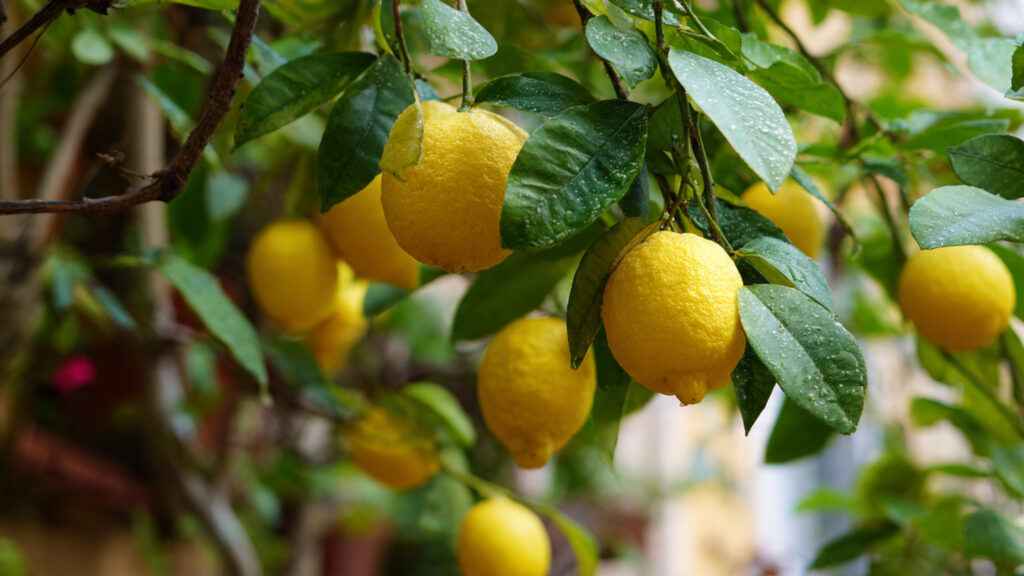
Lemon trees (Citrus limon) are one of the most rewarding fruit trees to grow in a home garden. Their bright, fragrant fruits, glossy evergreen leaves, and delicate blossoms make them both beautiful and practical. However, many gardeners struggle with slow growth, sparse fruiting, or unmanageable size. While watering, sunlight, and soil nutrition are important, there’s a secret weapon that can dramatically boost your lemon tree’s growth and productivity: regular pruning.
Pruning is often misunderstood as merely a cosmetic task, but it is a critical horticultural practice that influences your lemon tree’s overall health, vigor, and fruit production. When done correctly and consistently, pruning not only accelerates growth but also shapes the tree for easier care and higher yields.
Understanding Lemon Tree Growth
Lemon trees are naturally vigorous, especially in the first few years after planting. They grow in a branching, bushy pattern, producing both vegetative shoots (leaves and stems) and reproductive shoots (flowers and fruit). The key to fast and healthy growth is to balance these two types of development.
Without intervention, lemon trees may become overly dense, with crowded branches that shade one another. This leads to:
- Reduced light penetration
- Poor air circulation
- Increased susceptibility to pests and diseases
- Lower fruit production
Regular pruning helps maintain a healthy structure by removing unnecessary growth and redirecting the tree’s energy toward strong branches and productive shoots.
Benefits of Regular Pruning
Pruning is more than shaping the tree; it actively enhances growth and productivity. Here’s how:
1. Encourages Strong Branch Development
By trimming weak or overcrowded shoots, pruning encourages the development of strong, well-spaced branches. These branches are better equipped to support flowers and fruit without breaking under the weight.
2. Stimulates New Growth
When you remove old or unproductive branches, the tree responds by producing new shoots. These young shoots are often more vigorous and capable of higher fruit production. Pruning essentially “resets” parts of the tree, promoting a burst of growth.
3. Improves Light Penetration and Airflow
Pruning opens up the canopy, allowing sunlight to reach inner branches and leaves. Adequate sunlight is critical for photosynthesis, which fuels growth and fruit development. Improved airflow also reduces humidity within the canopy, minimizing fungal disease risks.
4. Controls Tree Size Naturally
Regular pruning prevents your lemon tree from becoming too tall or wide, making it easier to harvest and manage. A well-shaped tree can thrive in smaller garden spaces or containers without compromising fruit production.
When to Prune Lemon Trees
Timing is essential for effective pruning. While lemon trees can technically be pruned any time of year, the best times are:
- Late Winter to Early Spring: Before new growth begins, dormant pruning prepares the tree for a vigorous growing season.
- After Fruit Harvest: Light pruning immediately after harvesting helps maintain shape and encourages flowering for the next season.
- Summer (Optional): Light pruning in summer can control excessive growth, but heavy pruning during the peak growing season may stress the tree.
Avoid pruning during heavy flowering or fruiting stages, as this can reduce fruit yield and weaken the tree.
Tools for Pruning
Having the right tools makes pruning safer and more effective:
- Pruning Shears: For small branches and shoots. Keep them sharp to ensure clean cuts.
- Loppers: For medium-sized branches up to 2 inches in diameter.
- Pruning Saw: For thicker branches that cannot be handled with shears or loppers.
- Disinfectant: Clean tools with alcohol or a mild bleach solution to prevent disease transmission.
Step-by-Step Pruning for Accelerated Growth
1. Remove Dead, Diseased, or Damaged Wood
Begin by cutting away any dead, diseased, or damaged branches. These branches drain the tree’s energy and reduce overall health. Removing them early prevents pests and diseases from spreading.
2. Thin Out Crowded Branches
Identify branches that cross, rub against each other, or grow inward toward the tree’s center. Remove some of these to improve light penetration and airflow. Focus on leaving healthy, well-placed branches that form a strong framework.
➡️ How to Grow Malabar Spinach from Cuttings for Fast, Easy Greens
➡️ How to Grow Super Delicious Cabbage at Home Without a Garden
➡️ How to Grow Bean Sprouts at Home in Plastic Bottles Easily (Step‑by‑Step Guide)
➡️ Why is Your Lemon Tree Blooming in the Heart of Winter?
➡️ Why Should Your Garden Have a Dedicated Pollinator Highway?
➡️ Why Do Your Fruit Trees Need a Winter Wash to Thrive in Spring?
➡️ How Can Rice Water Transform Your Fruits into Sweeter Delights?
➡️ Jumpstart Your Winter Garden: Seed Starting Under Lights
3. Cut Back Long or Leggy Shoots
Lemon trees often produce tall, vertical shoots that are weak and unproductive. Shorten these shoots by one-third to one-half, depending on growth vigor. This encourages lateral branching, which produces more flowers and fruit.
4. Shape the Canopy
Aim for a balanced, open canopy that allows sunlight to reach all parts of the tree. A vase-shaped structure with evenly spaced branches is ideal. Avoid cutting more than 20–30% of the tree at once, as heavy pruning can shock the tree.
5. Remove Suckers and Water Sprouts
Suckers grow from the base or roots, while water sprouts grow straight up from branches. Both types consume energy that could go toward productive shoots. Regularly remove these to direct growth into fruitful branches.
Additional Techniques to Promote Growth
While pruning is the key to accelerating growth, combining it with other cultivation practices maximizes results:
1. Fertilization
Balanced fertilization supports vigorous growth. Use a citrus-specific fertilizer with nitrogen, phosphorus, and potassium. Nitrogen encourages leafy growth, phosphorus supports root and flower development, and potassium enhances fruit quality.
2. Proper Watering
Lemon trees need consistent moisture but should not be waterlogged. Deep, infrequent watering encourages strong root growth, which supports accelerated growth and fruiting.
3. Mulching
Apply organic mulch around the base of the tree to retain soil moisture, regulate temperature, and provide slow-release nutrients. Keep mulch a few inches away from the trunk to prevent rot.
4. Sunlight
Lemon trees require full sun—at least 6–8 hours per day. Proper sunlight ensures photosynthesis runs efficiently, fueling growth and fruit production.
5. Pest and Disease Management
Healthy trees grow faster. Regularly inspect for pests like aphids, scale insects, or spider mites, and address any fungal or bacterial issues promptly. Beneficial insects, neem oil, or horticultural soaps can reduce pest pressure naturally.
Pruning Young vs. Mature Trees
- Young Trees: Focus on developing a strong framework and balanced shape. Early pruning sets the foundation for vigorous growth in future years.
- Mature Trees: Emphasize thinning, removing deadwood, and controlling size. Mature trees benefit from periodic rejuvenation pruning, which stimulates new shoots and fruiting wood.
Signs of Successful Pruning
After regular pruning, a lemon tree should display:
- A balanced, open canopy
- Healthy, vibrant foliage
- Vigorous new shoot growth
- Increased flowering and fruit production
By observing these signs, you can fine-tune your pruning routine to maintain optimal growth year after year.
Common Mistakes to Avoid
- Over-pruning: Removing too much at once can stress the tree and reduce fruiting.
- Ignoring Deadwood: Dead or diseased branches left in the tree can spread pests and diseases.
- Pruning at the Wrong Time: Pruning during heavy flowering or fruiting may reduce harvests.
- Using Dirty Tools: Unclean tools can introduce pathogens that harm the tree.
Conclusion
Accelerating lemon tree growth is not about forcing the tree with chemicals or excessive watering. The secret lies in regular, thoughtful pruning combined with proper care. Pruning directs the tree’s energy into productive branches, encourages new shoots, improves light and air circulation, and maintains a manageable shape.
When paired with balanced fertilization, proper watering, sunlight, and pest management, regular pruning transforms a slow-growing or unproductive lemon tree into a vigorous, fruiting powerhouse. Both young and mature trees benefit from consistent pruning, setting the stage for a lifetime of healthy growth, abundant fruit, and a beautiful, well-shaped canopy.
By understanding your lemon tree’s growth habits and adopting a strategic pruning routine, you can enjoy faster growth, higher yields, and a tree that is easy to manage—turning your garden into a productive and visually stunning citrus haven.