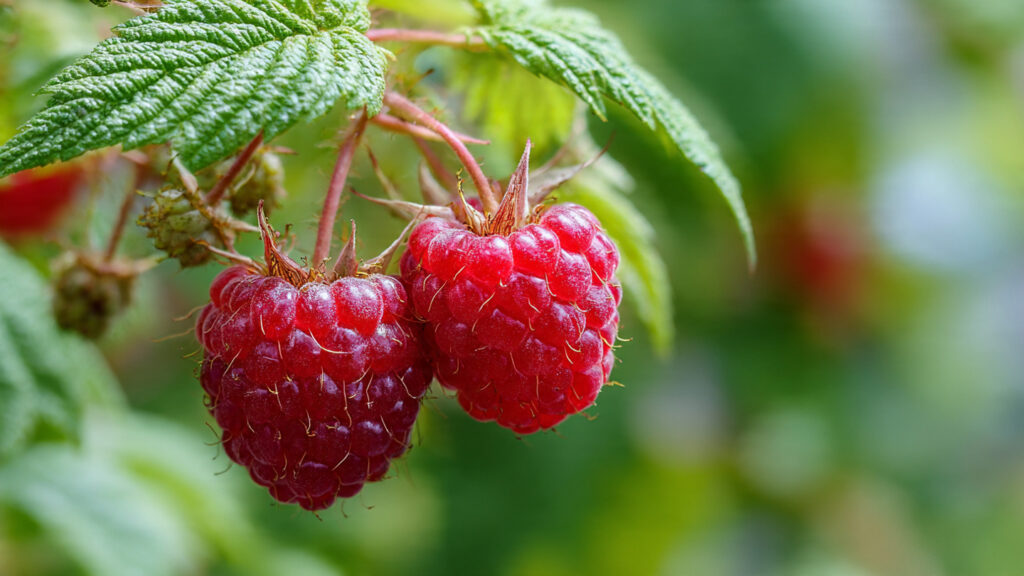
Raspberries are one of the most rewarding fruits to grow at home. Their vibrant red or golden berries burst with flavor, and harvesting fresh fruit straight from your garden is an unmatched pleasure. But many gardeners struggle with slow-growing plants or low yields. The good news is that with a few simple techniques, you can accelerate the growth of your raspberry plants and enjoy bountiful harvests year after year.
In this guide, we’ll explore practical strategies, from soil preparation to pruning, that encourage vigorous raspberry growth and ensure your plants thrive.
Understanding Raspberry Growth
Before diving into techniques, it’s important to understand how raspberries grow. Raspberry plants are perennial shrubs with a unique growth cycle. They produce two types of canes: primocanes (first-year canes) and floricanes (second-year canes that bear fruit). Managing these canes correctly is crucial to promoting rapid growth and consistent fruit production.
Raspberries grow best in full sunlight, well-drained soil, and areas with good air circulation. If your plants are not thriving, the issue often lies in soil quality, watering habits, or insufficient sunlight. Addressing these foundational factors can make a dramatic difference.
1. Choose the Right Variety
Selecting a raspberry variety suited to your climate is the first step toward rapid growth. Some varieties are naturally more vigorous than others. For example:
- Summer-bearing varieties produce a single crop on second-year canes. They require careful pruning to encourage strong primocanes for the next season.
- Ever-bearing varieties produce fruit on primocanes in the fall and on floricanes in summer. These varieties are often faster to establish because they bear fruit on new canes during the first year.
Check with local nurseries or gardening experts to determine which variety grows fastest and yields best in your region. Choosing the right variety ensures that your plants reach their full potential.
2. Prepare the Soil Properly
Healthy soil is the foundation of rapid raspberry growth. Raspberries prefer slightly acidic soil with a pH of 5.5 to 6.5. Before planting:
- Test your soil pH: Use a home soil testing kit or send a sample to a local agricultural extension.
- Amend the soil: If your soil is too alkaline, incorporate organic matter such as compost, peat moss, or well-rotted manure to balance the pH and improve fertility.
- Ensure good drainage: Raspberries do not like “wet feet.” Raised beds or mounded rows help prevent root rot and allow roots to expand quickly.
Properly prepared soil provides the nutrients and structure your raspberries need to grow rapidly from the very beginning.
3. Provide Adequate Watering
Water is a critical factor for rapid raspberry growth. Young raspberry plants need consistent moisture to develop strong root systems. However, overwatering can be just as damaging as underwatering.
- Deep watering: Water your plants slowly and deeply 1–2 times per week, depending on rainfall. Deep watering encourages roots to grow downward, leading to more resilient plants.
- Mulch to retain moisture: Applying a 2–4 inch layer of organic mulch around your plants reduces evaporation, suppresses weeds, and maintains steady soil moisture. Straw, shredded leaves, or wood chips work well.
Consistent moisture during the growing season can increase cane growth and ultimately result in larger, healthier fruit.
4. Feed Your Plants
Raspberries are nutrient-hungry, especially during rapid growth periods. Fertilizing correctly can make a huge difference in plant vigor.
- Early spring feeding: Apply a balanced fertilizer (10-10-10 NPK) in early spring as new growth emerges. This provides the energy your plants need to push strong primocanes.
- Additional feeding during growth: Once canes reach 12–18 inches tall, side-dress with compost or an organic fertilizer to maintain steady growth.
- Avoid over-fertilization: Too much nitrogen can lead to excessive leafy growth at the expense of flowers and fruit. Follow recommended rates for your plant variety.
A proper feeding schedule ensures your raspberry plants have the nutrients required to grow fast and produce abundant fruit.
5. Prune Strategically
Pruning is one of the most effective techniques to stimulate rapid growth. Many gardeners make the mistake of leaving old canes, which diverts energy away from new growth.
- Remove old floricanes: After harvesting summer-bearing raspberries, cut the spent floricanes to the ground. This encourages primocanes to grow vigorously.
- Thin new primocanes: Leave only the strongest canes spaced about 6–8 inches apart. Thinning improves air circulation, reduces disease, and allows remaining canes to grow faster.
- Pinch tips on primocanes: For certain varieties, pinching the tips of young primocanes when they reach 12–18 inches can encourage lateral branching, resulting in more fruiting sites.
Consistent and thoughtful pruning focuses your plant’s energy on the strongest, most productive canes.
6. Support Your Plants
Raspberry canes are tall and flexible, making them prone to bending or breaking. Providing support helps plants grow faster and healthier.
➡️ How to Grow Malabar Spinach from Cuttings for Fast, Easy Greens
➡️ How to Grow Super Delicious Cabbage at Home Without a Garden
➡️ How to Grow Bean Sprouts at Home in Plastic Bottles Easily (Step‑by‑Step Guide)
➡️ Why is Your Lemon Tree Blooming in the Heart of Winter?
➡️ Why Should Your Garden Have a Dedicated Pollinator Highway?
➡️ Why Do Your Fruit Trees Need a Winter Wash to Thrive in Spring?
➡️ How Can Rice Water Transform Your Fruits into Sweeter Delights?
➡️ Jumpstart Your Winter Garden: Seed Starting Under Lights
- Install trellises: Simple two-wire trellises guide canes upright, reducing stress on stems and improving air circulation.
- Tie canes loosely: Use soft ties to secure canes to supports without restricting growth. This keeps plants organized and prevents damage.
Proper support reduces energy wasted on damaged or tangled canes, allowing your raspberries to invest fully in growth.
7. Protect Against Pests and Disease
Pests and diseases can slow growth and reduce yields. Early prevention is key.
- Monitor regularly: Inspect leaves and canes for signs of aphids, spider mites, or fungal infections.
- Use organic solutions: Neem oil, insecticidal soap, and compost teas can help control pests without harming beneficial insects.
- Remove infected canes: Promptly cut out diseased canes to prevent spread and maintain vigorous growth.
Healthy plants grow faster and produce more fruit, so maintaining plant health is essential.
8. Encourage Proper Sunlight Exposure
Raspberries thrive in full sun. Insufficient sunlight leads to slow growth, poor fruiting, and weak canes.
- Choose the right location: Plant raspberries in a spot that receives at least 6–8 hours of direct sunlight daily.
- Prune surrounding vegetation: Remove overhanging branches or weeds that cast shade.
- Rotate planting areas: If you grow raspberries annually, rotating planting locations prevents soil depletion and ensures consistent sun exposure.
Sunlight is a natural growth accelerator, powering photosynthesis and fueling rapid development.
9. Use Mulching and Soil Management
Beyond moisture retention, mulch plays a role in rapid growth by keeping the soil temperature consistent and protecting roots from extreme conditions. Straw, wood chips, or shredded leaves create an ideal microenvironment for rapid root expansion.
Additionally, regularly adding organic matter improves soil structure, nutrient availability, and microbial activity—factors that all contribute to vigorous growth.
10. Consider Companion Planting
Certain companion plants can promote faster raspberry growth by improving soil health and deterring pests.
- Legumes such as clover or beans fix nitrogen in the soil, benefiting raspberries.
- Marigolds and nasturtiums deter harmful insects while attracting beneficial pollinators.
- Garlic or chives help prevent fungal infections around raspberry roots.
Strategic companion planting creates a supportive ecosystem that enhances plant growth naturally.
Conclusion
Achieving rapid growth for raspberry plants doesn’t require complicated or expensive techniques. By understanding your plant’s needs, choosing the right variety, providing nutrient-rich soil, proper watering, and practicing careful pruning, you can dramatically boost cane growth and fruit production. Supporting your plants, preventing disease, and ensuring adequate sunlight complete the picture for a thriving raspberry garden.
With patience and consistency, these simple techniques can transform your raspberry patch from slow-growing shrubs into a vibrant, productive garden. Year after year, your garden will reward you with luscious berries, abundant harvests, and the satisfaction of having cultivated fruit that grows faster, healthier, and more delicious than ever before.