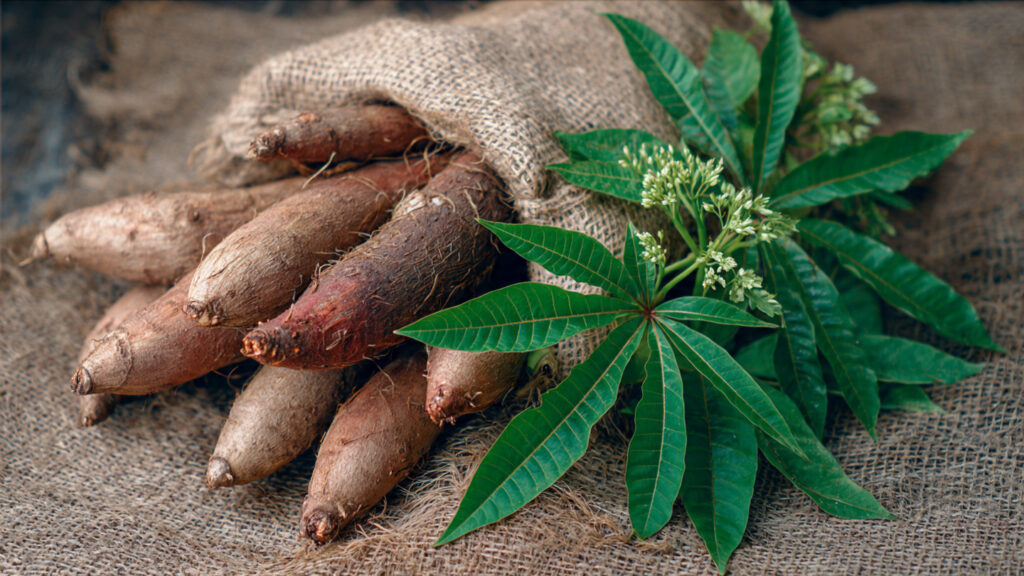
Cassava is one of the most important staple crops in tropical and subtropical regions. Known scientifically as Manihot esculenta, cassava is valued for its starchy tuberous roots, drought tolerance, and ability to grow in relatively poor soils. Whether you are a home gardener or a small-scale farmer, learning how to properly care for cassava can significantly improve root quality and overall yield.
This complete guide covers everything you need to know—from planting to harvesting—to help you grow strong plants with healthy, high-yielding roots.
Understanding Cassava Growth Basics
Cassava is a perennial woody shrub grown primarily for its underground storage roots. It thrives in warm climates with temperatures between 25–30°C (77–86°F). The plant grows best in areas with moderate rainfall but can tolerate drought conditions once established.
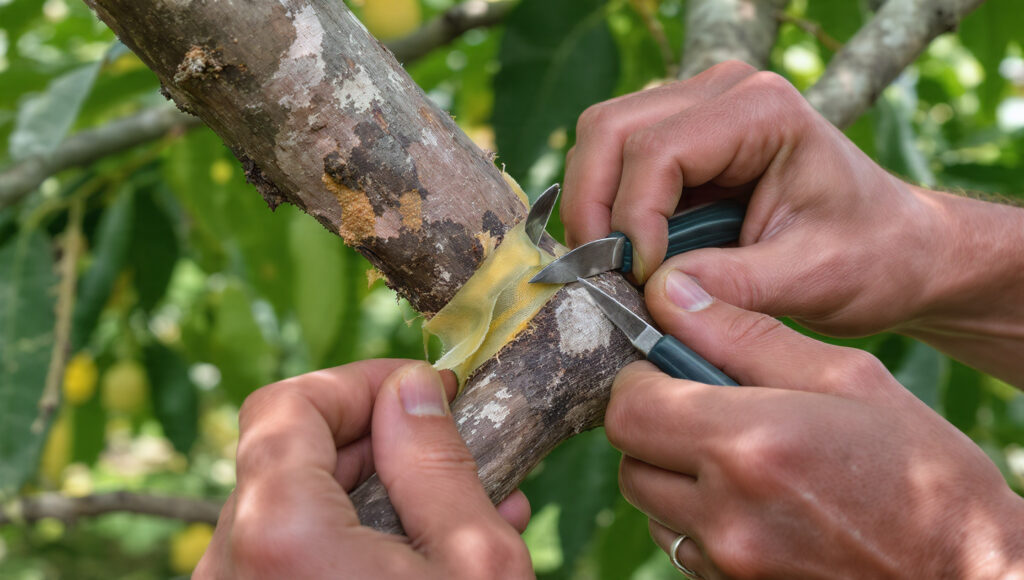
Unlike many root vegetables, cassava is not grown from seeds. Instead, it is propagated from stem cuttings. This makes it relatively easy to multiply once you have healthy planting material.
Choosing the Right Planting Material
Healthy stems are the foundation of a productive cassava crop.
What to Look For:
- Mature stems from 8–12-month-old plants
- Disease-free and pest-free material
- Thick, woody stems (not green or soft)
- 15–20 cm (6–8 inches) long cuttings
Using strong, mature cuttings increases the chances of vigorous growth and higher yields.
Preparing the Soil
Cassava is adaptable but performs best in well-draining soil. Poor drainage can lead to root rot and reduced yields.
Ideal Soil Conditions:
- Sandy loam or loamy soil
- pH between 5.5 and 6.5
- Good drainage
- Moderate organic matter
Before planting, loosen the soil to a depth of 20–30 cm (8–12 inches). Remove weeds and mix in compost or well-rotted manure to improve fertility.
Avoid heavy clay soils unless drainage is improved through raised beds or ridges.
Planting Cassava Properly
Correct planting techniques directly influence root development.
Step-by-Step Planting:
- Plant cuttings horizontally or at a slight angle.
- Bury about two-thirds of the cutting in soil.
- Space plants 1 meter (3 feet) apart.
- Leave adequate space between rows for airflow and maintenance.
Planting on ridges or mounds can improve drainage and encourage larger root formation.
Watering Requirements
Cassava is drought-tolerant, but adequate moisture during the early growth stage is essential.
Watering Guidelines:
- Water regularly during the first 2–3 months.
- Avoid waterlogging.
- Once established, cassava requires minimal irrigation.
Too much water can cause root diseases and reduce starch accumulation.
Fertilization for Maximum Yield
Although cassava grows in poor soils, fertilization significantly boosts productivity.
Key Nutrients:
- Nitrogen (N): Supports leaf growth.
- Phosphorus (P): Encourages root development.
- Potassium (K): Enhances root size and starch content.
A balanced fertilizer applied during early growth promotes strong establishment. Potassium is particularly important for improving tuber yield.
➡️ How to Grow Malabar Spinach from Cuttings for Fast, Easy Greens
➡️ How to Grow Super Delicious Cabbage at Home Without a Garden
➡️ How to Grow Bean Sprouts at Home in Plastic Bottles Easily (Step‑by‑Step Guide)
➡️ Why is Your Lemon Tree Blooming in the Heart of Winter?
➡️ Why Should Your Garden Have a Dedicated Pollinator Highway?
➡️ Why Do Your Fruit Trees Need a Winter Wash to Thrive in Spring?
➡️ How Can Rice Water Transform Your Fruits into Sweeter Delights?
➡️ Jumpstart Your Winter Garden: Seed Starting Under Lights
Organic alternatives like compost and wood ash can also improve soil fertility naturally.
Weed Control
Weeds compete with cassava for nutrients and water, especially in the first three months.
Best Practices:
- Remove weeds regularly.
- Use mulch to suppress weed growth.
- Avoid deep cultivation that may damage roots.
Early weed management ensures the plant focuses energy on root development.
Pruning and Plant Management
Cassava generally requires minimal pruning. However, removing diseased or damaged leaves helps maintain plant health.
If the plant grows excessively tall, light pruning can redirect energy toward root development rather than foliage growth.
Pest and Disease Management
While cassava is hardy, it can still be affected by pests and diseases.
Common Issues:
- Cassava mosaic disease
- Mealybugs
- Spider mites
- Root rot
To minimize problems:
- Use disease-free planting material.
- Rotate crops each season.
- Maintain proper spacing for airflow.
- Remove and destroy infected plants promptly.
Integrated pest management practices help protect your crop naturally.
Supporting Strong Root Development
Healthy roots are the ultimate goal when growing cassava.
Tips for Strong Roots:
- Ensure consistent sunlight (at least 6–8 hours daily).
- Maintain proper spacing.
- Avoid over-fertilizing with nitrogen.
- Prevent waterlogging.
Excess nitrogen may produce lush leaves but smaller roots, so balance is key.
Harvesting Cassava at the Right Time
Cassava is typically ready for harvest 8–12 months after planting, depending on variety and growing conditions.
Signs of Maturity:
- Yellowing lower leaves
- Thickened stem base
- Desired root size
To harvest:
- Loosen soil around the plant carefully.
- Pull the stem gently while lifting roots from the ground.
- Avoid damaging roots during removal.
Freshly harvested cassava should be processed or consumed quickly, as roots deteriorate rapidly after harvesting.
Post-Harvest Handling
Cassava roots are highly perishable. After harvest:
- Store in a cool, shaded area.
- Process into flour or starch if not used immediately.
- Keep unpeeled roots dry to extend shelf life slightly.
Proper handling reduces spoilage and maintains quality.
Growing Cassava in Containers
While traditionally grown in fields, cassava can also grow in large containers.
Requirements:
- Large pot (at least 18–24 inches deep).
- Rich, well-draining soil.
- Full sun exposure.
- Consistent watering during early growth.
Container-grown cassava may produce slightly smaller yields but is suitable for home gardeners with limited space.
Climate Considerations
Cassava thrives in tropical climates but can grow in subtropical areas with warm temperatures.
Ideal conditions include:
- Warm temperatures year-round
- Moderate rainfall
- Protection from frost
Cassava is sensitive to cold. Even light frost can damage plants severely.
Crop Rotation and Sustainability
To maintain soil health:
- Rotate cassava with legumes or other crops.
- Avoid planting in the same location repeatedly.
- Incorporate organic matter regularly.
Sustainable practices ensure long-term productivity and prevent soil depletion.
Common Mistakes to Avoid
Even experienced growers sometimes face challenges.
Avoid these common errors:
- Using immature stem cuttings
- Planting in poorly drained soil
- Ignoring weed control
- Overwatering
- Applying excessive nitrogen
Correcting these mistakes significantly improves root size and overall yield.
Benefits of Growing Cassava
Cassava offers numerous advantages:
- High carbohydrate yield per plant
- Drought resistance
- Adaptability to poor soils
- Versatile culinary uses
From flour and tapioca to boiled roots and animal feed, cassava provides valuable food security in many regions.
Final Thoughts
Caring for cassava properly ensures healthy roots and maximum yield. By selecting quality stem cuttings, preparing well-draining soil, managing weeds, balancing nutrients, and harvesting at the right time, you can enjoy a productive and successful crop.
With patience and consistent care, cassava can become a reliable, high-yielding addition to your garden or farm. Its resilience, versatility, and nutritional value make it one of the most rewarding root crops to grow.