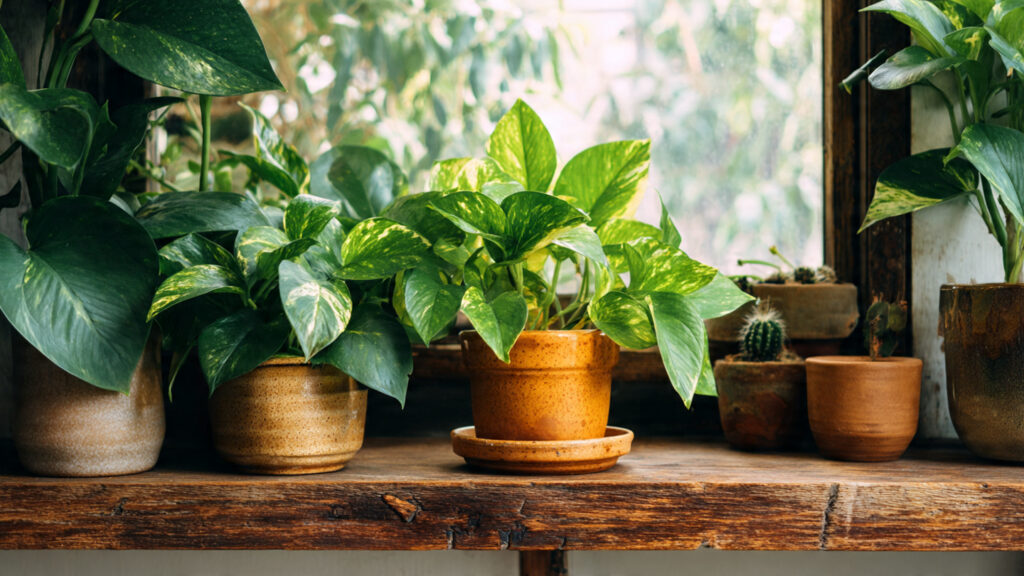
Pothos plants, also known as Devil’s Ivy, are among the most popular houseplants in the world. Their lush green leaves, trailing vines, and resilience make them ideal for both beginners and experienced plant enthusiasts. But while Pothos are famously low-maintenance, plant experts agree that proper care ensures vibrant foliage, healthy growth, and long-lasting beauty.
This guide will explore everything you need to know about how to care for Pothos plants the right way, from watering and light requirements to pruning, propagation, and pest management.
Why Pothos Plants Are Perfect for Any Home
Pothos have earned their reputation as a houseplant favorite for several reasons:
- Low Maintenance: They thrive in a variety of conditions and can tolerate occasional neglect.
- Air Purifying: NASA studies show Pothos can filter indoor toxins such as formaldehyde, benzene, and xylene.
- Versatile Growth: Pothos can trail, climb, or cascade, making them perfect for shelves, hanging baskets, or trellises.
- Aesthetic Appeal: Varieties like Golden Pothos, Marble Queen, and Neon Pothos bring color and texture to any interior.
Reality Check: While easy to care for, Pothos still need attention to prevent yellowing leaves, root rot, or stunted growth.
Choosing the Right Location
Plant experts emphasize the importance of light for healthy Pothos growth:
- Indirect sunlight: Pothos thrive in bright, indirect light. Direct sun can scorch leaves, while too little light slows growth and dulls variegation.
- Low light tolerance: Pothos can survive in low-light areas like offices or bathrooms, but growth may be slower, and leaf colors may fade.
- Artificial light: Fluorescent or LED lights can supplement natural light for Pothos in darker spaces.
Pro Tip: Rotate your plant every few weeks to ensure even growth and prevent lopsided vines.
Watering Your Pothos the Right Way
Overwatering is one of the most common mistakes made by beginners. Plant experts recommend a careful watering routine:
- Check soil moisture: Water only when the top 2 inches of soil feel dry to the touch.
- Avoid standing water: Use pots with drainage holes to prevent root rot.
- Water thoroughly: Ensure water reaches the roots, but allow excess to drain out.
Reality Check: Pothos can survive occasional drought, but consistent overwatering is far more harmful than under-watering.
Choosing the Right Soil
Healthy soil is the foundation of a thriving Pothos plant. Experts recommend:
- Well-draining potting mix: Use a standard indoor plant mix with added perlite or sand for aeration.
- Avoid heavy garden soil: Dense soil retains too much moisture and increases the risk of root rot.
- Repotting every 1–2 years: Refreshing soil prevents nutrient depletion and supports vigorous growth.
Pro Tip: A layer of pebbles at the bottom of the pot is optional; experts note that proper drainage is more important than creating a water reservoir.
Fertilizing for Healthy Growth
While Pothos are low feeders, proper fertilization supports vibrant foliage:
- Frequency: Apply a balanced, water-soluble fertilizer every 4–6 weeks during the growing season (spring and summer).
- Strength: Use half-strength fertilizer to avoid burning the roots.
- Dormant season: Reduce or stop fertilization in fall and winter when growth slows.
Reality Check: Too much fertilizer can cause brown leaf tips and weak, leggy growth.
Pruning and Maintenance
Pruning is essential for maintaining a healthy and attractive Pothos plant:
- Remove yellowing or dead leaves: This encourages new growth and improves appearance.
- Trim vines: Cut back overgrown or leggy stems to promote bushier growth.
- Use clean tools: Sterilize scissors or pruning shears to prevent spreading disease.
Pro Tip: Cut just above a leaf node—the point where leaves emerge—to stimulate branching.
Propagating Pothos
One of the most rewarding aspects of Pothos care is propagation, which experts say is easy for beginners:
➡️ How to Grow Malabar Spinach from Cuttings for Fast, Easy Greens
➡️ How to Grow Super Delicious Cabbage at Home Without a Garden
➡️ How to Grow Bean Sprouts at Home in Plastic Bottles Easily (Step‑by‑Step Guide)
➡️ Why is Your Lemon Tree Blooming in the Heart of Winter?
➡️ Why Should Your Garden Have a Dedicated Pollinator Highway?
➡️ Why Do Your Fruit Trees Need a Winter Wash to Thrive in Spring?
➡️ How Can Rice Water Transform Your Fruits into Sweeter Delights?
➡️ Jumpstart Your Winter Garden: Seed Starting Under Lights
- Stem cuttings: Cut 4–6 inch sections with at least 2–3 leaves.
- Water propagation: Place cuttings in water until roots develop, usually 2–4 weeks.
- Planting: Once roots are 1–2 inches long, transfer cuttings to soil for continued growth.
Pro Tip: Use a clear container for water propagation to monitor root development and prevent stagnant water.
Controlling Pests and Diseases
Pothos are relatively pest-resistant but can occasionally face problems:
- Common pests: Spider mites, mealybugs, and scale insects.
- Detection: Look for yellowing leaves, webbing, or sticky residue.
- Treatment: Wipe leaves with a damp cloth, apply insecticidal soap, or isolate infected plants.
- Fungal issues: Overwatering can lead to root rot or leaf spot diseases. Ensure proper drainage and avoid wetting leaves.
Reality Check: Healthy, well-maintained Pothos are less likely to face pest or disease problems. Prevention is easier than cure.
Supporting Your Pothos
Pothos plants can grow long and trailing. Providing support helps maintain aesthetics and plant health:
- Trellises or moss poles: Encourage climbing and upright growth.
- Hanging baskets: Perfect for cascading vines without taking up floor space.
- Regular rearrangement: Rotate and reposition vines to prevent tangling and encourage even growth.
Pro Tip: Training Pothos to climb vertical supports can create a dramatic, lush look in any room.
Seasonal Care Tips
Pothos growth varies with the seasons:
- Spring and summer: Increased light and warmth support rapid growth; fertilize regularly and prune as needed.
- Fall and winter: Growth slows; reduce watering and stop fertilizing to avoid stressing the plant.
Pro Tip: Indoor Pothos benefit from occasional misting in dry winter air, especially near heaters or vents.
Common Mistakes to Avoid
Experts highlight common pitfalls for Pothos care:
- Overwatering: Leads to yellow leaves and root rot.
- Under-lighting: Faded leaves and slow growth occur in insufficient light.
- Ignoring pruning: Leggy vines reduce overall plant health and aesthetics.
- Crowded pots: Roots confined too tightly can stunt growth; repot when necessary.
- Neglecting pests: Early detection prevents infestations from spreading.
By understanding and avoiding these mistakes, your Pothos can thrive for years with minimal effort.
Conclusion
Pothos plants are a fantastic addition to any home, offering low-maintenance greenery, air-purifying benefits, and versatile design options. By following expert advice—providing proper light, watering carefully, using well-draining soil, pruning regularly, and propagating thoughtfully—you can enjoy vibrant, healthy Pothos vines year-round.
Whether you let them cascade from shelves, climb moss poles, or hang in baskets, Pothos bring life and style to any space. With a little attention and the right techniques, even novice plant parents can cultivate thriving, lush Pothos plants that are the envy of every green thumb in the neighborhood.