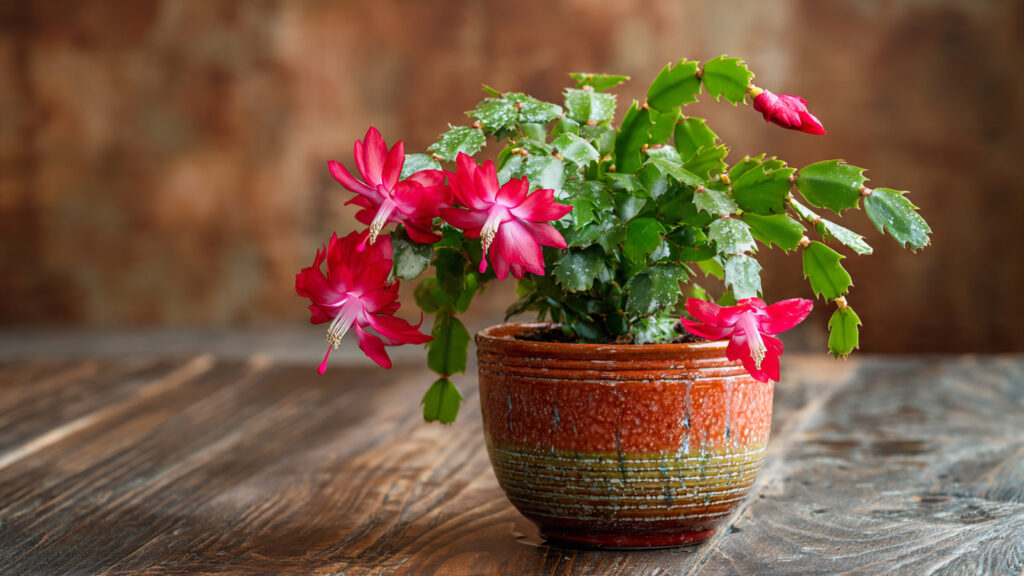
The Christmas cactus, with its beautiful, vibrant blooms, is a holiday favorite. But as the festive season ends, many people are left wondering how to care for their plant so it remains healthy and blooms again next year. Proper post-holiday care is essential to keep your Christmas cactus thriving. This guide will provide a complete care routine to ensure your plant continues to flourish long after the decorations are packed away.
Understanding the Christmas Cactus
Christmas cacti (Schlumbergera spp.) are tropical plants native to the rainforests of Brazil. Unlike desert cacti, they thrive in humid environments with indirect light. Their natural growth cycle includes periods of dormancy and bloom, which means your care routine should adjust with the seasons.
Key characteristics:
- Segments (phylloclades): Flattened stems that store water and nutrients.
- Blooming: Typically occurs in late fall to early winter.
- Dormancy: After flowering, the plant rests, allowing energy to build for the next bloom.
Understanding this cycle is crucial for post-holiday care.
Step 1: Remove Spent Blooms
Once the holiday season is over and flowers begin to fade:
- Prune faded flowers carefully to prevent the plant from wasting energy.
- Avoid cutting healthy stem segments—focus only on flower bases.
- Dispose of removed blooms to prevent disease and pests.
By removing spent blooms, you encourage the plant to focus energy on root and stem development rather than trying to sustain dying flowers.
Step 2: Adjust Watering
During the holidays, Christmas cacti often receive more attention, sometimes leading to overwatering. After flowering:
- Reduce watering slightly while the plant rests.
- Water when the top inch of soil feels dry.
- Avoid letting water collect in the saucer, which can lead to root rot.
Proper watering is essential for maintaining healthy root systems and preparing the plant for the next growth phase.
Step 3: Maintain Proper Lighting
Christmas cacti thrive in bright, indirect light. Post-holiday care tips for lighting:
- Move the plant away from harsh direct sunlight, which can scorch leaves.
- A north- or east-facing window provides the ideal light conditions.
- If natural light is limited, consider a fluorescent or LED grow light for 6–8 hours daily.
Adequate light encourages healthy stem growth and sets the stage for next season’s blooms.
Step 4: Fertilize for Recovery
After flowering, your Christmas cactus enters a recovery phase. Fertilization supports healthy growth and prepares the plant for future blooms.
- Use a balanced, water-soluble fertilizer (e.g., 20-20-20) every 2–4 weeks.
- Avoid high-nitrogen fertilizers, which promote leafy growth at the expense of blooms.
- Reduce or stop fertilizing during dormancy (usually late winter to early spring).
Regular, moderate feeding strengthens the plant and enhances bloom potential for the following holiday season.
Step 5: Repotting (Every 2–3 Years)
Christmas cacti prefer slightly root-bound pots, but eventually, they outgrow their containers. Repotting helps maintain soil health:
- Choose a pot slightly larger than the current one, with good drainage holes.
- Use a well-draining mix such as cactus or succulent soil combined with orchid bark.
- Gently remove the plant from the old pot, trimming damaged roots if necessary.
- Repot and water lightly to reduce transplant shock.
Repotting after the holidays gives your cactus fresh soil and room for growth, leading to stronger blooms in the next season.
Step 6: Control Temperature and Humidity
Christmas cacti are tropical plants that prefer:
➡️ How to Grow Malabar Spinach from Cuttings for Fast, Easy Greens
➡️ How to Grow Super Delicious Cabbage at Home Without a Garden
➡️ How to Grow Bean Sprouts at Home in Plastic Bottles Easily (Step‑by‑Step Guide)
➡️ Why is Your Lemon Tree Blooming in the Heart of Winter?
➡️ Why Should Your Garden Have a Dedicated Pollinator Highway?
➡️ Why Do Your Fruit Trees Need a Winter Wash to Thrive in Spring?
➡️ How Can Rice Water Transform Your Fruits into Sweeter Delights?
➡️ Jumpstart Your Winter Garden: Seed Starting Under Lights
- Day temperatures: 65–75°F (18–24°C)
- Night temperatures: 55–65°F (13–18°C)
- Humidity: 50–60%
During post-holiday care:
- Avoid placing the plant near heating vents or drafty windows.
- Increase humidity using a tray with water and pebbles or a room humidifier.
- Stable temperatures prevent stress, which can delay bloom cycles.
Maintaining these conditions ensures your plant recovers quickly and stays healthy throughout the year.
Step 7: Prune to Encourage Growth
Pruning stimulates branching and results in fuller, more vibrant plants. After flowering:
- Pinch or cut off 1–2 segments from the ends of each stem.
- Avoid over-pruning, which can stress the plant.
- The new growth that develops during spring will create more flowering sites for next winter.
Pruning not only shapes the plant but also maximizes bloom density and visual appeal.
Step 8: Monitor for Pests and Diseases
Post-holiday care is the perfect time to inspect your Christmas cactus for pests or disease:
- Common pests: Mealybugs, spider mites, and scale insects.
- Symptoms: Sticky residue, webbing, or yellowing leaves.
- Treatment: Wipe leaves with a damp cloth, use insecticidal soap, or apply neem oil.
Regular inspection prevents minor infestations from becoming major issues that could compromise plant health.
Step 9: Prepare for Dormancy
After blooms fade, Christmas cacti need a period of dormancy to set the stage for future flowering:
- Reduce watering and stop fertilizing.
- Keep the plant in cooler conditions (around 55–60°F).
- Minimize disturbances such as moving or repotting during this period.
Dormancy encourages the development of flower buds, ensuring that your cactus blooms beautifully during the next holiday season.
Step 10: Encourage Future Blooms
To ensure your Christmas cactus blooms reliably next year:
- Provide long nights (12–14 hours of darkness) during late fall. This mimics natural conditions and triggers flowering.
- Keep plants slightly cool and out of direct heat or drafty areas.
- Resume light watering and fertilization about 6–8 weeks before the expected bloom period.
By following these steps, you can enjoy consistent, vibrant blooms year after year.
Tips for Year-Round Care
- Rotate the plant occasionally to maintain even growth.
- Dust leaves gently to improve photosynthesis.
- Support heavy branches with stakes to prevent breakage.
- Keep a consistent routine with watering, light, and feeding for optimal health.
These small practices ensure your Christmas cactus remains healthy, attractive, and blooming consistently.
Common Mistakes to Avoid
- Overwatering or allowing the plant to sit in water.
- Exposing it to direct, harsh sunlight post-holidays.
- Fertilizing excessively or using the wrong type of fertilizer.
- Ignoring pests or disease signs.
- Disturbing the plant during dormancy.
Avoiding these mistakes guarantees that your Christmas cactus thrives long after the festive season.
Conclusion
Caring for your Christmas cactus after the holidays is just as important as nurturing it during the festive season. By adjusting watering, providing proper light, fertilizing appropriately, pruning, repotting, and preparing for dormancy, you ensure that your plant remains healthy, vibrant, and ready to bloom next year.
With consistent care and attention, your Christmas cactus will reward you with lush, colorful blooms year after year, making it a centerpiece of your home long beyond the holiday season.