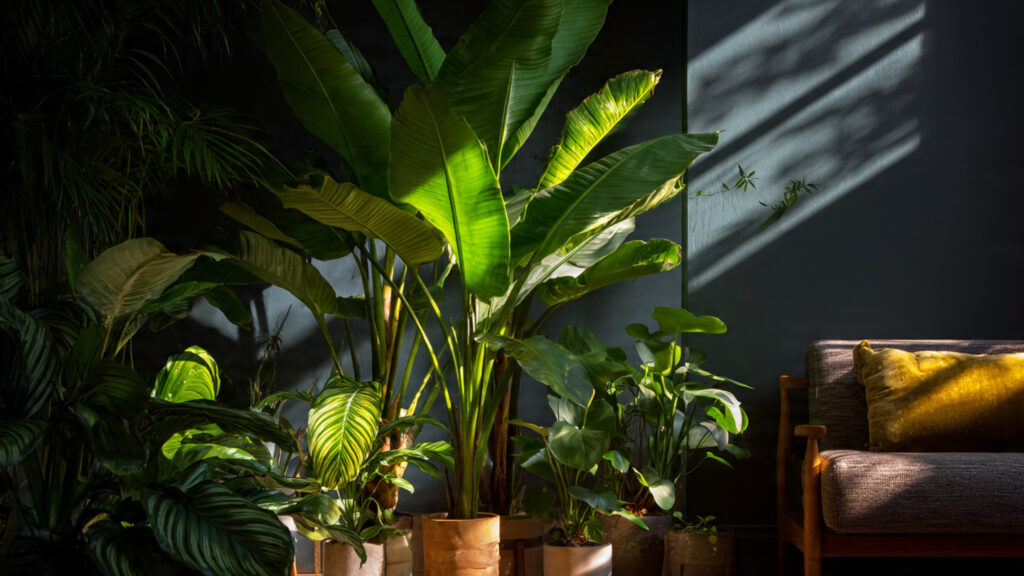
Houseplants bring life, color, and a touch of nature into our homes, but one of the biggest challenges for indoor gardeners is providing the right light conditions. While some plants tolerate low light, most thriving houseplants—like pothos, peace lilies, and fiddle-leaf figs—prefer bright, indirect light. Too much direct sun can scorch leaves, while insufficient light can stunt growth or cause yellowing.
In this guide, we’ll explore how to create bright, indirect light for your houseplants, why it’s essential, and practical tips for ensuring your indoor garden thrives all year round.
Why Bright, Indirect Light Matters
Light is the energy source for plants. Through photosynthesis, plants convert sunlight into energy, producing growth, flowers, and healthy foliage. However, the intensity and direction of light matter:
- Bright, indirect light mimics the conditions many tropical plants experience in nature—filtered sunlight under tree canopies.
- Direct sunlight can scorch sensitive leaves, causing brown spots or bleaching.
- Low light slows growth, causes leggy stems, and reduces flowering.
Creating the right balance ensures your houseplants stay vibrant, strong, and full of life.
Signs Your Plants Need Bright, Indirect Light
Before adjusting your lighting setup, it’s important to identify signs of light deficiency or excess:
- Too little light: Pale or yellow leaves, elongated stems, slow growth, or no flowers.
- Too much direct light: Scorched leaf edges, brown spots, curling leaves, or faded colors.
- Healthy bright indirect light: Deep green, firm leaves, compact growth, and regular flowering (if applicable).
Observing these cues will help you adjust placement and artificial light to suit your plants’ needs.
Natural Sources of Bright, Indirect Light
1. East- or North-Facing Windows
East-facing windows provide gentle morning sunlight, ideal for sensitive tropical plants. North-facing windows receive consistent but softer light, perfect for plants that require bright, indirect exposure without the risk of scorching.
Tip: Place your plants a few feet from the window to diffuse the light and avoid direct beams.
2. Sheer Curtains or Blinds
If you have south- or west-facing windows with intense sunlight, sheer curtains or venetian blinds can filter the light. This creates a soft, bright glow that keeps your plants healthy while preventing sunburn.
- White or light-colored curtains work best to diffuse light evenly.
- Adjust blinds to control the angle of light throughout the day.
This method is perfect for living rooms, kitchens, or sunrooms where direct sun is unavoidable.
3. Reflective Surfaces
Using reflective surfaces—like white walls, mirrors, or light-colored furniture—can bounce light onto your plants, effectively increasing brightness without exposing them to direct sun.
Example: Position a plant near a white wall that faces a sunny window. The reflected light enhances photosynthesis without harming the leaves.
Creating Artificial Bright, Indirect Light
Sometimes natural light is insufficient, especially during winter months or in apartments with limited window access. In these cases, artificial lighting is a reliable solution.
1. LED Grow Lights
LED grow lights are energy-efficient and designed to provide the full spectrum of light that plants need for growth. They can be positioned above plants to mimic natural sunlight.
Tips:
➡️ How to Grow Malabar Spinach from Cuttings for Fast, Easy Greens
➡️ How to Grow Super Delicious Cabbage at Home Without a Garden
➡️ How to Grow Bean Sprouts at Home in Plastic Bottles Easily (Step‑by‑Step Guide)
➡️ Why is Your Lemon Tree Blooming in the Heart of Winter?
➡️ Why Should Your Garden Have a Dedicated Pollinator Highway?
➡️ Why Do Your Fruit Trees Need a Winter Wash to Thrive in Spring?
➡️ How Can Rice Water Transform Your Fruits into Sweeter Delights?
➡️ Jumpstart Your Winter Garden: Seed Starting Under Lights
- Use adjustable hangers to set the light 12–24 inches above plants.
- Provide 12–16 hours of light per day for most tropical houseplants.
- Choose “full-spectrum” LEDs for optimal growth and color retention.
2. Fluorescent or Tube Lights
Fluorescent lights are another affordable option. They provide bright, diffuse light that works well for low- to medium-light plants.
Placement: Position fluorescent lights about 6–12 inches above the plants and leave them on for 12–14 hours daily.
3. Desk or Clip-On Grow Lamps
For smaller plants or limited space, desk lamps or clip-on lights with full-spectrum bulbs can create bright, indirect lighting.
- Ideal for shelves, countertops, or corners without windows.
- Ensure the light is bright enough without creating heat that could damage leaves.
Strategic Placement for Thriving Plants
Correct placement is crucial for achieving bright, indirect light:
- Avoid direct sunlight for sensitive plants like calatheas, ferns, and peace lilies.
- Rotate plants every few weeks so all sides receive balanced light.
- Group plants together near a bright window to create a microenvironment that maximizes light distribution.
- Elevate plants using shelves, plant stands, or hanging planters to catch reflected light from walls and ceilings.
Combining Natural and Artificial Light
For the best results, many indoor gardeners combine both natural and artificial sources. For example:
- Place your plant near a filtered window for morning sunlight.
- Supplement with a grow light during cloudy days or evenings.
- Adjust lighting duration seasonally to mimic natural growth cycles.
This approach ensures your plants receive consistent, bright, indirect light year-round.
Tips for Maintaining Healthy Plants in Indirect Light
Even with proper lighting, other factors contribute to thriving houseplants:
- Monitor soil moisture: Plants in indirect light may require less frequent watering than those in direct sun.
- Fertilize appropriately: Balanced, water-soluble fertilizer supports growth, especially when light levels are lower in winter.
- Keep leaves clean: Dust can block light absorption. Wipe leaves gently with a damp cloth.
- Watch for signs of stress: Yellowing leaves, drooping, or slow growth may indicate insufficient light even in indirect conditions.
Regular observation ensures your plants continue to flourish in their environment.
Popular Houseplants That Thrive in Bright, Indirect Light
- Fiddle-Leaf Fig (Ficus lyrata): Prefers filtered sunlight near east or west windows.
- Peace Lily (Spathiphyllum): Tolerates low light but grows best with bright, indirect light.
- Monstera Deliciosa: Needs bright, filtered light to develop its iconic leaf splits.
- Pothos (Epipremnum aureum): Hardy, adapts to indirect light, and grows quickly.
- Calathea: Tropical foliage plant that thrives with bright, diffused light but no direct sun.
Choosing the right plant for your light conditions ensures long-term success.
Conclusion: Bright, Indirect Light Made Simple
Creating bright, indirect light for your houseplants doesn’t have to be complicated. By understanding your plants’ needs, using filtered natural light, supplementing with artificial sources, and placing your plants strategically, you can mimic their natural environment and encourage healthy growth.
Remember these key takeaways:
- Observe your plants for signs of too much or too little light.
- Use curtains, blinds, or reflective surfaces to diffuse sunlight.
- Supplement with LED, fluorescent, or clip-on grow lights when necessary.
- Rotate and group plants to optimize light exposure.
With consistent attention and proper placement, your houseplants will flourish, producing vibrant foliage and, where applicable, beautiful flowers. Bright, indirect light is the secret to a healthy, thriving indoor garden that brings joy and life to your home every day.