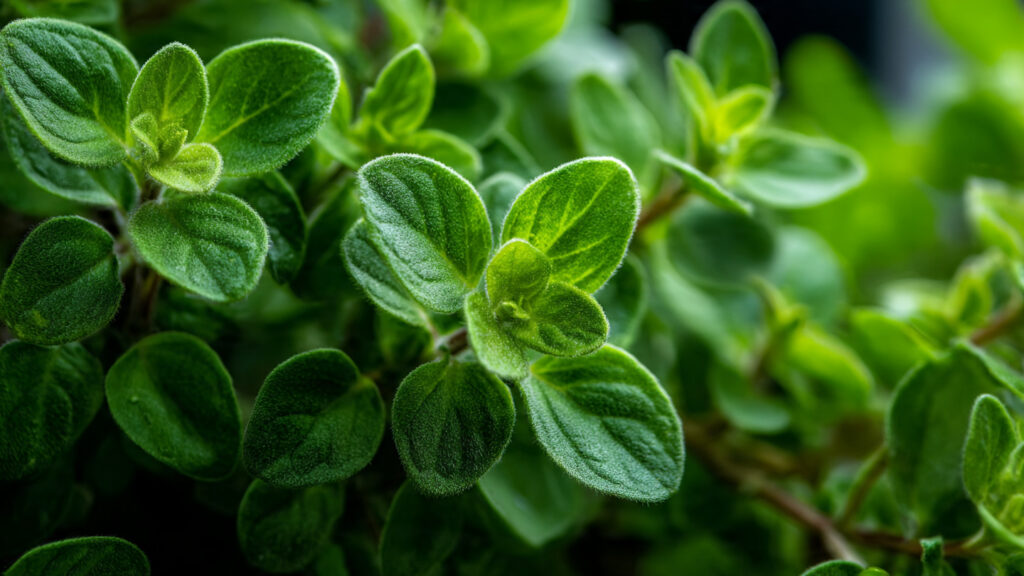
Few herbs bring as much versatility, aroma, and flavor to the kitchen as Origanum vulgare. From Italian sauces and Mediterranean dishes to herbal teas and medicinal remedies, oregano’s pungent, earthy flavor enhances a wide range of recipes. However, to enjoy the herb at its fullest potential, it’s essential to cultivate oregano plants that are lush, dense, and full of aromatic oils. A neglected or spindly plant may survive but will rarely offer the robust flavor that makes oregano a staple in home kitchens.
This comprehensive guide will explore all aspects of growing oregano for maximum flavor and aroma, covering soil preparation, planting methods, watering and fertilization strategies, pruning techniques, pest management, and harvesting practices. By following these steps, gardeners can enjoy a thriving oregano plant that produces flavorful leaves throughout the growing season.
Understanding Oregano and Its Growth Habits
Oregano is a hardy perennial herb native to the Mediterranean region. Known for its aromatic leaves, oregano grows in low, bushy clumps and produces small, delicate flowers in shades of white, pink, or purple. It thrives in full sun, well-draining soil, and slightly arid conditions, which concentrate its essential oils and enhance flavor.
Key Growth Traits:
- Drought-tolerant once established.
- Prefers full sun but tolerates partial shade.
- Spreads moderately via stems and roots, forming dense clumps over time.
- Produces small clusters of aromatic leaves ideal for culinary use.
Understanding these traits helps you mimic oregano’s natural environment and encourages strong, flavorful growth.
Choosing the Right Oregano Variety
Not all oregano varieties are created equal. Selecting the right type is essential for flavor, aroma, and growth habit. Popular culinary varieties include:
- Greek Oregano (Origanum vulgare var. hirtum): Intensely aromatic, ideal for cooking.
- Italian Oregano: Slightly milder, perfect for sauces and pizza.
- Mexican Oregano (Lippia graveolens): Strong citrusy aroma, commonly used in Latin dishes.
- Golden Oregano: Variegated leaves, adds visual appeal to gardens and containers.
Choosing a variety suited to your climate and culinary preferences ensures a plant that thrives and produces maximum flavor.
Preparing the Soil for Lush Growth
Healthy, nutrient-rich soil is critical for cultivating oregano that is dense, vibrant, and aromatic.
Soil Requirements:
- Drainage: Oregano does not tolerate waterlogged soil; sandy or loamy soil is ideal.
- pH Level: Slightly acidic to neutral (6.0–7.0).
- Fertility: Moderate fertility is best; excessive nitrogen encourages foliage but reduces essential oil concentration, dulling flavor.
Preparation Steps:
- Loosen soil to a depth of 8–10 inches to allow root expansion.
- Incorporate compost or well-rotted manure to improve texture and nutrient content.
- Add coarse sand or perlite if drainage is poor.
- For containers, mix equal parts potting soil, compost, and sand for optimal growth.
Proper soil preparation lays the foundation for vigorous, full plants that deliver maximum aroma.
Planting Oregano
Oregano can be grown from seeds, cuttings, or nursery plants. Each method has advantages:
- Seeds: Economical, but slow to germinate (7–14 days). Sow indoors 6–8 weeks before the last frost, then transplant seedlings.
- Cuttings: Fast, reliable propagation. Place 3–4 inch cuttings in moist soil or water until roots develop, then transplant.
- Nursery Plants: Ideal for instant results and faster establishment.
Planting Tips:
- Space plants 12–18 inches apart to allow airflow and prevent overcrowding.
- Plant at the same depth as in the container or nursery.
- Water immediately after planting to settle the soil.
Watering Practices
While drought-tolerant, oregano performs best with consistent, moderate watering.
Watering Guidelines:
➡️ How to Grow Malabar Spinach from Cuttings for Fast, Easy Greens
➡️ How to Grow Super Delicious Cabbage at Home Without a Garden
➡️ How to Grow Bean Sprouts at Home in Plastic Bottles Easily (Step‑by‑Step Guide)
➡️ Why is Your Lemon Tree Blooming in the Heart of Winter?
➡️ Why Should Your Garden Have a Dedicated Pollinator Highway?
➡️ Why Do Your Fruit Trees Need a Winter Wash to Thrive in Spring?
➡️ How Can Rice Water Transform Your Fruits into Sweeter Delights?
➡️ Jumpstart Your Winter Garden: Seed Starting Under Lights
- Keep soil evenly moist during the first few weeks after planting.
- Once established, water when the top 1–2 inches of soil feel dry.
- Avoid overwatering, which can lead to root rot and reduce essential oil concentration.
- Mulch lightly with organic material to retain moisture and regulate soil temperature.
Proper watering balances growth and flavor concentration.
Fertilization for Maximum Flavor
Oregano develops the most aromatic leaves when grown in moderately fertile soil with careful feeding:
- Avoid over-fertilizing: Too much nitrogen produces soft, leafy plants with diluted flavor.
- Balanced nutrition: Use a slow-release, low-nitrogen fertilizer or compost tea every 4–6 weeks during the growing season.
- Micronutrients: Magnesium and calcium support strong stems and healthy foliage.
Balanced nutrition encourages dense foliage, robust flavor, and high essential oil content.
Pruning and Encouraging Bushiness
Pruning is essential for maintaining a full, lush oregano plant. Regular pruning stimulates lateral growth, creating dense, aromatic foliage.
Pruning Techniques:
- Pinch back the tips of young shoots regularly to encourage branching.
- Trim up to one-third of the plant at a time; avoid cutting into woody stems.
- Remove dead, yellow, or damaged leaves promptly.
- After flowering, cut back spent stems to encourage new growth.
A well-pruned oregano plant becomes bushy, compact, and highly productive, with leaves concentrated for maximum flavor.
Sunlight and Positioning
Oregano thrives in full sun, which intensifies leaf aroma and flavor.
Sunlight Tips:
- Provide at least 6–8 hours of direct sunlight daily.
- In extremely hot climates, partial afternoon shade prevents leaf scorching.
- Rotate containers periodically to ensure even light exposure.
Sunlight is essential for photosynthesis and for synthesizing essential oils that produce oregano’s signature aroma.
Pest and Disease Management
Oregano is hardy but occasionally faces pests and diseases:
Common Pests:
- Aphids, spider mites, and whiteflies. Treat with insecticidal soap or neem oil.
Common Diseases:
- Root rot from waterlogged soil. Ensure proper drainage.
- Powdery mildew in high humidity. Provide airflow and avoid wetting foliage.
Regular monitoring and early intervention maintain healthy plants, allowing continuous production of aromatic leaves.
Harvesting for Maximum Flavor
Harvesting correctly is essential to maximize flavor and aroma:
- Timing: Harvest in the morning after dew has dried for optimal essential oil concentration.
- Method: Use scissors or pinch stems just above a pair of leaves.
- Frequency: Harvest frequently to encourage new growth and maintain bushiness.
- Flowering: Snip flower buds if your goal is leaf production; flowering can reduce leaf quality.
Proper harvesting keeps oregano plants productive while maintaining strong flavor.
Propagation and Expanding Your Garden
Once you have a thriving oregano plant, propagation allows you to expand your herb garden or share plants with friends:
- Stem cuttings: Root in water or moist soil for 2–3 weeks, then transplant.
- Division: Dig up mature clumps, separate rooted sections, and replant.
Propagation ensures a continuous supply of flavorful leaves for daily use.
Using Oregano in Your Home Kitchen
A lush oregano plant enhances your culinary creations:
- Freshly chopped for pasta sauces, pizzas, and marinades.
- Infused in olive oil or vinegar for flavored condiments.
- Added to teas or herbal remedies for digestive benefits.
- Used in roasted vegetables or soups for aromatic depth.
Having a productive oregano plant ensures fresh, high-quality herbs at your fingertips.
Long-Term Care
Maintaining a full, lush oregano plant requires consistent care over multiple seasons:
- Winter Care: In colder climates, protect oregano with mulch or bring container plants indoors.
- Soil Maintenance: Refresh soil with compost or light fertilization each season.
- Regular Pruning: Prevent woody growth and encourage new foliage.
- Pest Monitoring: Keep plants healthy to maximize flavor and aroma.
With these practices, oregano can thrive for years, providing abundant aromatic leaves for your home garden.
Final Thoughts
Cultivating a lush and full oregano plant is both practical and rewarding. By understanding its growth habits, selecting the right variety, preparing the soil, providing adequate sunlight, water, and nutrition, and practicing regular pruning and harvesting, you can maximize both yield and flavor.
A healthy, well-maintained oregano plant produces dense, aromatic foliage that elevates your culinary creations while enhancing your garden’s visual appeal. Whether planted in containers, raised beds, or garden borders, oregano offers beauty, fragrance, and exceptional flavor throughout the growing season.
By following these methods, home gardeners can transform a simple herb patch into a thriving oregano oasis, ensuring fresh, flavorful leaves are always available for cooking, teas, and remedies. With consistent attention and care, your oregano will not only survive but flourish, delivering maximum taste and aroma all season long.