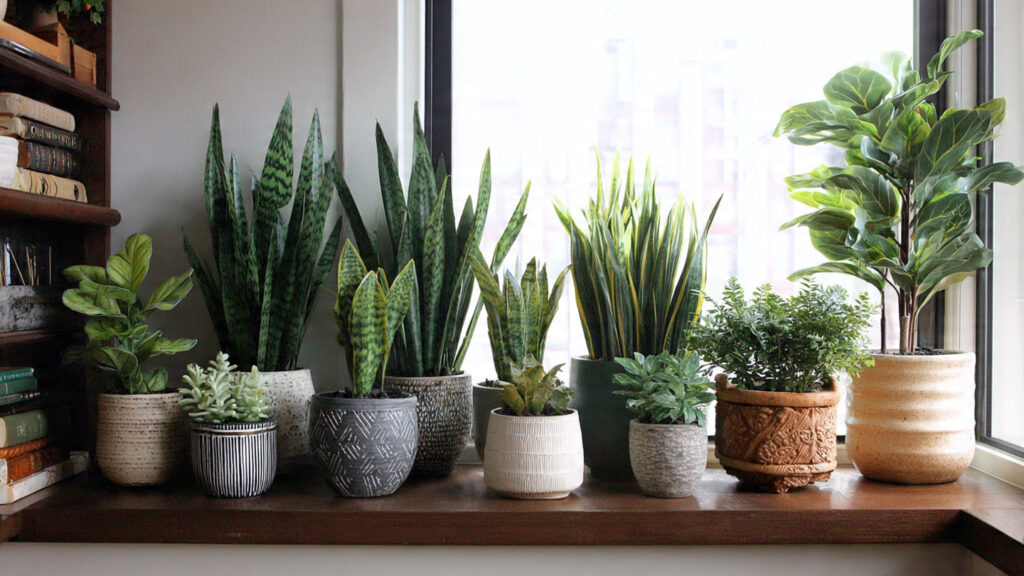
Indoor plants have become an essential part of modern home decor. They bring life, color, and a sense of calm to your living spaces while improving air quality and boosting overall well-being. But when it comes to choosing plants for your home, you may find yourself torn between the allure of real greenery and the convenience of faux plants. Each option has its benefits and drawbacks, and making the right choice depends on your lifestyle, space, and design goals. Here’s a comprehensive guide to help you decide between real and faux indoor plants.
The Benefits of Real Indoor Plants
Real plants are more than just decor—they are living organisms that can positively impact your home environment. Here are some of the key advantages:
1. Natural Air Purification
Certain indoor plants, like the peace lily, spider plant, and snake plant, actively filter toxins from the air, such as formaldehyde and benzene. This can improve indoor air quality and promote a healthier living space.
2. Mental Health Boost
Studies have shown that caring for real plants reduces stress, improves mood, and enhances productivity. The act of watering, pruning, and observing growth can provide a calming, therapeutic experience.
3. Dynamic Beauty
Real plants change and grow over time, adding a dynamic, living element to your decor. Seasonal changes, new growth, and even flowers create variety and interest that faux plants cannot replicate.
4. Connection to Nature
For those living in urban environments with limited outdoor greenery, real indoor plants provide a tangible connection to nature, bringing a sense of serenity and life into your home.
The Challenges of Real Indoor Plants
Despite their benefits, real plants require care and attention, which may not suit everyone. Here are some considerations:
- Maintenance Requirements – Regular watering, fertilizing, pruning, and pest control are necessary. Neglect can lead to wilting or dying plants.
- Light Dependency – Some plants need specific light conditions, which may be challenging in apartments or rooms without sufficient natural sunlight.
- Allergies & Pests – Soil, pollen, and plant pests can trigger allergies or infestations.
- Cost Over Time – While initial costs may be moderate, ongoing care, replacement plants, and supplies add up.
If these factors seem overwhelming, faux plants could be a practical alternative.
The Benefits of Faux Indoor Plants
Faux or artificial plants have evolved significantly in quality and realism. Today’s faux greenery can look incredibly lifelike, making them a popular choice for many homeowners.
1. Low Maintenance
Faux plants require no watering, fertilizing, or pruning. They remain perfect year-round, making them ideal for busy lifestyles or those without a green thumb.
2. Versatility
Artificial plants can thrive in any location, including areas with no natural light. You can place them in dark corners, windowless rooms, or even bathrooms without worrying about their survival.
3. Allergy-Friendly
Since faux plants have no pollen or soil, they are an excellent option for allergy sufferers.
4. Long-Term Cost-Effectiveness
Although high-quality faux plants can be expensive upfront, they last for years without ongoing care costs, making them a practical long-term investment.
5. Consistent Appearance
Artificial plants never wilt, lose leaves, or change drastically over time, allowing for a consistent aesthetic in your home decor.
The Drawbacks of Faux Indoor Plants
While faux plants are convenient, there are some disadvantages to consider:
➡️ How to Grow Malabar Spinach from Cuttings for Fast, Easy Greens
➡️ How to Grow Super Delicious Cabbage at Home Without a Garden
➡️ How to Grow Bean Sprouts at Home in Plastic Bottles Easily (Step‑by‑Step Guide)
➡️ Why is Your Lemon Tree Blooming in the Heart of Winter?
➡️ Why Should Your Garden Have a Dedicated Pollinator Highway?
➡️ Why Do Your Fruit Trees Need a Winter Wash to Thrive in Spring?
➡️ How Can Rice Water Transform Your Fruits into Sweeter Delights?
➡️ Jumpstart Your Winter Garden: Seed Starting Under Lights
- Lack of Air Purification – Artificial plants cannot clean the air or provide the health benefits associated with living greenery.
- No Growth or Seasonal Change – Faux plants don’t grow or bloom, so they lack the dynamic quality of real plants.
- Material Limitations – Cheaper artificial plants may look obviously fake and detract from the overall decor if not chosen carefully.
- Environmental Concerns – Many faux plants are made from plastics, which are not biodegradable, though high-quality options are more durable and long-lasting.
Factors to Consider When Choosing
To make the right choice between real and faux plants, it helps to evaluate your unique situation based on several factors:
1. Lifestyle and Availability
- If you have a busy schedule, travel frequently, or lack experience caring for plants, faux greenery is a low-stress option.
- If you enjoy nurturing plants and have time for care routines, real plants provide a rewarding experience.
2. Space and Light Conditions
- Low-light spaces, bathrooms, or windowless rooms are better suited for artificial plants.
- Sunny areas or rooms with natural light can support thriving real plants, enhancing both aesthetic and health benefits.
3. Allergies and Sensitivities
- Allergic reactions to pollen or mold in soil may make real plants less practical.
- Faux plants offer a hypoallergenic alternative without sacrificing style.
4. Budget and Long-Term Costs
- Real plants require ongoing care, supplies, and potential replacements, which can add up over time.
- High-quality faux plants may be more expensive initially but offer durability and minimal maintenance.
5. Desired Aesthetic
- Real plants provide authenticity, organic growth patterns, and natural movement.
- Faux plants can achieve perfect symmetry and exact color coordination, which is sometimes more suitable for design-focused spaces.
Mixing Real and Faux: A Hybrid Approach
Many interior designers recommend a hybrid approach, combining real and faux plants to balance aesthetics and practicality. For example:
- Place real plants in well-lit areas where you can nurture them and enjoy their air-purifying benefits.
- Use faux plants in darker corners, high shelves, or spots that are inconvenient for regular care.
This strategy allows you to enjoy the best of both worlds: the vibrancy and benefits of living plants and the convenience and flexibility of artificial greenery.
Tips for Choosing Real Plants
If you lean toward real plants, here are some tips to ensure success:
- Choose Low-Maintenance Varieties – Examples include pothos, snake plants, ZZ plants, and succulents.
- Match Plants to Light Conditions – Understand the natural light levels in each room and select plants accordingly.
- Invest in Quality Pots and Soil – Proper drainage and nutrient-rich soil are essential for plant health.
- Monitor Watering and Humidity – Overwatering is a common mistake; know the specific needs of each plant.
Tips for Choosing Faux Plants
For faux plants, consider these points:
- Look for Realistic Detailing – High-quality faux plants have textured leaves, varied colors, and natural shapes.
- Select Appropriate Containers – Stylish pots, decorative planters, or even stonelook containers can elevate the appearance.
- Mix Sizes and Textures – Combine tall plants, small succulents, and leafy greenery to create depth and interest.
- Clean Regularly – Dust can accumulate, so occasional wiping or gentle washing keeps faux plants looking fresh.
Making the Decision
Ultimately, the decision between real and faux indoor plants comes down to balancing aesthetics, lifestyle, and practical considerations:
- Choose real plants if you enjoy hands-on care, want health benefits, and have suitable light conditions.
- Choose faux plants if convenience, low maintenance, and placement flexibility are priorities.
- Consider a hybrid approach to optimize both style and functionality.
Remember, your indoor greenery should enhance your home environment and reflect your personal style. There is no right or wrong choice—just what works best for your home, schedule, and taste.
Final Thoughts
Indoor plants—real or faux—have the power to transform your living space. They add color, texture, and life, creating a calming and visually appealing atmosphere. By carefully considering your lifestyle, environment, and aesthetic preferences, you can make an informed choice that meets both your practical needs and design aspirations.
Whether you opt for vibrant, air-purifying real plants or low-maintenance faux greenery, the key is intentionality. Place your plants thoughtfully, match them with complementary decor, and maintain them appropriately to ensure they continue to enhance your home for years to come.
In the end, both real and faux indoor plants serve a purpose: they bring joy, beauty, and a touch of nature into your daily life. The right choice is simply the one that fits your space, schedule, and vision for your home.