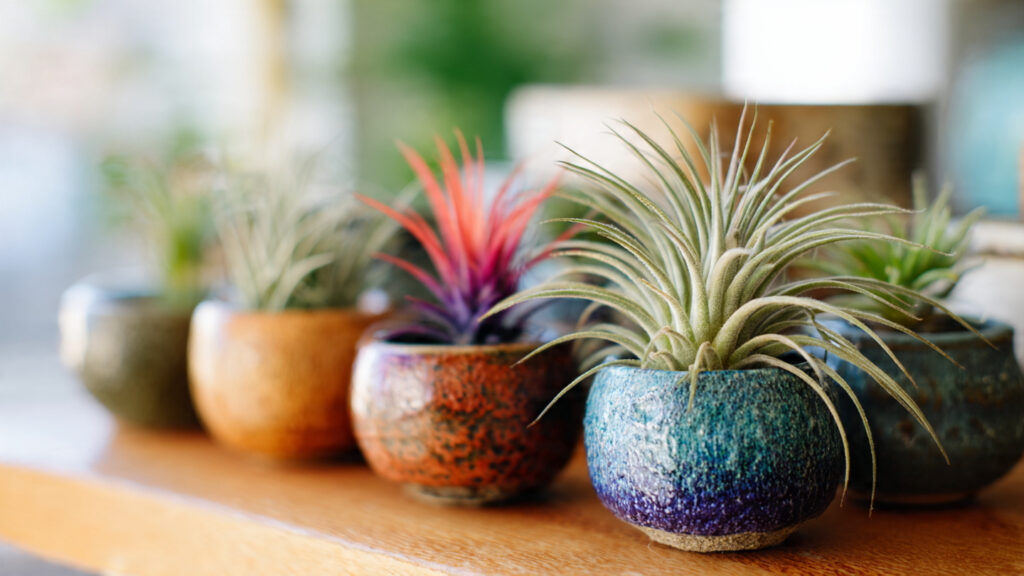
Air plants, or Tillandsia, have surged in popularity in modern homes and offices, and for good reason. These unique, low-maintenance plants can thrive without soil, making them perfect for creative displays, terrariums, wall mounts, and hanging arrangements. With their striking shapes, silvery-green foliage, and occasional vibrant flowers, air plants bring life and a sculptural aesthetic to any indoor space.
For many, the appeal lies in their simplicity: no messy soil, minimal watering, and almost no pruning or fertilization. But while air plants are easy to grow, understanding their natural needs ensures they stay healthy, vibrant, and long-lasting. This article explores the simple ways to cultivate air plants with minimal care while enjoying their unique beauty.
Understanding Air Plants
Air plants belong to the Bromeliaceae family, which also includes pineapples and other tropical plants. Unlike traditional plants, air plants are epiphytes, meaning they naturally grow on other plants, rocks, or surfaces without drawing nutrients from the soil. Instead, they absorb water and nutrients through their specialized leaves, using trichomes—tiny hair-like structures that capture moisture from the air.
This unique adaptation allows air plants to thrive in a wide variety of environments, from humid tropical forests to arid deserts. In homes, air plants adapt to indoor conditions with proper light, air circulation, and occasional watering.
Benefits of Growing Air Plants
- Minimal Care: Air plants require no soil, very little watering, and almost no pruning.
- Versatility: They can be displayed creatively in glass terrariums, mounted on driftwood, or suspended in decorative holders.
- Aesthetic Appeal: Their sculptural shapes and occasional flowers add a modern, artistic touch to any space.
- Space-Saving: Perfect for apartments, offices, and small rooms where traditional potted plants may be impractical.
- Air Purification: Like other plants, air plants contribute to indoor air quality by absorbing pollutants and producing oxygen.
Choosing the Right Air Plant
Different species of Tillandsia have varying sizes, shapes, and care requirements. Some common beginner-friendly air plants include:
- Tillandsia ionantha: Small, vibrant, and easy to handle, often turning red or pink before flowering.
- Tillandsia xerographica: Large, silver-gray rosettes with dramatic form, ideal as a centerpiece.
- Tillandsia bulbosa: Curly, bulbous leaves with an unusual shape, perfect for hanging displays.
- Tillandsia stricta: Compact and hardy, suitable for terrariums or mounted arrangements.
Selecting the right species depends on your available display space, light conditions, and design preferences.
The Simple Way to Grow Air Plants
Despite their exotic appearance, air plants are remarkably low-maintenance. Here’s a step-by-step guide to cultivating them easily:
1. Light Requirements
Air plants thrive in bright, indirect light. A spot near a window with filtered sunlight is ideal. Direct sunlight, especially through glass, can scorch the leaves. Fluorescent or LED lights can also supplement natural light, making air plants perfect for indoor office environments.
2. Watering Made Easy
While air plants do not require soil, they still need water to survive. The simplest watering methods include:
- Soaking: Submerge the entire plant in water for 15–30 minutes once a week. Shake off excess water afterward to prevent rot.
- Misting: Lightly mist the plant 2–3 times a week, particularly in dry indoor environments.
The frequency of watering may vary based on climate, humidity, and the plant’s size. In humid environments, air plants may need less water, while dry conditions require slightly more frequent hydration.
3. Air Circulation
Good airflow is essential for air plants. Avoid placing them in enclosed terrariums without ventilation. The trichomes on their leaves need to dry after watering to prevent fungal or bacterial issues. A well-ventilated spot near a window, fan, or open room ensures healthy growth.
4. Temperature and Humidity
Air plants are tropical by nature and prefer temperatures between 50°F and 90°F (10°C to 32°C). Avoid exposing them to frost or extreme heat. Moderate humidity is beneficial, but even low-humidity indoor environments can support air plants with regular watering.
5. Fertilization (Optional)
Fertilizing air plants is optional but can encourage faster growth and more vibrant flowers. Use a bromeliad or air plant-specific fertilizer diluted to 1/4 strength, applied monthly during the growing season. Avoid high-nitrogen fertilizers, which can damage delicate leaves.
6. Mounting and Display
Air plants can be displayed in countless creative ways:
- Terrariums: Place in glass bowls or hanging globes for modern decorative accents.
- Driftwood or Rocks: Attach air plants using fishing line or wire without harming the plant.
- Wall Art: Mount on cork boards, frames, or shells for vertical displays.
- Tables and Shelves: Simply place on decorative trays or bowls for effortless indoor décor.
These methods make air plants suitable for almost any modern living space, from minimalist apartments to lush indoor gardens.
➡️ How to Grow Malabar Spinach from Cuttings for Fast, Easy Greens
➡️ How to Grow Super Delicious Cabbage at Home Without a Garden
➡️ How to Grow Bean Sprouts at Home in Plastic Bottles Easily (Step‑by‑Step Guide)
➡️ Why is Your Lemon Tree Blooming in the Heart of Winter?
➡️ Why Should Your Garden Have a Dedicated Pollinator Highway?
➡️ Why Do Your Fruit Trees Need a Winter Wash to Thrive in Spring?
➡️ How Can Rice Water Transform Your Fruits into Sweeter Delights?
➡️ Jumpstart Your Winter Garden: Seed Starting Under Lights
Encouraging Flowering
One of the most rewarding aspects of growing air plants is watching them bloom. Flowers vary by species and can range from subtle lavender to bright red, pink, or purple. To encourage flowering:
- Ensure bright, indirect light.
- Maintain proper watering and airflow.
- Avoid over-fertilization, which encourages foliage over flowers.
Many air plants produce offsets or “pups” after flowering, which can be separated and cultivated to create new plants, allowing you to expand your indoor garden effortlessly.
Common Issues and Simple Solutions
Even though air plants are low-maintenance, a few issues may arise:
- Brown or Dry Leaf Tips: Usually a sign of under-watering or low humidity. Increase misting or soaking frequency.
- Rotting Base: Indicates overwatering or poor airflow. Reduce watering and ensure the plant dries completely after soaking.
- Pests: Rare but can include mealybugs. Gently wash the plant or use insecticidal soap if necessary.
Monitoring your plants weekly is enough to prevent most issues. Unlike traditional plants, air plants are forgiving and can recover quickly when proper conditions are restored.
Air Plants for Modern Living
Air plants are ideal for contemporary lifestyles where convenience, aesthetics, and flexibility matter. They fit seamlessly into modern décor due to their sculptural forms and minimal care requirements. They are particularly suitable for:
- Urban apartments: Where space and light may be limited.
- Office environments: Requiring low-maintenance plants that thrive under artificial light.
- DIY home projects: Including wall-mounted gardens, terrariums, and hanging displays.
Because they do not need soil, they can also be combined with other décor elements such as stones, driftwood, shells, or glass globes, providing endless creative possibilities.
Why Air Plants Are the Ultimate “Care-Free” Plant
Unlike traditional houseplants that require regular repotting, soil monitoring, and intensive watering, air plants thrive with minimal intervention. Their epiphytic nature, drought tolerance, and adaptability make them almost entirely “care-free”:
- No messy soil to worry about.
- No root-bound problems.
- Minimal fertilization and pruning.
- Highly adaptable to different indoor conditions.
With these advantages, air plants are perfect for modern gardeners who want the beauty of living plants without extensive maintenance.
Conclusion
Growing air plants is one of the easiest and most rewarding ways to bring greenery into your home. By providing bright indirect light, occasional watering, good airflow, and optional fertilization, you can cultivate vibrant, long-lasting plants with minimal effort. Their sculptural forms, dramatic foliage, and occasional flowers make them a perfect fit for modern interiors, office spaces, and creative décor projects.
Whether displayed in hanging globes, mounted on driftwood, or arranged in terrariums, air plants offer unparalleled flexibility and style. With virtually no soil, minimal maintenance, and extraordinary adaptability, these plants are ideal for gardeners of all skill levels—truly the “care-free” plant for contemporary living.
By following these simple practices, anyone can grow air plants successfully, enjoying the lush beauty and natural elegance they bring to any modern garden or indoor space.