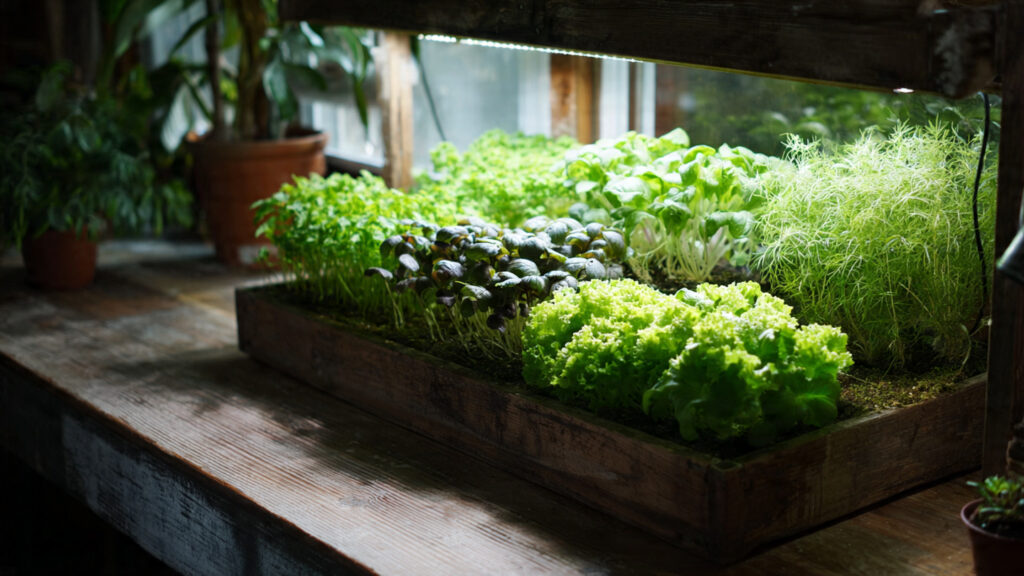
Asian greens, such as bok choy, tatsoi, mizuna, and Chinese mustard greens, are nutrient-rich, fast-growing vegetables that can elevate any home-cooked meal. Bursting with vitamins, minerals, and antioxidants, these leafy greens are staples in Asian cuisine and increasingly popular in home kitchens worldwide. While many gardeners think these crops require outdoor beds, Asian greens are remarkably well-suited for indoor cultivation. With minimal space, simple equipment, and consistent care, you can harvest fresh greens year-round. This guide provides a step-by-step method for successfully growing Asian greens indoors.
Why Grow Asian Greens Indoors?
Indoor gardening has many advantages, especially for fast-growing greens:
- Year-Round Harvest: Unlike seasonal outdoor gardens, indoor spaces allow you to cultivate crops regardless of weather.
- Pest Control: Indoors, your plants are less exposed to common pests like aphids, flea beetles, or caterpillars.
- Space Efficiency: Asian greens have compact root systems and grow quickly, making them ideal for windowsills, countertops, or small containers.
- Freshness and Nutrition: Growing indoors ensures greens are harvested at peak freshness, maintaining maximum flavor and nutrient content.
Indoor cultivation also allows you to experiment with different varieties and grow systems, from traditional soil pots to hydroponics.
Step 1: Choosing the Right Varieties
Not all Asian greens are equally suited for indoor growth. Fast-growing, compact varieties thrive in containers or shallow trays. Some recommended options include:
- Bok Choy (Pak Choi): Crisp stems and tender leaves, ready to harvest in 30–45 days.
- Tatsoi: Small rosette-shaped leaves, perfect for small pots, and tolerant of low light.
- Mizuna: Frilly, mild-flavored leaves that grow quickly and are ideal for cut-and-come-again harvesting.
- Chinese Mustard Greens: Spicy, flavorful leaves that thrive in shallow containers.
Select varieties based on your space, taste preference, and intended use. Fast-maturing greens are ideal for beginners and allow multiple harvests per month.
Step 2: Selecting Containers and Soil
Asian greens are shallow-rooted and flexible, meaning they don’t need deep containers. Ideal options include:
- Shallow Trays: 4–6 inches deep trays work well for small greens.
- Pots: 6–8 inch pots allow room for roots to spread.
- Raised Indoor Beds: If you want multiple varieties in one setup, small indoor raised beds can accommodate several rows.
Drainage is crucial. Containers should have holes at the bottom to prevent waterlogging, which can cause root rot.
Soil Mix
Asian greens prefer loose, well-draining soil rich in organic matter. A good indoor soil mix includes:
- 50% high-quality potting soil
- 30% compost or worm castings for nutrients
- 20% perlite or coarse sand to improve drainage and aeration
The soil should be slightly acidic to neutral, with a pH of 6.0–7.0. Lightly moist soil encourages rapid germination and healthy root development.
Step 3: Sowing Seeds
Starting Asian greens from seeds indoors is straightforward:
- Fill containers with prepared soil and gently pat down.
- Sow seeds about ¼ inch deep, spacing them according to the variety. For example, bok choy can be spaced 4–6 inches apart, while tatsoi and mizuna can be closer at 2–3 inches.
- Water gently to settle the seeds. Avoid washing them away.
- Cover lightly with soil or a thin layer of vermiculite to retain moisture.
Seeds typically germinate in 5–10 days under optimal conditions. Keep the soil consistently moist but not waterlogged.
Step 4: Providing Adequate Light
Indoor Asian greens require sufficient light to grow strong and healthy. Light affects leaf color, flavor, and nutrient content. Options for lighting include:
- Natural Sunlight: Place containers near a south-facing window to provide 6–8 hours of sunlight per day.
- Grow Lights: If natural light is insufficient, LED or fluorescent grow lights work well. Position lights 6–12 inches above the plants and run them for 12–16 hours daily.
Rotating containers every few days ensures even growth and prevents plants from leaning toward the light source.
Step 5: Watering and Moisture Management
Asian greens need consistent moisture for rapid growth. Water when the top inch of soil feels dry, using gentle watering methods to avoid displacing seeds or seedlings. Consider these tips:
- Water at the base of the plant to keep leaves dry, reducing fungal issues.
- Use a spray bottle or gentle watering can for seedlings.
- Maintain moderate humidity indoors (40–60%) to prevent leaf wilting and encourage lush growth.
Overwatering can lead to root rot, while under-watering can slow growth and reduce leaf quality.
➡️ How to Grow Malabar Spinach from Cuttings for Fast, Easy Greens
➡️ How to Grow Super Delicious Cabbage at Home Without a Garden
➡️ How to Grow Bean Sprouts at Home in Plastic Bottles Easily (Step‑by‑Step Guide)
➡️ Why is Your Lemon Tree Blooming in the Heart of Winter?
➡️ Why Should Your Garden Have a Dedicated Pollinator Highway?
➡️ Why Do Your Fruit Trees Need a Winter Wash to Thrive in Spring?
➡️ How Can Rice Water Transform Your Fruits into Sweeter Delights?
➡️ Jumpstart Your Winter Garden: Seed Starting Under Lights
Step 6: Fertilizing for Fast Growth
Asian greens grow rapidly and benefit from regular feeding. Choose a fertilizer that supports leafy growth:
- Liquid Fertilizer: A balanced liquid fertilizer (NPK 10-10-10 or similar) every 2–3 weeks is ideal.
- Organic Options: Fish emulsion, seaweed extract, or compost tea provides nutrients without harsh chemicals.
- Avoid Over-Fertilization: Excess nitrogen can lead to soft, weak leaves prone to disease.
Feeding encourages strong, vibrant leaves, ideal for harvests and continuous growth.
Step 7: Thinning Seedlings
Once seedlings develop their first true leaves, thin them to prevent overcrowding. Overcrowded plants compete for nutrients, water, and light, resulting in weak growth.
- For small varieties, thin to 2–3 inches apart.
- For larger varieties like bok choy, space seedlings 4–6 inches apart.
- Use scissors to snip weaker seedlings at soil level to avoid disturbing roots of the remaining plants.
Thinning ensures healthy, vigorous plants ready for robust leaf production.
Step 8: Harvesting Indoors
Asian greens are fast-maturing and ideal for “cut-and-come-again” harvesting, which allows multiple harvests from the same plants:
- Baby Greens: Harvest small leaves when 2–4 inches long for salads, stir-fries, or garnishes.
- Mature Leaves: For cooking, harvest larger leaves, leaving a few inches of stem to encourage regrowth.
- Regular Picking: Frequent harvesting prevents bolting (premature flowering) and encourages continued leaf production.
Harvesting early and often ensures tender leaves with optimal flavor and nutrient content.
Step 9: Preventing Common Indoor Challenges
Growing indoors reduces pests but does not eliminate them. Some challenges include:
- Aphids or Spider Mites: Wipe leaves with a damp cloth or use mild insecticidal soap.
- Leggy Growth: Insufficient light can cause tall, weak stems. Increase light intensity or duration.
- Fungal Issues: Avoid wetting foliage and ensure good air circulation around containers.
Maintaining a clean, well-ventilated indoor space supports healthy growth and minimizes stress.
Step 10: Continuous Planting for Year-Round Harvest
One of the joys of indoor Asian greens is continuous harvests. By staggering sowing every 2–3 weeks, you can maintain a consistent supply of fresh greens throughout the year.
- Succession Planting: Plant new seeds as older plants are harvested.
- Rotation: Use different varieties to diversify flavors and textures.
- Container Management: Refresh soil in pots every few cycles to maintain nutrient levels.
With a simple rotation system, your indoor garden can produce a steady supply of greens without interruption.
Conclusion
Growing Asian greens indoors is simple, rewarding, and accessible for gardeners of all experience levels. By choosing the right varieties, using shallow containers with quality soil, providing adequate light, maintaining consistent moisture, and practicing regular harvesting, you can enjoy fresh, flavorful greens year-round.
Indoor gardening eliminates many traditional challenges, such as pests, weather fluctuations, and space constraints, allowing you to focus on nurturing your plants and enjoying their bounty. Asian greens are not only nutritious but also versatile, making them a perfect addition to salads, stir-fries, soups, and more.
With this simple step-by-step method, anyone can cultivate a thriving indoor garden of Asian greens, harvesting fresh leaves with minimal effort. Whether you have a sunny windowsill, a compact balcony, or a kitchen countertop, indoor greens provide a continuous source of flavor, health, and satisfaction for your meals. Start today, and in just a few weeks, you can enjoy your very own fresh harvests of tender, vibrant Asian greens.