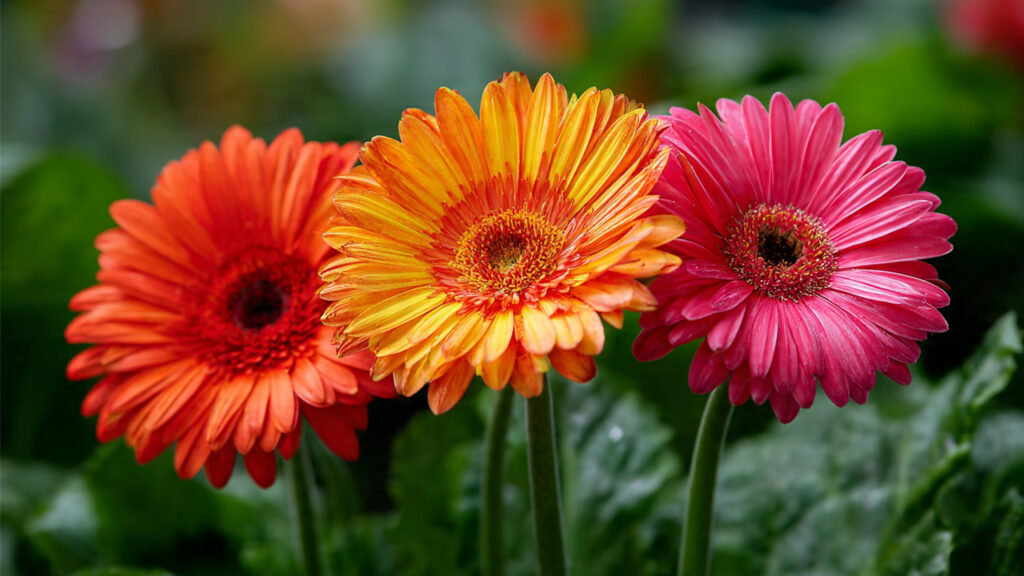
Gerbera daisies (Gerbera jamesonii) are among the most vibrant and cheerful flowers you can grow indoors. With their bold, brightly colored blooms—ranging from sunny yellows and fiery reds to soft pinks and pure whites—Gerberas add instant charm and life to any room. While many gardeners associate these flowers with outdoor garden beds, Gerberas can thrive indoors with the right care, offering year-round color and a fresh, uplifting aesthetic.
Growing Gerbera indoors is simpler than it seems. By understanding their specific needs—light, soil, water, temperature, and pest management—you can cultivate beautiful, long-lasting blooms even in small apartments or office spaces. This comprehensive guide will walk you through everything you need to grow indoor Gerberas successfully.
Understanding Gerbera Daisies
Gerberas are perennial plants from the Asteraceae family, closely related to sunflowers and daisies. Their vibrant flowers bloom from a central disk surrounded by a striking array of petals. While originally native to South Africa, these plants have been cultivated worldwide for ornamental purposes.
Indoors, Gerberas are grown as potted plants. They remain relatively compact, making them ideal for windowsills, shelves, and small indoor garden arrangements. Proper care ensures that they bloom continuously, providing vibrant color and a cheerful atmosphere.
Choosing the Right Gerbera Variety
Selecting the appropriate variety for indoor growth is key:
- Compact Varieties: Look for miniature or compact Gerberas, which are more manageable indoors.
- Disease-Resistant Varieties: Some hybrids are bred to resist common fungal diseases, making indoor cultivation easier.
- Flower Color Preferences: Consider your interior décor and personal preferences when choosing the colors of your Gerberas.
A good variety suited for container growth ensures better flowering and fewer maintenance issues.
Ideal Indoor Conditions
Gerberas thrive when their natural preferences are mimicked indoors:
1. Light
Light is the most critical factor for indoor Gerberas:
- Bright, Indirect Light: Place your plant near a south-facing or east-facing window to ensure it receives at least 6 hours of light per day.
- Avoid Direct Harsh Sunlight: While Gerberas love sunlight, too much direct sun can scorch leaves and flowers. Filtered sunlight through a curtain is ideal.
- Supplemental Light: In low-light environments, fluorescent or LED grow lights can provide additional illumination to encourage healthy blooms.
2. Temperature
Gerberas prefer moderate indoor temperatures:
- Optimal Range: 65–75°F (18–24°C) during the day and slightly cooler at night.
- Avoid Drafts and Extreme Heat: Keep the plant away from heaters, air conditioners, or drafty windows to prevent stress.
Consistent temperature promotes steady growth and prolongs flowering.
3. Humidity
While Gerberas are not tropical plants, they appreciate moderate humidity:
- Ideal Humidity: 40–60% is sufficient.
- Dry Air: In winter, use a humidity tray or a small room humidifier if indoor air becomes too dry.
Proper humidity reduces leaf stress and prevents browning or curling.
Potting and Soil Requirements
Container choice and soil quality significantly influence the success of indoor Gerberas:
1. Choosing the Right Pot
- Size: Use a pot 6–8 inches in diameter for one plant. Avoid overly large pots, which can retain too much moisture and promote root rot.
- Drainage: Ensure multiple drainage holes to allow excess water to escape. Proper drainage prevents waterlogging and fungal issues.
2. Soil Mix
- Well-Draining Soil: A mixture of potting soil, perlite, and sand works well to maintain aeration while retaining moisture.
- Slightly Acidic pH: Gerberas prefer slightly acidic soil (pH 5.5–6.5) for optimal nutrient uptake.
- Avoid Heavy Garden Soil: Dense soils can suffocate roots and lead to water retention problems.
Repotting every 1–2 years refreshes soil and prevents nutrient depletion.
Watering Indoor Gerberas
Watering correctly is crucial for healthy Gerberas:
➡️ How to Grow Malabar Spinach from Cuttings for Fast, Easy Greens
➡️ How to Grow Super Delicious Cabbage at Home Without a Garden
➡️ How to Grow Bean Sprouts at Home in Plastic Bottles Easily (Step‑by‑Step Guide)
➡️ Why is Your Lemon Tree Blooming in the Heart of Winter?
➡️ Why Should Your Garden Have a Dedicated Pollinator Highway?
➡️ Why Do Your Fruit Trees Need a Winter Wash to Thrive in Spring?
➡️ How Can Rice Water Transform Your Fruits into Sweeter Delights?
➡️ Jumpstart Your Winter Garden: Seed Starting Under Lights
- Moderate Watering: Keep the soil evenly moist but never soggy. Water when the top inch of soil feels dry.
- Avoid Wet Leaves: Water at the base of the plant to prevent fungal disease on leaves and blooms.
- Drain Excess Water: Empty saucers under pots after watering to prevent water accumulation.
Proper watering encourages strong root growth and vibrant flowers.
Fertilization
Gerberas are moderate feeders that benefit from regular fertilization:
- Balanced Fertilizer: Use a water-soluble fertilizer with equal parts nitrogen, phosphorus, and potassium (e.g., 10-10-10).
- Frequency: Fertilize every 2–4 weeks during the active growing and flowering season.
- Avoid Over-Fertilizing: Excessive nitrogen leads to lush foliage but reduces flower production.
Fertilization supports continuous flowering and vibrant leaf color.
Pruning and Deadheading
Maintaining a neat plant encourages more blooms:
- Remove Spent Flowers: Regularly deadhead wilted blooms by cutting the stem near the base.
- Trim Damaged Leaves: Remove yellowing or brown leaves to maintain plant health.
- Control Growth: Light pruning maintains the plant’s compact shape, especially in indoor containers.
Pruning and deadheading redirect the plant’s energy into new growth and flower production.
Pest and Disease Management
Indoor Gerberas are generally resilient, but they can face common pests and diseases:
- Aphids and Whiteflies: These pests can be controlled with insecticidal soap or neem oil.
- Powdery Mildew and Leaf Spot: Avoid wetting leaves, provide adequate light, and ensure good air circulation.
- Root Rot: Caused by overwatering or poor drainage. Always use well-draining soil and avoid waterlogged conditions.
Regular inspection and early intervention prevent serious issues.
Promoting Continuous Flowering
To enjoy vibrant blooms throughout the year:
- Light and Temperature: Ensure consistent bright light and moderate temperatures.
- Fertilization: Maintain a steady feeding schedule during the growing season.
- Deadheading: Prompt removal of faded flowers stimulates new blooms.
- Repotting: Refresh the soil annually to supply nutrients and prevent root crowding.
These practices ensure your Gerbera continues to produce abundant flowers indoors.
Creative Indoor Displays
Indoor Gerberas can enhance any living space aesthetically:
- Window Sills: Compact varieties thrive on sunny windows.
- Table Centerpieces: Bright blooms add color and elegance to dining or coffee tables.
- Terrariums or Groupings: Combine multiple Gerberas with complementary plants for dynamic indoor gardens.
- Hanging Baskets: Trailing Gerbera varieties add vertical interest and maximize limited space.
The versatility of indoor Gerberas allows you to combine practicality with stunning visual appeal.
Seasonal Care Tips
- Spring and Summer: Peak growing season. Maintain regular watering, fertilization, and deadheading.
- Autumn: Gradually reduce fertilizer as growth slows. Maintain consistent light exposure.
- Winter: Gerberas grow slower; reduce watering, avoid drafts, and continue bright light exposure to maintain blooms.
Adjusting care according to seasons ensures healthy growth and prolonged flowering.
Conclusion
Growing Gerbera daisies indoors is both rewarding and achievable with the right care. By providing bright, indirect light, well-draining soil, moderate watering, regular fertilization, and pest management, you can cultivate vibrant flowers year-round. Their cheerful blooms, striking foliage, and compact growth make Gerberas perfect for windowsills, indoor gardens, and office spaces.
Deadheading spent flowers, trimming damaged leaves, and occasionally repotting will keep your Gerberas healthy and productive. With minimal effort, you can enjoy a continuous display of bold, colorful blooms that brighten your indoor environment and bring joy throughout the year.
Whether you are a beginner gardener or an experienced plant enthusiast, following these simple yet comprehensive guidelines ensures your indoor Gerbera daisies thrive, adding beauty, freshness, and life to any interior space.