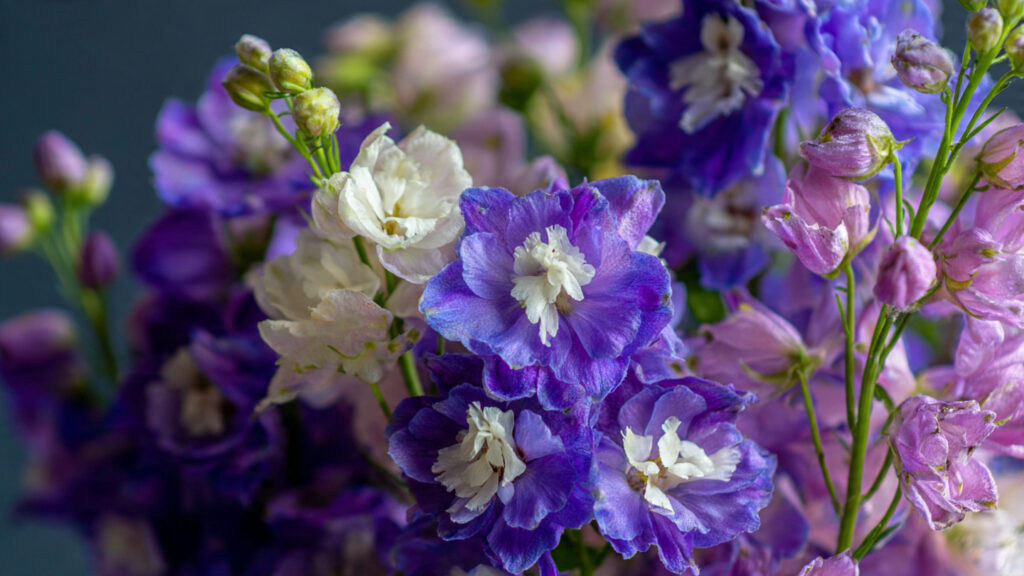
Larkspur, a beautiful and delicate flowering plant, is loved by gardeners for its tall, colorful spikes and soft, romantic appearance. With shades ranging from deep purples and blues to pinks and whites, Larkspur adds instant charm to any garden, balcony, or patio. While traditionally grown in garden beds, Larkspur thrives in containers, making it a perfect choice for urban gardeners, small spaces, or anyone looking to add vertical interest to their outdoor decor. This guide reveals how to effortlessly grow Larkspur in pots using a simple hack to achieve stunning blooms with minimal effort.
Understanding Larkspur
Before planting, it’s important to understand the growth habits and requirements of Larkspur:
- Botanical name: Delphinium ajacis, commonly referred to as annual Larkspur.
- Height: Typically grows 1–3 feet tall, with dense flower spikes.
- Life cycle: Most Larkspur varieties are annuals, completing their life cycle in a single season. Some perennial varieties exist, but annuals are easier for container cultivation.
- Flowering season: Spring to early summer, depending on local climate.
Knowing the plant’s characteristics helps you choose the right variety and prepare the perfect growing environment in pots.
Choosing the Right Larkspur Variety
For container gardening, select compact or dwarf varieties suited for pots:
- ‘Rocket Mix’: A popular annual variety producing tall, vibrant spikes in mixed colors.
- ‘Magic Fountains’: Compact growth habit with profuse blooms, perfect for smaller containers.
- ‘Giant Pacific’: Tall and dramatic spikes, ideal for larger pots and backdrops.
Choosing a container-friendly variety ensures better blooms, easier maintenance, and a visually pleasing arrangement.
Selecting the Perfect Pot
The right container is essential for Larkspur success:
- Size: Choose a pot at least 10–12 inches deep for compact varieties and 14–16 inches for taller varieties.
- Width: Each plant should have 6–8 inches of space to avoid overcrowding.
- Drainage: Ensure multiple drainage holes to prevent waterlogging, which can lead to root rot.
- Material: Plastic, ceramic, or terracotta pots all work, but lightweight plastic is easy to move and retains moisture better.
Proper pot selection ensures Larkspur roots have enough space to grow and access adequate nutrients.
Preparing the Soil
Larkspur thrives in well-draining, fertile soil:
- Soil mix: Use a combination of potting soil, compost, and perlite or sand for drainage (2:1:1 ratio).
- pH: Slightly acidic to neutral (6.0–7.0) soil is ideal.
- Nutrient content: Enrich soil with organic compost or slow-release fertilizer to support flowering.
Good soil structure promotes healthy root growth and abundant blooms.
Sowing Larkspur Seeds
Growing Larkspur from seeds is simple with the right technique:
- Timing: Sow seeds in early spring or late fall, depending on your local climate. Cool temperatures encourage germination.
- Soaking trick (the easy hack): Soak Larkspur seeds in room-temperature water for 24 hours before planting. This softens the hard seed coat and speeds up germination.
- Planting depth: Sow seeds ¼ inch deep in the prepared potting mix.
- Spacing: Thin seedlings to 6–8 inches apart once they develop true leaves.
Using the soaking hack is a proven method to increase germination rates and reduce seed dormancy issues.
Providing Optimal Light
Light is a critical factor for strong growth and vibrant blooms:
- Sunlight: Larkspur thrives in full sun to partial shade. Ideally, provide 6–8 hours of sunlight daily.
- Indoor light: If growing indoors, place pots near a sunny south-facing window or use supplemental grow lights.
- Rotation: Rotate pots regularly to ensure even light distribution and prevent plants from leaning.
Adequate sunlight encourages tall, healthy spikes and vibrant flower colors.
Watering Larkspur in Pots
Consistent moisture is key for container-grown Larkspur:
- Frequency: Water when the top inch of soil feels dry. In hot weather, this may be daily.
- Method: Water at the base to keep leaves and flowers dry, reducing the risk of fungal diseases.
- Mulching: Add a thin layer of organic mulch (straw or leaf litter) to retain moisture and regulate temperature.
Maintaining even soil moisture ensures continuous growth and reduces stress during the flowering season.
➡️ How to Grow Malabar Spinach from Cuttings for Fast, Easy Greens
➡️ How to Grow Super Delicious Cabbage at Home Without a Garden
➡️ How to Grow Bean Sprouts at Home in Plastic Bottles Easily (Step‑by‑Step Guide)
➡️ Why is Your Lemon Tree Blooming in the Heart of Winter?
➡️ Why Should Your Garden Have a Dedicated Pollinator Highway?
➡️ Why Do Your Fruit Trees Need a Winter Wash to Thrive in Spring?
➡️ How Can Rice Water Transform Your Fruits into Sweeter Delights?
➡️ Jumpstart Your Winter Garden: Seed Starting Under Lights
Fertilization for Stunning Blooms
Larkspur is a heavy feeder and benefits from regular nutrition:
- Organic options: Use compost, worm castings, or well-rotted manure for a slow-release nutrient boost.
- Liquid feeding: Apply diluted fish emulsion or seaweed extract every 2–3 weeks during the growing season.
- Phosphorus focus: Emphasize phosphorus-rich fertilizers during flowering to enhance bloom size and longevity.
Consistent feeding keeps Larkspur strong, encourages abundant blooms, and maintains rich leaf color.
Providing Support for the Spikes
Tall Larkspur varieties may need staking to prevent flopping:
- Bamboo stakes: Insert stakes into the pot and tie stems loosely using garden twine.
- Trellises or mesh: For multiple plants in a large container, a lightweight mesh provides support for all spikes.
- Pruning tip: Pinch off damaged or weak stems to redirect energy to stronger spikes.
Proper support ensures your Larkspur maintains an elegant, upright form for a stunning display.
Pest and Disease Management
Larkspur in pots is generally hardy but may face occasional challenges:
- Pests: Aphids, slugs, and caterpillars may appear. Use neem oil, insecticidal soap, or hand-pick pests.
- Diseases: Powdery mildew and root rot can occur in poorly drained soil or humid conditions. Ensure good drainage and airflow.
- Monitoring: Inspect plants weekly to catch issues early before they affect blooms.
Prompt attention to pests and diseases keeps your potted Larkspur healthy and productive.
Pruning and Deadheading
Regular maintenance improves bloom longevity and overall plant health:
- Deadheading: Remove faded flowers to encourage new spikes and prolong the flowering period.
- Pruning: Trim excessive lateral shoots to maintain airflow and prevent overcrowding.
- Pinching tips: For bushier growth, pinch off young tips during early development.
These simple practices ensure a continuous display of vibrant, eye-catching flowers.
Succession Planting for Continuous Blooms
To enjoy Larkspur blooms throughout the season:
- Stagger sowing: Plant seeds every 2–3 weeks for successive flowering.
- Container rotation: Replace early bloomers with newly germinated seedlings to maintain a continuous display.
- Space management: Use larger pots for multiple plants, allowing room for ongoing succession planting.
Succession planting maximizes your container space and ensures a garden full of color all season long.
Advantages of Growing Larkspur in Pots
Container cultivation offers several benefits:
- Space efficiency: Ideal for balconies, patios, and small gardens.
- Mobility: Move pots to optimize light, temperature, or protection from wind.
- Controlled conditions: Easier to manage soil, water, and nutrition for optimal growth.
- Reduced weed competition: Less prone to weeds than garden beds.
Growing Larkspur in pots allows anyone to enjoy its elegance, even in limited spaces.
Conclusion
Growing Larkspur in pots is an effortless way to bring vibrant color and vertical interest to your home garden. By choosing the right variety, preparing nutrient-rich soil, applying the easy seed-soaking hack, providing consistent moisture, and supporting the climbing spikes, you can enjoy stunning, healthy blooms all season long. With careful attention to sunlight, fertilization, and maintenance, even beginner gardeners can successfully cultivate these delicate yet resilient flowers in containers.
Whether placed on a sunny balcony, patio, or backyard, container-grown Larkspur will reward you with tall, colorful spikes that brighten your space and create a truly enchanting floral display. With this simple guide, you now have the knowledge to grow Larkspur effortlessly and enjoy its timeless beauty in your home garden.