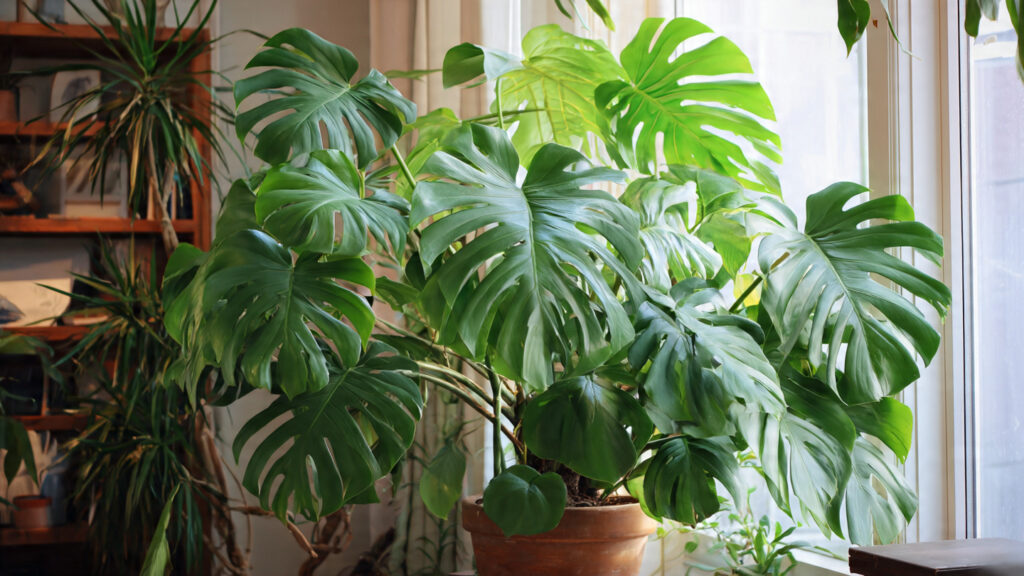
Monstera plants, often referred to as the “Swiss Cheese Plant,” have become a staple in indoor gardening due to their striking, fenestrated leaves and tropical appeal. Their lush, vibrant foliage can instantly elevate any living space. However, growing a healthy Monstera that truly thrives requires more than just occasional watering. Whether you’re a beginner or an experienced plant parent, understanding the plant’s unique needs is key to ensuring lush growth and vibrant leaves. Here are 9 proven tips to help your Monstera flourish.
1. Choose the Right Location
Monstera plants thrive in bright, indirect light. Direct sunlight can scorch their leaves, while low light may slow growth and reduce the iconic leaf fenestrations.
- Ideal placement is near an east or north-facing window.
- If natural light is limited, supplement with LED grow lights for 6–8 hours daily.
A well-lit environment encourages strong stems, healthy foliage, and larger leaves—essential for a lush Monstera.
2. Select the Perfect Pot and Soil
A well-draining pot and soil mix are crucial. Monsteras are prone to root rot if waterlogged.
- Use a pot with drainage holes to prevent water accumulation.
- Mix potting soil with perlite, orchid bark, and peat moss to create a chunky, aerated medium.
- Avoid heavy garden soil, which retains too much moisture and restricts root airflow.
This combination promotes root health and supports vigorous growth.
3. Water Properly
Watering is one of the most critical aspects of Monstera care. Overwatering can kill your plant, while underwatering stresses it.
- Water when the top 1–2 inches of soil feel dry.
- Reduce watering in winter when growth slows.
- Always ensure excess water drains freely from the pot.
Consistent watering fosters plump, healthy leaves, a hallmark of a thriving Monstera.
4. Maintain Humidity
Being a tropical plant, Monstera thrives in high humidity environments (60–80%). Dry air can cause browning leaf edges or curling.
- Mist the leaves regularly or use a humidifier nearby.
- Grouping plants together can naturally increase humidity.
- Placing a tray of water near the plant can also help.
High humidity ensures that your Monstera produces large, fenestrated leaves, enhancing its lush tropical appearance.
5. Fertilize During the Growing Season
Proper nutrition fuels growth. Monsteras benefit from balanced, slow-release fertilizer during spring and summer.
- Use a fertilizer with NPK ratio around 20:20:20 or a houseplant-specific blend.
- Feed every 4–6 weeks to support new growth.
- Avoid fertilizing in fall and winter, as the plant’s growth slows naturally.
Fertilization encourages strong stems, vibrant leaves, and continuous growth throughout the year.
6. Provide Support
As Monsteras grow, they develop long vines that require support. Using a moss pole, trellis, or stake encourages vertical growth and keeps the plant stable.
- Secure stems loosely with soft plant ties.
- A moss pole also allows aerial roots to attach, mimicking natural growth in tropical forests.
Supporting your Monstera promotes strong, upright growth and prevents sprawling, leggy plants.
7. Prune Regularly
Pruning is essential for maintaining a lush Monstera and encouraging new growth.
- Trim yellow, damaged, or dead leaves promptly.
- Cut back overly long vines to stimulate bushier growth.
- Remove lower leaves that may crowd the soil surface to improve airflow.
Regular pruning keeps your Monstera looking vibrant and healthy, while preventing disease and overcrowding.
➡️ How to Grow Malabar Spinach from Cuttings for Fast, Easy Greens
➡️ How to Grow Super Delicious Cabbage at Home Without a Garden
➡️ How to Grow Bean Sprouts at Home in Plastic Bottles Easily (Step‑by‑Step Guide)
➡️ Why is Your Lemon Tree Blooming in the Heart of Winter?
➡️ Why Should Your Garden Have a Dedicated Pollinator Highway?
➡️ Why Do Your Fruit Trees Need a Winter Wash to Thrive in Spring?
➡️ How Can Rice Water Transform Your Fruits into Sweeter Delights?
➡️ Jumpstart Your Winter Garden: Seed Starting Under Lights
8. Monitor for Pests and Diseases
Even indoor plants can face challenges from pests and diseases. Common Monstera pests include:
- Spider mites – tiny webs and speckled leaves indicate infestation.
- Mealybugs – white cottony spots on stems and leaves.
- Scale insects – brown, shell-like bumps on leaves.
Treat infestations early with insecticidal soap, neem oil, or rubbing alcohol, and maintain proper airflow to reduce fungal risks. Healthy, pest-free Monsteras grow faster and maintain rich, green foliage.
9. Propagate to Multiply Your Plant
Propagation is not only rewarding but also keeps your Monstera lush. Healthy cuttings develop roots quickly when propagated in water or moist soil.
- Select a vine with at least one node and aerial root.
- Place the cutting in water or a pot with well-draining soil.
- Once roots develop, transplant into a larger pot.
Propagating also allows you to maintain compact, bushy growth in the parent plant while expanding your indoor jungle.
Bonus Tips for Thriving Monsteras
- Rotate your plant periodically to ensure even growth on all sides.
- Clean leaves with a damp cloth to remove dust, allowing for better light absorption.
- Avoid sudden temperature changes; Monsteras prefer consistent warmth between 18–30°C (65–85°F).
Following these additional tips enhances leaf vibrancy and encourages vigorous, healthy growth.
Common Mistakes to Avoid
- Overwatering – leading cause of root rot.
- Poor lighting – results in smaller leaves and fewer fenestrations.
- Ignoring pests – can stunt growth and discolor leaves.
- Neglecting support – vines become leggy and messy.
By avoiding these pitfalls, your Monstera can thrive as a lush centerpiece in your home.
Conclusion
Growing a lush Monstera plant requires attention to light, water, soil, humidity, and overall care. By following these 9 proven tips, you can achieve vibrant, healthy foliage and a thriving plant that enhances your indoor space. From proper placement and fertilization to pruning and propagation, each step contributes to your Monstera’s success.
Whether you’re aiming to create a tropical indoor oasis or simply enjoy the satisfaction of nurturing a beautiful plant, these tips ensure your Monstera grows to its full potential. With patience, consistency, and a little care, your Swiss Cheese Plant will reward you with stunning leaves, vigorous vines, and a lush, tropical presence that makes every plant enthusiast proud.