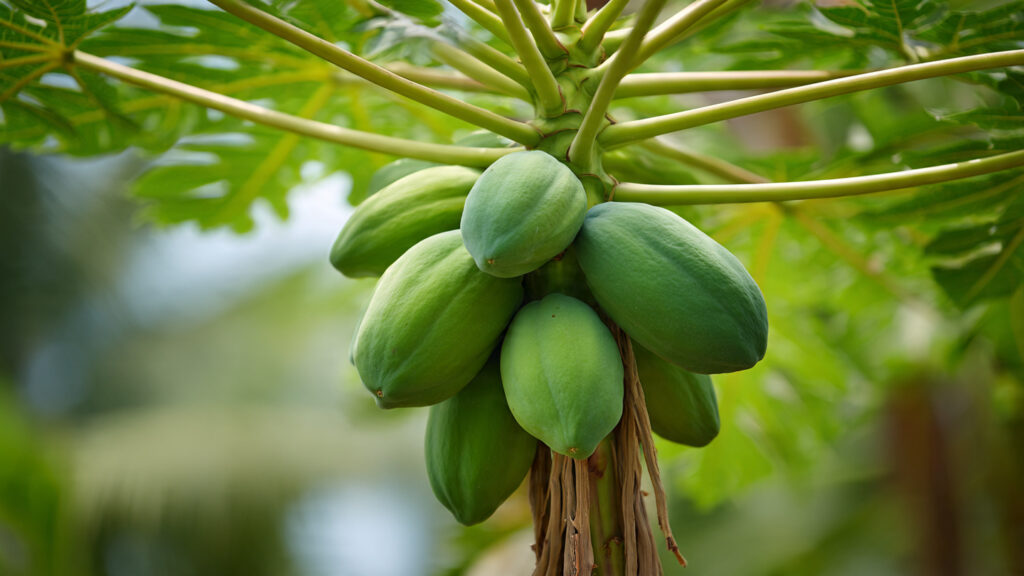
Papaya (Carica papaya) is one of the most rewarding fruit plants for home gardeners. Its vibrant orange flesh, high nutritional value, and refreshing taste make it a favorite for fresh consumption, smoothies, and desserts. Growing a papaya plant at home is not only possible but can be highly productive if done correctly. With the right techniques, you can encourage quick fruiting, ensure sweet, juicy fruits, and maintain a healthy plant that thrives year-round. This article will guide you through each step, from seed selection to harvesting.
Choosing the Right Variety
The first step to successful home cultivation is choosing a papaya variety suited for your climate and desired fruit characteristics. For home gardens, dwarf or semi-dwarf varieties are ideal because they require less space and produce fruit faster. Some popular varieties include:
- Red Lady – Known for early fruiting and sweet, bright orange fruits.
- Solo – Compact plant with smaller but very sweet fruits.
- Honey Dew – Produces slightly larger fruits with smooth texture and sweetness.
Selecting disease-resistant varieties can save time and prevent plant losses. Local nurseries or certified seed suppliers usually provide reliable options.
Propagation: Seeds vs. Grafted Plants
Papayas can be grown either from seeds or grafted plants:
- Seeds – Planting from seeds is inexpensive and easy. However, seed-grown papayas take slightly longer to fruit, usually around 9–12 months, and may grow male or hermaphrodite plants. Hermaphrodite plants are ideal for fruiting because they can self-pollinate.
- Grafted Plants – Grafting onto disease-resistant rootstocks speeds up fruiting and improves plant vigor. Grafted papayas often start producing fruit within 6–8 months and are more uniform in size and sweetness.
For home gardeners aiming for quick fruiting, grafted or hermaphrodite plants are the preferred choice.
Preparing the Soil and Container
Papaya plants thrive in well-draining, fertile soil. If planting in a garden bed or container, follow these guidelines:
- Soil Composition: Use a mix of garden soil, compost, and sand (2:1:1) for optimal drainage and nutrient availability.
- pH Level: Papayas prefer slightly acidic to neutral soil (pH 6.0–7.0).
- Containers: For container gardening, choose a large pot (minimum 18–24 inches in diameter) to allow room for root development. Ensure the container has drainage holes.
Papayas are shallow-rooted, so soil fertility and moisture retention are crucial. A rich, well-drained medium encourages faster growth and fruiting.
Planting and Spacing
Whether in the ground or container, planting depth and spacing are critical:
- Planting Depth: Seeds should be sown about 1 inch deep. Seedlings or grafted plants should be planted at the same depth as in their nursery pots.
- Spacing: Maintain 6–10 feet between plants in a garden bed to allow sufficient airflow, sunlight, and growth space. In containers, one plant per pot is ideal.
Planting in a sunny location is essential since papayas need at least 6–8 hours of direct sunlight daily to flower and produce sweet fruits.
Watering and Moisture Management
Papaya plants require consistent moisture, especially during flowering and fruiting. However, overwatering can cause root rot, which is common in papayas. Follow these guidelines:
- Water young plants daily or every other day to keep the soil slightly moist.
- Mature plants benefit from deep watering 2–3 times a week, depending on weather conditions.
- Mulching with organic materials like straw or coconut husk helps retain moisture, reduces temperature fluctuations, and suppresses weeds.
Proper water management encourages fast growth, healthy leaves, and timely fruiting.
Fertilization for Quick Fruiting
Papaya plants are heavy feeders, and nutrient management is key to producing sweet, abundant fruits. Use the following approach:
- Organic Fertilizers – Compost, well-rotted manure, or vermicompost improves soil fertility, water retention, and microbial activity.
- Nitrogen for Early Growth – Apply nitrogen-rich fertilizers during the initial stages to encourage strong stem and leaf development.
- Phosphorus and Potassium for Flowering and Fruiting – Once flowers appear, switch to phosphorus- and potassium-rich fertilizers to support fruit formation, sweetness, and size.
- Micronutrients – Calcium and magnesium prevent blossom-end rot and improve fruit quality. Foliar sprays of micronutrients every 2–3 weeks are effective.
Balanced nutrition ensures faster flowering, larger fruits, and better sugar content.
Pruning and Support
Pruning is often overlooked but plays a significant role in papaya fruit production:
- Remove diseased, yellowing, or crowded leaves to improve airflow and sunlight penetration.
- Trim lower branches to focus energy on the main stem and developing fruits.
- For taller varieties, consider staking or providing support to prevent wind damage.
Healthy, well-structured plants flower earlier and produce larger, sweeter fruits.
➡️ How to Grow Malabar Spinach from Cuttings for Fast, Easy Greens
➡️ How to Grow Super Delicious Cabbage at Home Without a Garden
➡️ How to Grow Bean Sprouts at Home in Plastic Bottles Easily (Step‑by‑Step Guide)
➡️ Why is Your Lemon Tree Blooming in the Heart of Winter?
➡️ Why Should Your Garden Have a Dedicated Pollinator Highway?
➡️ Why Do Your Fruit Trees Need a Winter Wash to Thrive in Spring?
➡️ How Can Rice Water Transform Your Fruits into Sweeter Delights?
➡️ Jumpstart Your Winter Garden: Seed Starting Under Lights
Flowering and Pollination
Papaya plants produce male, female, or hermaphrodite flowers. For home fruiting, hermaphrodite plants are ideal as they self-pollinate. If growing female plants, ensure at least one nearby male or hermaphrodite for pollination.
Hand pollination can boost fruit set in areas with few pollinators. Use a soft brush to transfer pollen from male to female flowers in the morning, when flowers are fresh.
Pest and Disease Management
Papayas can be affected by pests like aphids, whiteflies, and fruit flies, as well as diseases such as powdery mildew, root rot, and papaya ringspot virus. Preventive measures include:
- Regular inspection of leaves and stems for early signs of pests or disease.
- Using neem oil or mild organic insecticides for pest control.
- Ensuring proper spacing, sunlight, and drainage to prevent fungal infections.
Healthy plants naturally produce larger and sweeter fruits.
Harvesting for Maximum Sweetness
Timing and technique are crucial for sweet, juicy papayas:
- Harvest when fruits start turning yellow at the tip. Fully green fruits left too long may not ripen properly or can become watery.
- Use a sharp knife to cut the fruit with a short stem. Avoid pulling, which can damage the plant.
- For continuous production, remove ripe fruits promptly to encourage the plant to produce more.
Proper harvesting ensures fruits develop full sweetness and maintain optimal texture.
Tips for Quick Fruiting
To accelerate fruiting and maximize sweetness, follow these tips:
- Select Hermaphrodite or Grafted Plants – They start flowering and fruiting faster.
- Maintain Consistent Watering – Prevents stress that delays flowering.
- Use Balanced Fertilization – Adjust nutrients based on growth stage for rapid flowering and fruit development.
- Control Pruning and Mulching – Supports plant health and fruit growth.
- Monitor Pollination – Ensure flowers are fertilized to reduce aborted fruits.
By combining these techniques, you can often see fruits developing within 6–8 months, much faster than traditional seed-grown plants.
Container vs. Ground Growing
Papayas can thrive both in containers and open soil:
- Containers – Ideal for balconies or small spaces. Use large pots and nutrient-rich soil, and ensure regular watering and fertilization.
- Ground Planting – Allows for larger root development and higher yields. Best for backyard gardens with enough space.
For home growers with limited space, container cultivation is convenient, and the advanced techniques for watering, fertilization, and pruning still apply.
Conclusion
Growing papaya at home can be a highly rewarding experience if approached with care and proper techniques. By selecting the right variety, providing well-draining soil, managing nutrients, ensuring consistent watering, pruning effectively, and supporting pollination, you can achieve quick fruiting and sweet, juicy fruits in your home garden.
Papayas not only provide delicious fruits but also offer a year-round source of vitamins and antioxidants, enhancing both your diet and your garden’s appeal. With attention to detail, patience, and the right methods, even beginner gardeners can enjoy abundant, homegrown papayas in a fraction of the time it traditionally takes.
This article is approximately 1,200