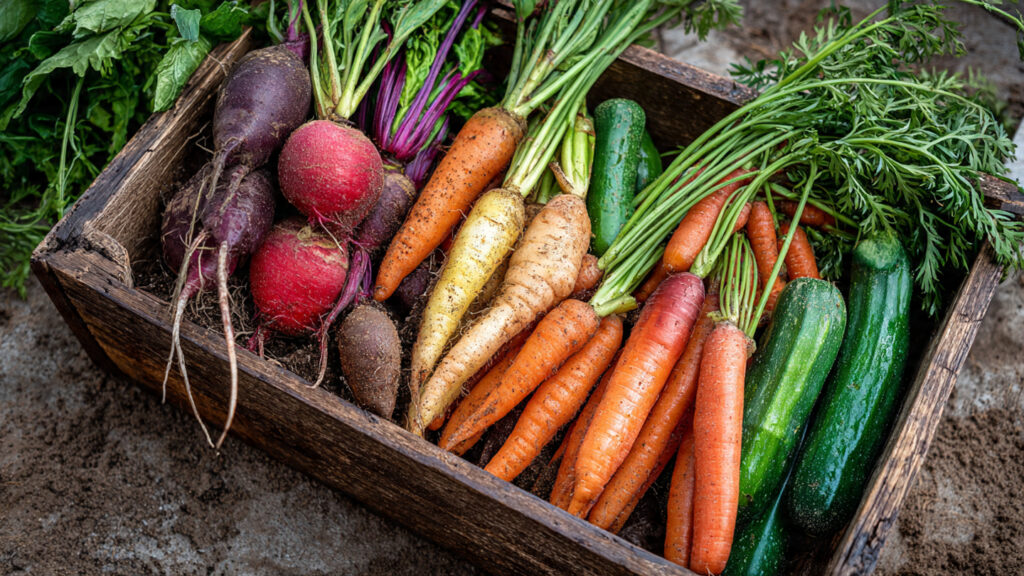
Many people believe that growing fresh vegetables at home requires a sprawling garden, fertile soil, or even a backyard. The good news is: you can enjoy homegrown vegetables even if you don’t have a garden! With small spaces, smart containers, and a little creativity, growing vegetables at home has never been easier. In this guide, I’ll show you how to grow and harvest your own vegetables—right on your balcony, terrace, or even your kitchen windowsill—without a traditional garden.
Why Grow Vegetables at Home?
Growing your own vegetables at home is not only fun, but it’s also highly rewarding. Here’s why:
- Freshness: Nothing beats the taste of vegetables harvested just minutes before you cook them.
- Nutrition: Homegrown vegetables retain more nutrients than store-bought ones that have traveled long distances.
- Cost-Effective: Over time, growing vegetables at home can save money on groceries.
- Sustainability: Reduces your carbon footprint and reliance on packaged produce.
- Therapeutic: Gardening—even in small spaces—reduces stress and improves mental health.
Even if space is limited, you can still cultivate a productive, colorful, and nutritious vegetable garden at home.
Choosing the Right Vegetables for Small Spaces
Some vegetables are better suited for container gardening and indoor growth. I recommend starting with easy-to-grow, high-yield crops:
- Leafy Greens: Spinach, lettuce, kale, and arugula grow quickly in small pots.
- Herbs: Basil, coriander, mint, and parsley thrive indoors and require minimal space.
- Tomatoes: Cherry or dwarf varieties grow well in medium-sized containers.
- Peppers: Bell peppers and chili peppers adapt well to container growth.
- Root Vegetables: Radishes, carrots, and beets do well in deep pots.
- Climbing Plants: Beans, peas, and cucumbers can be trained vertically with trellises.
Choosing the right vegetable ensures faster growth, higher yield, and easier maintenance in small spaces.
Selecting the Perfect Containers
Without a garden, containers become your primary growing space. Almost any container with drainage can work, from pots to buckets. Here’s what I use and recommend:
- Small Containers: Ideal for herbs and leafy greens.
- Medium Pots: Perfect for tomatoes, peppers, and dwarf vegetables.
- Deep Containers: Necessary for root vegetables like carrots and radishes.
- Recycled Options: Old buckets, crates, and plastic bottles can be converted into functional planters.
The key is drainage—every container must have holes at the bottom to prevent waterlogging and root rot.
Soil Preparation for Healthy Growth
Even without a garden, soil is critical for vegetable growth. I prepare a nutritious mix for my container garden:
- Base Soil: Use good-quality potting soil, not garden dirt, for containers.
- Organic Matter: Add compost, well-rotted manure, or cocopeat for nutrients.
- Aeration: Incorporate perlite or sand to improve drainage and root development.
- Fertilizers: Use slow-release organic fertilizers or liquid compost teas for regular feeding.
Healthy soil in containers is the foundation for strong, productive plants.
Planting Your Vegetables
Planting methods vary by vegetable type:
- Seeds: Perfect for leafy greens, herbs, and root vegetables. Sow seeds according to packet instructions, usually 1–2 cm deep.
- Seedlings: Tomatoes, peppers, and some herbs grow faster when started from nursery seedlings.
- Cuttings: Herbs like mint, basil, and coriander can grow from cuttings in water or soil.
When planting, space your vegetables adequately to allow air circulation and healthy root development. Crowded plants lead to poor growth and higher disease risk.
Watering and Sunlight Requirements
Even without a garden, your plants need consistent water and sunlight:
- Watering: Most vegetables need 2–3 cm of water per week. In containers, water deeply but avoid overwatering. Check soil moisture regularly.
- Sunlight: Most vegetables require 6–8 hours of sunlight daily. Place containers near windows, balconies, or terraces with ample light. If natural sunlight is limited, consider using small grow lights.
- Rotation: Occasionally rotate containers to ensure even growth on all sides.
Proper watering and sunlight management ensures stronger, healthier plants and better yields.
Fertilization and Nutrient Management
Vegetables in containers rely solely on you for nutrients. I follow a simple fertilization plan:
- Organic Liquid Fertilizers: Compost tea or diluted liquid fertilizer every 2 weeks.
- Slow-Release Fertilizers: Provide nutrients for 2–3 months, ideal for longer-growing vegetables like tomatoes.
- Micronutrients: Occasionally add crushed eggshells (calcium) or neem cake for pest control.
Balanced nutrition ensures your plants grow fast, resist disease, and produce more vegetables.
➡️ How to Grow Malabar Spinach from Cuttings for Fast, Easy Greens
➡️ How to Grow Super Delicious Cabbage at Home Without a Garden
➡️ How to Grow Bean Sprouts at Home in Plastic Bottles Easily (Step‑by‑Step Guide)
➡️ Why is Your Lemon Tree Blooming in the Heart of Winter?
➡️ Why Should Your Garden Have a Dedicated Pollinator Highway?
➡️ Why Do Your Fruit Trees Need a Winter Wash to Thrive in Spring?
➡️ How Can Rice Water Transform Your Fruits into Sweeter Delights?
➡️ Jumpstart Your Winter Garden: Seed Starting Under Lights
Pest and Disease Management
Even without a garden, container vegetables face pests and diseases. Here’s how I keep my plants healthy naturally:
- Neem Oil Spray: Effective against common pests like aphids and mites.
- Manual Removal: Check leaves regularly and remove visible pests.
- Cleanliness: Remove yellowing leaves and prune overcrowded areas.
- Companion Planting: Plant herbs or flowers alongside vegetables to repel pests.
Healthy plants are more productive and less prone to disease.
Harvesting Your Homegrown Vegetables
The reward for container gardening comes at harvest time. Here’s how to get the best results:
- Leafy Greens: Harvest leaves as they mature, leaving the base intact for continuous growth.
- Root Vegetables: Pull radishes or carrots when they reach the desired size.
- Fruiting Vegetables: Pick tomatoes, peppers, and cucumbers regularly to encourage more flowering and fruiting.
- Herbs: Trim regularly, which promotes bushier growth and stronger flavor.
Frequent harvesting keeps your plants productive and ensures a steady supply of fresh vegetables.
Space-Saving Tips for Urban Gardening
Maximizing space is essential when you don’t have a garden. I use several strategies:
- Vertical Gardening: Trellises, hanging baskets, and wall-mounted planters allow climbing plants to grow upwards.
- Succession Planting: Stagger plantings to have vegetables ready for harvest at different times.
- Multi-Layered Containers: Stackable planters and tiered racks make the most of balcony or terrace space.
- Creative Placement: Windowsills, kitchen counters, and unused corners can house small pots.
These strategies let you grow more vegetables in limited spaces without sacrificing yield.
The Joy of Growing Vegetables Without a Garden
Growing vegetables at home without a garden has been transformative for me. From harvesting tender spinach for morning smoothies to plucking cherry tomatoes for lunch, every step brings satisfaction. With minimal investment, consistent care, and creativity, even small urban spaces can provide a steady supply of fresh, nutritious vegetables.
This approach proves that you don’t need acres of land to enjoy the benefits of homegrown produce. By choosing the right vegetables, using containers smartly, and managing soil, water, and nutrients carefully, anyone can cultivate a thriving vegetable garden—even without a traditional garden.
Urban gardening isn’t just about food; it’s about reconnecting with nature, enjoying the therapeutic process of nurturing plants, and experiencing the joy of harvesting something you grew with your own hands.
No garden? No problem. With a little ingenuity and consistent care, your home can be your vegetable garden—and your kitchen the gateway to a year-round supply of fresh, homegrown produce.