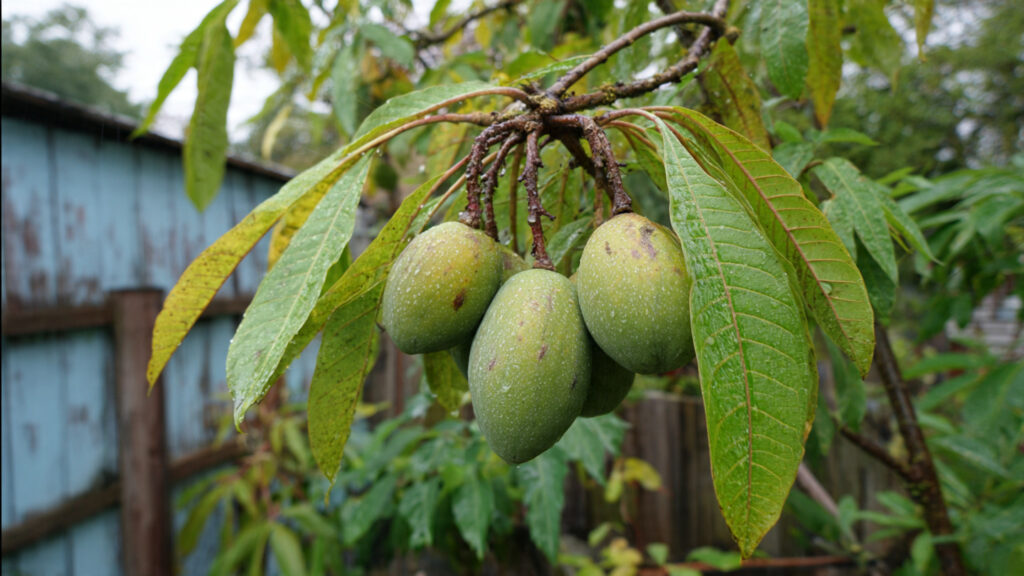
Pawpaw trees, belonging to the genus Asimina triloba, are North America’s largest native fruit trees. Known for their tropical-flavored, custard-like fruit, pawpaws are increasingly gaining attention among home gardeners and backyard orchard enthusiasts. While most people associate pawpaws with warmer climates, there are cold-tolerant varieties that allow gardeners in northern regions to enjoy this unique fruit. Growing these resilient varieties successfully requires understanding their climate needs, soil preferences, pollination requirements, and careful orchard management. This guide will help you cultivate cold-tolerant pawpaw varieties so your backyard orchard thrives year after year.
Understanding Cold-Tolerant Pawpaw Varieties
One of the main challenges in growing pawpaws in colder regions is winter hardiness. Pawpaw trees naturally grow in the understories of forests, primarily in USDA zones 5 through 9. While most varieties can withstand mild frost, cold-tolerant cultivars are essential for areas that experience harsh winters. Some popular cold-hardy pawpaw varieties include:
- ‘Overleese’ – Known for large, sweet fruits and strong cold tolerance.
- ‘NC-1’ and ‘NC-2’ – Developed by North Carolina State University for resilience and high yield.
- ‘Sunflower’ – A reliable northern cultivar producing medium-sized, flavorful fruits.
- ‘Susquehanna’ – Hardy and adaptable, with excellent fruit quality.
Choosing the right variety ensures your pawpaw trees survive winter lows while producing abundant, delicious fruit.
Choosing the Right Site for Your Pawpaw Orchard
Pawpaw trees thrive in well-drained, fertile soil with a slightly acidic to neutral pH (around 5.5–7.0). While they are adaptable, selecting a site with proper sunlight, drainage, and protection from harsh winds is critical:
- Sunlight: Young pawpaw seedlings prefer partial shade during their first couple of years. Mature trees, however, flourish in full sun, producing larger and sweeter fruits.
- Soil drainage: Avoid waterlogged areas. Pawpaws tolerate occasional wetness but roots can rot in saturated soil. Raised beds or gently sloped areas are ideal.
- Wind protection: Cold winds can damage young shoots and flowers. Planting near a fence, hedge, or natural windbreak can improve survival and fruit set.
By selecting an ideal location, you give your cold-tolerant pawpaw trees the best chance for a thriving orchard.
Planting Cold-Tolerant Pawpaw Trees
When planting pawpaws, timing and technique matter. The best time to plant is early spring or late fall when trees are dormant. Here’s a step-by-step guide:
- Prepare the soil: Dig a hole twice as wide and as deep as the root ball. Mix compost into the backfill soil to improve fertility.
- Planting depth: Ensure the top of the root ball is level with the soil surface to prevent stem rot.
- Spacing: Pawpaw trees need room to grow. Space them 10–15 feet apart to allow air circulation and sunlight penetration.
- Mulching: Apply a 2–3 inch layer of organic mulch around the base, keeping it a few inches away from the trunk. Mulch helps retain soil moisture, regulates temperature, and suppresses weeds.
Correct planting ensures strong root establishment and healthier growth during the tree’s formative years.
Cold Protection Strategies
Even cold-tolerant pawpaw varieties can benefit from some protection during extreme winters, especially in zones 5–6:
- Mulching for winter: A thick layer of mulch (straw, leaves, or wood chips) around the base protects roots from freezing.
- Tree wraps or guards: Wrapping young trunks with breathable fabric can prevent frost cracks.
- Snow cover: Natural snow acts as insulation. If snow is scarce, consider using burlap sheets or garden blankets to cover small trees during severe cold snaps.
By implementing these strategies, you reduce winter stress and increase the likelihood of survival and early fruiting.
Pollination for Maximum Fruit Production
Pawpaw trees are not self-pollinating, meaning you need at least two genetically distinct trees for fruit production. The flowers are primarily pollinated by flies and beetles rather than bees, so natural pollination can be limited in backyard settings. To improve fruit set:
- Plant multiple trees: Space two or more trees within 50 feet to ensure cross-pollination.
- Hand pollination: Using a small brush, transfer pollen from one flower to another to increase fruit yield.
- Encourage pollinators: Plant companion flowers that attract flies and beetles near your orchard.
A focus on effective pollination ensures your cold-tolerant pawpaw varieties produce abundant, high-quality fruit each season.
Watering and Fertilization
Pawpaw trees require consistent moisture, especially during fruit development. While they tolerate short dry periods, uneven watering can cause fruit drop or reduce size:
- Watering schedule: Water deeply once or twice a week during dry spells, providing at least 1 inch of water per week.
- Fertilization: Young trees benefit from a balanced fertilizer (10-10-10) in early spring. Mature trees can receive an additional dose of fertilizer during flowering to boost fruit development.
- Organic amendments: Compost and well-rotted manure improve soil fertility and structure.
Maintaining adequate water and nutrient levels supports healthy growth, larger fruits, and better cold resilience.
Pruning and Maintenance
Proper pruning improves airflow, sunlight exposure, and overall tree health:
- Training young trees: Select a central leader and remove competing branches to form a strong structure.
- Removing dead wood: Prune dead, damaged, or crossing branches to prevent disease.
- Thinning fruits: For heavy yields, consider thinning some fruits to allow remaining fruits to grow larger and reduce limb stress.
Regular pruning helps cold-tolerant pawpaw varieties withstand winter and encourages consistent fruit production.
➡️ How to Grow Malabar Spinach from Cuttings for Fast, Easy Greens
➡️ How to Grow Super Delicious Cabbage at Home Without a Garden
➡️ How to Grow Bean Sprouts at Home in Plastic Bottles Easily (Step‑by‑Step Guide)
➡️ Why is Your Lemon Tree Blooming in the Heart of Winter?
➡️ Why Should Your Garden Have a Dedicated Pollinator Highway?
➡️ Why Do Your Fruit Trees Need a Winter Wash to Thrive in Spring?
➡️ How Can Rice Water Transform Your Fruits into Sweeter Delights?
➡️ Jumpstart Your Winter Garden: Seed Starting Under Lights
Harvesting and Storage
Pawpaw fruits are best harvested when fully ripe, as they do not ripen well off the tree. Signs of ripeness include:
- Fruit softens slightly when gently pressed.
- Skin color changes from green to yellow or brownish-green, depending on the variety.
- Fragrant aroma develops.
Once harvested, pawpaws can be stored at room temperature for a few days or in the refrigerator for up to a week. For longer storage, consider freezing or making preserves.
Pest and Disease Management
Cold-tolerant pawpaw varieties are generally hardy, but they are not immune to pests or diseases:
- Common pests: Pawpaw peduncle borer, scale insects, and aphids.
- Disease threats: Pawpaw trees can develop leaf spot or canker.
- Preventive measures: Proper spacing, pruning, and airflow reduce fungal issues. Insecticidal soaps or horticultural oils can manage pests effectively.
Monitoring trees regularly ensures early detection and treatment, keeping your orchard healthy.
Creating a Thriving Backyard Orchard
Combining these strategies—choosing cold-tolerant varieties, selecting the right site, ensuring proper pollination, and providing consistent care—allows you to grow a thriving backyard pawpaw orchard. By nurturing these unique trees, you’ll enjoy not only delicious fruits but also the aesthetic appeal and ecological benefits of a native fruit tree.
Pawpaws are a long-term investment. They take a few years to reach full fruiting potential, but with patience and proper care, your cold-tolerant pawpaw orchard can provide fresh, tropical-flavored fruit for decades, even in regions that experience harsh winters.
Conclusion
Growing cold-tolerant pawpaw varieties in your backyard may seem challenging at first, but with the right variety selection, careful planting, and attentive orchard management, it is highly rewarding. From site selection and planting techniques to winter protection, pollination, and proper maintenance, each step contributes to a thriving orchard and abundant harvests. By embracing these practices, even gardeners in northern climates can enjoy the exotic taste and beauty of pawpaws right at home.
Start your pawpaw orchard today and take the first step toward cultivating one of North America’s most unique and flavorful fruits—hardy, cold-tolerant, and incredibly rewarding.