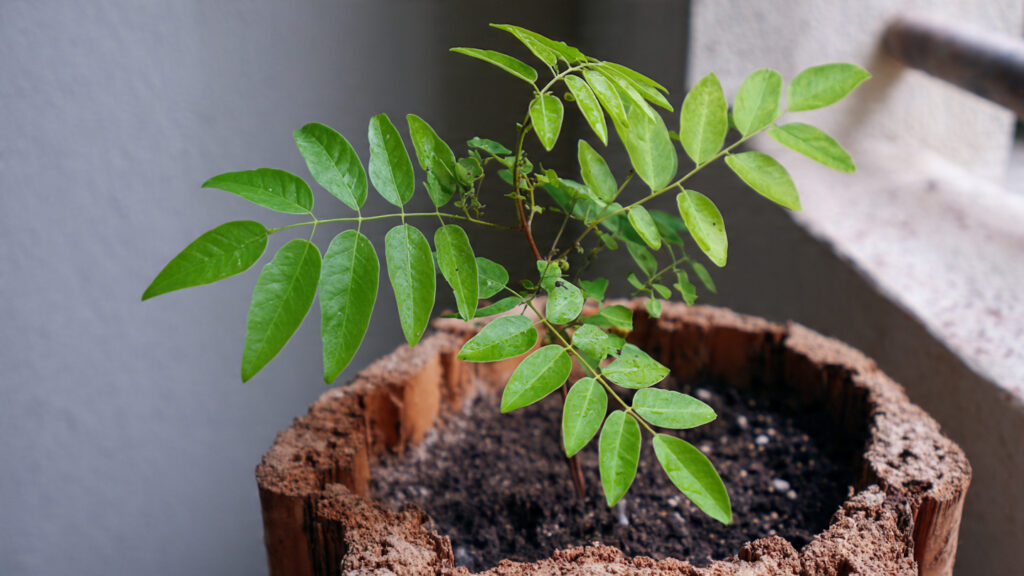
The curry leaf plant (Murraya koenigii) is a beloved herb in Indian and Southeast Asian cuisine, prized for its aromatic leaves that add depth and flavor to curries, soups, and chutneys. While growing curry leaves from seeds is common, propagating a plant from an old woody stem is a remarkable and cost-effective method, especially when you want to rejuvenate an aging plant or multiply an existing one. With the right techniques, patience, and care, even a seemingly lifeless stem can sprout into a thriving, productive curry leaf plant. This guide provides a comprehensive, step-by-step approach to successfully growing curry leaves from an old woody stem.
Understanding the Curry Leaf Plant and Woody Stems
Curry leaf plants are hardy, drought-tolerant shrubs that naturally grow in tropical and subtropical climates. Over time, stems of older plants can become woody, losing some of their vitality. However, these stems still contain latent nodes and tissues capable of generating new roots and shoots when provided optimal conditions. Propagating from an old woody stem is not only sustainable but also ensures that the new plant retains the characteristics of the parent plant, unlike seed propagation which may show variability.
Selecting the Right Stem
The first step to successful propagation is selecting a healthy old woody stem. Not every stem will respond well, so careful selection is crucial:
- Age of the Stem: Look for stems that are 1–2 years old and firm but not brittle. Too young, and they may not survive transplanting; too old, and they may have lost regenerative ability.
- Node Availability: Nodes are small protrusions along the stem from which new leaves and roots can emerge. Ensure your chosen stem has at least 2–3 healthy nodes.
- Overall Health: Avoid stems that are diseased, moldy, or excessively dry. Healthy stems should have a consistent color, firm texture, and minimal cracking.
Preparing the Woody Stem for Planting
Once you’ve selected a suitable stem, proper preparation increases the chances of successful rooting:
- Cutting the Stem: Use sterilized pruning shears to cut a 6–8 inch section from the parent plant. Make a clean cut just below a node, as this will become the site for root development.
- Remove Lower Leaves: Strip off leaves from the bottom half of the stem. This reduces moisture loss and prevents rotting during rooting.
- Optional Rooting Hormone: Dipping the cut end into a rooting hormone powder can stimulate root growth and improve success rates, though it is not strictly necessary.
Choosing the Right Soil and Pot
Woody stems require well-draining soil to prevent waterlogging, which can cause rot:
- Soil Mix: A combination of garden soil, sand, and compost (2:1:1) works best. This mix provides nutrients while allowing water to drain quickly.
- Pot Selection: Use a small to medium-sized pot with drainage holes at the bottom. Shallow containers help young roots establish faster.
- Sterilization: If using reused pots or soil, sterilize them to minimize the risk of fungal infections.
Planting the Stem
Planting correctly ensures the stem can develop roots successfully:
- Position the Stem: Insert the lower half of the stem (with nodes) into the soil. Ensure at least one node is buried to promote rooting.
- Firm the Soil: Gently press the soil around the stem to remove air pockets. Avoid compacting too hard, which can inhibit root formation.
- Initial Watering: Lightly water the soil after planting to settle it. Keep it damp but not soggy during the initial rooting period.
Creating Optimal Conditions for Rooting
Woody stems require a stable, nurturing environment to encourage root formation:
- Temperature: Keep the plant in a warm location, ideally between 25–30°C (77–86°F). Curry leaf stems root faster in warm, humid conditions.
- Humidity: Cover the stem with a clear plastic bag or use a mini greenhouse setup to maintain humidity, which reduces moisture loss. Remove the cover daily for ventilation.
- Sunlight: Provide bright, indirect sunlight. Direct afternoon sun may be too harsh for the stem initially. Once leaves start emerging, gradually introduce more sunlight.
Watering and Care During Rooting
Proper watering is critical during the rooting phase:
- Consistency: Maintain soil moisture but avoid waterlogging. Overwatering is the main cause of failure when propagating woody stems.
- Misting: Lightly mist the stem every day to keep the nodes hydrated.
- Monitoring: Check for signs of rot or fungal growth. Yellowing or softening indicates excessive moisture or poor soil drainage.
Encouraging Leaf Growth and Strong Roots
Once roots begin to form (usually within 4–6 weeks), the focus shifts to developing foliage and a strong root system:
- Fertilization: Apply a diluted, balanced liquid fertilizer every 2–3 weeks to encourage leaf development. Avoid over-fertilizing young stems.
- Pruning: Trim the top few inches once new growth emerges to encourage branching and a bushier plant.
- Transplanting: After 2–3 months, when roots are well-established, transplant the plant into a larger pot or garden bed. Ensure the soil remains well-draining and nutrient-rich.
Common Challenges and How to Overcome Them
Propagation from woody stems can present some hurdles:
- Stem Rot: Caused by excessive moisture. Use well-draining soil and water sparingly.
- Slow Growth: Some stems may take longer to sprout leaves. Patience is key; healthy stems will eventually produce shoots.
- Pests: Aphids or mealybugs may attack young shoots. Treat with neem oil or insecticidal soap if necessary.
- Leaf Yellowing: Often due to nutrient deficiency or irregular watering. Adjust fertilization and watering schedule accordingly.
Benefits of Propagating Curry Leaf from Woody Stem
Growing curry leaf plants from woody stems offers several advantages:
- Cost-Effective: You can multiply plants without buying new seeds or saplings.
- Preserves Plant Traits: Ensures the new plant has the same flavor and leaf quality as the parent.
- Sustainable Gardening: Reduces waste by using old stems that might otherwise be discarded.
- Faster Maturity: Woody stems often establish faster than seedlings, producing leaves in less time.
Long-Term Care for a Thriving Curry Leaf Plant
Once your woody stem has successfully rooted and grown into a healthy plant, maintaining its vigor is essential:
- Sunlight: Ensure the plant receives at least 6–8 hours of sunlight daily.
- Watering: Water deeply once or twice a week, depending on climate, allowing soil to dry slightly between watering.
- Pruning: Regularly prune to promote bushy growth and prevent legginess.
- Fertilization: Feed with organic compost or balanced fertilizer every month during the growing season.
- Pest Management: Monitor for pests regularly and use natural remedies whenever possible.
Harvesting Curry Leaves
The ultimate reward of propagating from a woody stem is harvesting fresh, flavorful leaves:
- Timing: Begin harvesting once the plant is well-established and has multiple branches, typically 6–8 months after propagation.
- Method: Use clean scissors to snip the outer leaves, leaving the inner shoots to continue growing.
- Frequency: Regular harvesting encourages new growth and keeps the plant productive.
Conclusion
Propagating curry leaf plants from old woody stems is a highly rewarding gardening technique that combines sustainability with practicality. By selecting healthy stems, preparing them carefully, providing optimal soil, water, and environmental conditions, and monitoring growth patiently, even seemingly lifeless stems can flourish into a thriving herb plant. With continued care, your curry leaf plant will provide fresh, aromatic leaves for years, enhancing your culinary creations and enriching your home garden.
This step-by-step guide empowers gardeners of all skill levels to rejuvenate old stems, multiply plants, and enjoy the rich, flavorful bounty of fresh curry leaves at home. With patience, consistency, and the right approach, success is guaranteed.
➡️ How to Grow Malabar Spinach from Cuttings for Fast, Easy Greens
➡️ How to Grow Super Delicious Cabbage at Home Without a Garden
➡️ How to Grow Bean Sprouts at Home in Plastic Bottles Easily (Step‑by‑Step Guide)
➡️ Why is Your Lemon Tree Blooming in the Heart of Winter?
➡️ Why Should Your Garden Have a Dedicated Pollinator Highway?
➡️ Why Do Your Fruit Trees Need a Winter Wash to Thrive in Spring?
➡️ How Can Rice Water Transform Your Fruits into Sweeter Delights?
➡️ Jumpstart Your Winter Garden: Seed Starting Under Lights