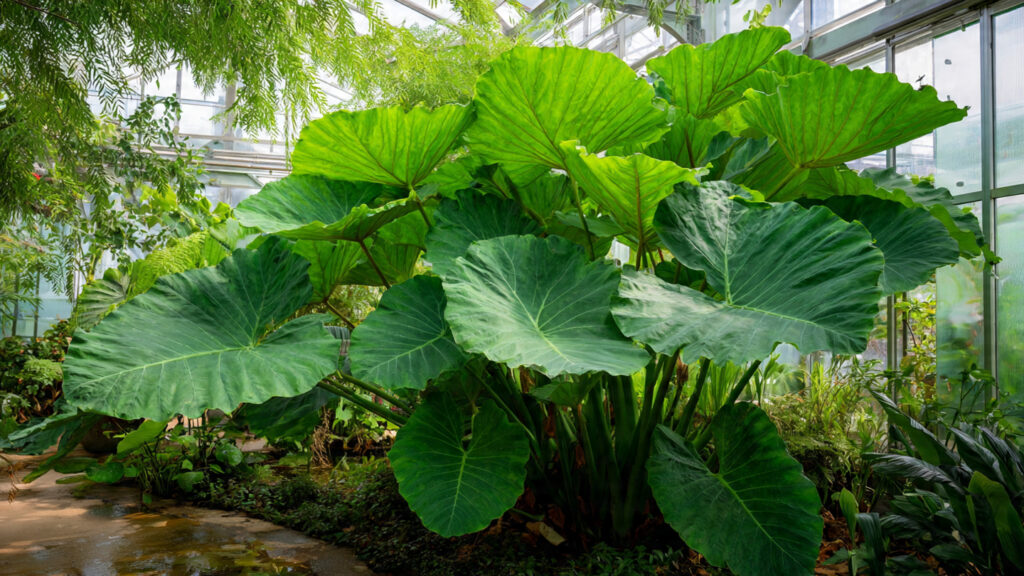
If you’re looking to create a dramatic, tropical-inspired landscape, few plants make as bold a statement as elephant ear plants (Colocasia and Alocasia species). Known for their enormous, heart-shaped leaves and striking foliage, elephant ears are a favorite among gardeners who want to add instant visual impact to gardens, patios, and indoor spaces. Beyond their aesthetic appeal, these plants are relatively easy to grow, provided you understand their needs for sunlight, water, soil, and seasonal care.
This comprehensive guide explores how to grow elephant ear plants successfully, highlighting planting strategies, maintenance tips, pruning, pest management, and creative landscaping ideas to ensure a bold, attention-commanding leaf display.
Understanding Elephant Ear Plants
Elephant ear plants belong to the Araceae family and are prized for their large, tropical-looking leaves that can reach up to several feet long. The common genera used in gardens are:
- Colocasia: Often called “taro,” these plants have leaves that point downward. They thrive in wet or boggy conditions and are hardy in tropical and subtropical climates.
- Alocasia: Known for their upright, arrow-shaped leaves and sometimes dramatic veining. These plants prefer slightly drier conditions compared to Colocasia and often grow taller.
Key characteristics:
- Large, broad leaves that create a lush, tropical effect
- Rhizomatous or tuberous root systems
- Rapid growth in warm, humid conditions
- Flowering is rare in garden settings; the focus is primarily on foliage
Understanding these traits is essential for creating a garden display that emphasizes the plant’s bold leaf structure.
Choosing the Right Variety
Elephant ear plants come in various sizes, colors, and leaf shapes, offering flexibility in landscape design.
Popular Varieties for Bold Landscaping:
- Colocasia ‘Black Magic’: Deep purple, almost black leaves that create striking contrast.
- Colocasia ‘Thailand Giant’: Giant green leaves that can reach over 4 feet long.
- Alocasia ‘Polly’: Compact, upright leaves with deep green and silver veining.
- Alocasia ‘Macrorrhiza’: Large, arrow-shaped leaves with impressive structural presence.
Selecting varieties with contrasting colors, heights, and textures can create a layered, visually appealing landscape.
Container vs. In-Ground Planting
Elephant ear plants can thrive both in containers and in the ground. The choice depends on your space, climate, and design goals.
Container Planting:
- Ideal for patios, terraces, and areas with limited space.
- Allows mobility to protect plants from frost in colder climates.
- Use large containers (at least 15–20 gallons) to accommodate rapid root growth.
- Ensure good drainage to prevent waterlogging.
In-Ground Planting:
- Best for permanent tropical or subtropical garden beds.
- Space plants 3–6 feet apart depending on size to allow for leaf expansion.
- Incorporate rich, well-draining soil to support rapid growth and vibrant foliage.
Containers provide flexibility, while in-ground planting maximizes leaf spread and creates a natural tropical effect.
Soil Requirements
Elephant ears thrive in nutrient-rich, well-draining soil that retains moisture without becoming waterlogged.
Ideal Soil Mix:
- 40% garden soil or loam
- 30% organic compost or well-rotted manure
- 20% peat moss or coco coir for moisture retention
- 10% perlite or coarse sand for aeration
The soil should be slightly acidic to neutral (pH 6.0–7.0). Amending soil with compost not only improves fertility but also encourages the development of large, healthy leaves.
Planting Elephant Ears
Proper planting ensures strong growth and dramatic foliage.
Steps for Successful Planting:
- Select Healthy Tubers or Rhizomes: Choose firm, plump tubers with visible “eyes” for sprouting.
- Prepare the Planting Area: Loosen the soil, add compost, and ensure adequate drainage.
- Planting Depth: Plant tubers 2–3 inches below the soil surface, with the sprouting tip facing upward.
- Spacing: For bold landscapes, space plants 3–4 feet apart to allow leaves to unfurl fully.
- Watering: Water immediately after planting to settle the soil and provide moisture for sprouting.
For container planting, use a well-draining potting mix and ensure the container has ample drainage holes to prevent root rot.
Sunlight and Temperature Requirements
Elephant ears thrive in warm, humid conditions and bright light but can tolerate partial shade.
Guidelines:
- Full Sun: Promotes rapid growth and larger leaves in most varieties, but some Alocasia types may scorch in intense sunlight.
- Partial Shade: Ideal for tropical understory effect and sensitive varieties with colored leaves.
- Temperature: Optimal growth occurs between 65–85°F (18–29°C). Protect from frost and temperatures below 50°F (10°C).
Balancing light exposure ensures leaves develop vibrant colors and maintain their structural integrity.
➡️ How to Grow Malabar Spinach from Cuttings for Fast, Easy Greens
➡️ How to Grow Super Delicious Cabbage at Home Without a Garden
➡️ How to Grow Bean Sprouts at Home in Plastic Bottles Easily (Step‑by‑Step Guide)
➡️ Why is Your Lemon Tree Blooming in the Heart of Winter?
➡️ Why Should Your Garden Have a Dedicated Pollinator Highway?
➡️ Why Do Your Fruit Trees Need a Winter Wash to Thrive in Spring?
➡️ How Can Rice Water Transform Your Fruits into Sweeter Delights?
➡️ Jumpstart Your Winter Garden: Seed Starting Under Lights
Watering and Moisture Management
Elephant ears are moisture-loving plants and grow best with consistent water supply.
Best Practices:
- Keep the soil consistently moist but not waterlogged.
- Water deeply 2–3 times per week in hot, dry conditions.
- Reduce watering slightly in cooler seasons or when the plant is dormant.
- For in-ground planting, consider mulching around the base to retain soil moisture.
Adequate watering encourages large, turgid leaves that command attention in the landscape.
Fertilization for Bold Growth
Elephant ear plants are heavy feeders. Fertilization promotes leaf size, color, and overall vigor.
Fertilization Tips:
- Use a balanced, slow-release fertilizer (10-10-10 NPK) every 4–6 weeks during the growing season.
- Supplement with liquid fertilizer high in nitrogen to encourage leafy growth.
- Avoid over-fertilization, which can burn roots or cause excessive leafy growth at the expense of overall plant health.
Regular feeding ensures leaves reach their full size, creating that bold, tropical look that elephant ears are famous for.
Supporting and Training Elephant Ear Plants
Many elephant ear varieties grow tall and require support to prevent leaf damage from wind or rain.
Techniques:
- Use stakes or bamboo poles for taller varieties.
- In containers, ensure the plant is stable and cannot tip over under the weight of large leaves.
- Regularly remove damaged or broken leaves to maintain a tidy appearance.
Proper support keeps the leaves upright and prevents tearing, which preserves the dramatic visual impact.
Pruning and Maintenance
Pruning elephant ears is mainly about removing old or damaged foliage to allow new leaves to develop fully.
Tips:
- Remove yellowing, damaged, or diseased leaves promptly.
- Cut leaves at the base using sharp pruners to prevent fungal issues.
- Thin older leaves to improve airflow and reduce overcrowding.
Pruning maintains a clean, visually striking plant and promotes continuous leaf growth.
Pest and Disease Management
Elephant ears are generally hardy but can face common pests and diseases:
Common Pests:
- Aphids: Small insects on leaf undersides
- Spider mites: Cause yellow speckles on leaves
- Snails and slugs: Feed on young leaves
Diseases:
- Leaf spot or fungal infections in poorly drained soil
- Root rot from overwatering
Management Tips:
- Inspect plants regularly and remove pests manually when possible.
- Use neem oil or insecticidal soap for infestations.
- Ensure good drainage and avoid waterlogging to reduce disease risk.
Healthy plants with proper watering and sunlight are less prone to pests and diseases.
Landscaping Ideas with Elephant Ears
Elephant ears are versatile in garden design and can be used to create a tropical or bold focal point.
Creative Uses:
- Focal Points: Plant in clusters for a dramatic centerpiece.
- Borders: Use along pathways or patios for a lush, green edge.
- Containers: Combine with flowering tropicals for contrasting textures.
- Pond or Water Feature Planting: Thrives near ponds, creating a natural, tropical effect.
Their oversized leaves draw the eye and create movement in the garden as they sway in the wind, enhancing visual interest.
Seasonal Care
Elephant ears are perennial in tropical climates but may die back in cooler regions.
Seasonal Tips:
- Spring: Plant tubers or bring containers outdoors after frost danger.
- Summer: Water and fertilize regularly, monitor for pests.
- Fall: Reduce watering as growth slows; cut back leaves in preparation for dormancy.
- Winter: In cold climates, dig up tubers and store them in a cool, dry place indoors.
Understanding seasonal needs ensures elephant ears thrive year after year.
Final Thoughts
Elephant ear plants are a bold, dramatic addition to any landscape. With proper selection, planting, and care, these tropical beauties can create a lush, attention-commanding environment that serves as a focal point or enhances other garden elements.
Key takeaways for success:
- Choose the right variety for your space and climate.
- Plant in rich, well-draining soil, either in containers or directly in the garden.
- Provide adequate sunlight, water, and fertilization to promote giant, vibrant leaves.
- Support tall varieties and prune damaged foliage for a clean, healthy display.
- Monitor for pests and diseases, particularly in humid conditions.
By combining these techniques, gardeners can cultivate elephant ears that are not only visually striking but also healthy, vigorous, and long-lasting. Whether in a container on a balcony or as a centerpiece in a tropical garden, elephant ears are sure to command attention with their bold, majestic foliage.