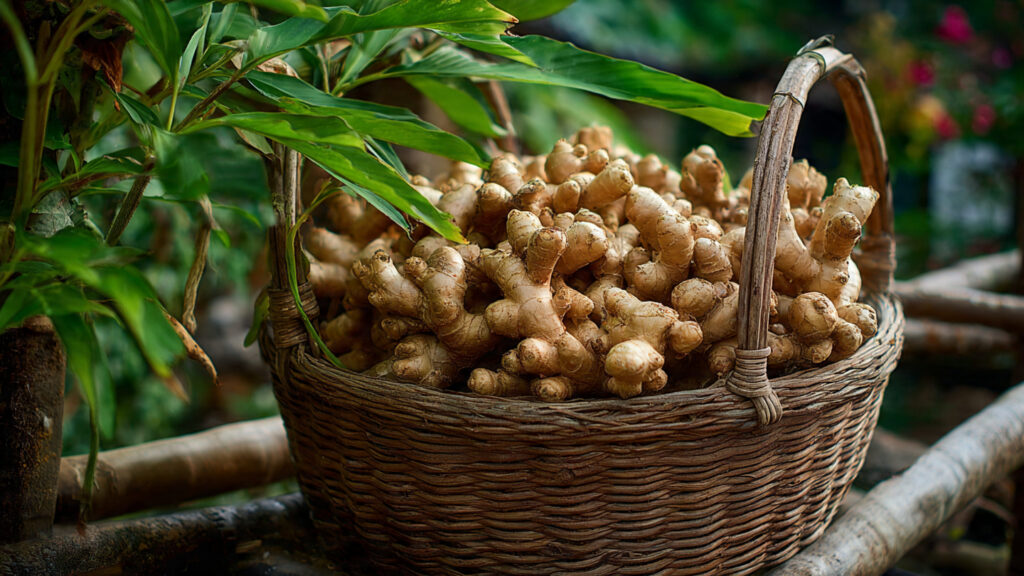
Ginger is more than just a spice—it’s a powerhouse of flavor, nutrition, and medicinal benefits. From boosting immunity to aiding digestion, ginger has earned its place in kitchens and medicine cabinets around the world. What many people don’t realize is that you can easily grow ginger at home, even in small containers, pots, or garden beds. In this guide, I’ll share everything you need to know about growing ginger at home, its health benefits, culinary uses, and easy cultivation tips that anyone—beginner or experienced gardener—can follow.
Why Grow Ginger at Home?
Growing ginger at home is not only convenient but also highly rewarding. Here are some reasons to consider cultivating your own ginger:
- Freshness: Homegrown ginger is more aromatic and flavorful than store-bought varieties.
- Chemical-Free: You control the soil and can avoid pesticides and preservatives.
- Cost-Effective: Ginger is easy to propagate from rhizomes, reducing the need to buy fresh ginger regularly.
- Sustainability: Home cultivation reduces reliance on imported produce and packaging waste.
- Health Benefits: Access to fresh ginger year-round enhances nutrition and wellness.
By growing ginger at home, you can enjoy fresh, potent rhizomes for cooking, teas, and natural remedies.
Health Benefits of Ginger
Ginger has a long history of medicinal and culinary use. Some of its most notable health benefits include:
- Anti-Inflammatory Properties: Ginger contains compounds like gingerol that reduce inflammation and joint pain.
- Digestive Aid: It promotes healthy digestion, alleviates bloating, and reduces nausea.
- Immune Booster: Regular consumption supports immunity, particularly during cold and flu seasons.
- Heart Health: Ginger may help reduce cholesterol levels and improve circulation.
- Antioxidant-Rich: It combats oxidative stress, promoting overall wellness.
Having a fresh supply at home ensures you can harness these benefits whenever needed.
Selecting the Right Ginger Rhizome
Ginger grows from rhizomes, which are the underground stems commonly found in grocery stores or nurseries. For home cultivation:
- Choose Healthy Rhizomes: Look for plump, firm, and fresh ginger with visible “eyes” or growth buds. Avoid wrinkled or moldy pieces.
- Organic Rhizomes Are Best: Store-bought ginger is often treated with growth inhibitors. Organic rhizomes have a higher chance of successful sprouting.
- Size Matters: Choose medium-sized rhizomes. Large pieces can be cut into smaller sections for multiple plants.
Proper selection is crucial for successful growth and high yields.
Preparing Ginger for Planting
Before planting, prepare your rhizomes to encourage healthy growth:
- Soak the Rhizomes: Soak the ginger pieces in water for 12–24 hours to stimulate sprouting.
- Optional Cutting: If the rhizome is large, cut it into sections with at least one growth bud per piece. Let cut pieces dry for a day to prevent rotting.
- Choose a Container or Garden Bed: Ginger thrives in pots, raised beds, or garden soil with good drainage.
Once prepared, your rhizomes are ready to be planted.
Choosing the Right Soil and Container
Ginger prefers loose, fertile, and well-draining soil. Compact or clay-heavy soil can stunt growth and cause rhizome rot.
Soil Tips:
- Mix garden soil with compost, sand, and organic matter.
- Maintain slightly acidic to neutral pH (5.5–6.5).
- Ensure the soil is rich in nutrients to support rhizome development.
Container Tips:
- Use a wide, shallow pot or raised bed, as ginger grows horizontally.
- Ensure proper drainage holes at the bottom to prevent waterlogging.
- Containers allow you to control soil conditions and move plants if needed.
Planting Ginger
Planting ginger is straightforward but requires some attention:
- Depth: Plant rhizomes 1–2 inches deep in the soil, with buds facing upwards.
- Spacing: Allow 6–8 inches between pieces to give rhizomes room to spread.
- Orientation: Lay the rhizome horizontally to mimic natural growth.
- Covering: Lightly cover with soil and water gently to settle it.
Ginger prefers warm, humid environments and indirect sunlight. Place your container in a spot with filtered light or partial sun.
Watering and Care
Proper watering is essential for healthy ginger growth.
- Consistency: Keep soil consistently moist but not soggy. Overwatering can lead to root rot.
- Humidity: Ginger thrives in humid conditions. Misting or placing containers near a humidity source can help.
- Fertilization: Feed monthly with compost or balanced liquid fertilizer to encourage strong rhizome development.
- Temperature: Maintain a warm environment (75–85°F / 24–29°C). Ginger grows slowly in cold weather.
With consistent care, the plant will start sprouting leaves in 2–4 weeks.
Mulching and Weed Control
Mulching helps retain soil moisture and keeps weeds at bay:
➡️ How to Grow Malabar Spinach from Cuttings for Fast, Easy Greens
➡️ How to Grow Super Delicious Cabbage at Home Without a Garden
➡️ How to Grow Bean Sprouts at Home in Plastic Bottles Easily (Step‑by‑Step Guide)
➡️ Why is Your Lemon Tree Blooming in the Heart of Winter?
➡️ Why Should Your Garden Have a Dedicated Pollinator Highway?
➡️ Why Do Your Fruit Trees Need a Winter Wash to Thrive in Spring?
➡️ How Can Rice Water Transform Your Fruits into Sweeter Delights?
➡️ Jumpstart Your Winter Garden: Seed Starting Under Lights
- Use organic mulch such as straw, dried leaves, or coconut husk.
- Apply a 2–3 inch layer over the soil surface.
- Mulch also regulates temperature, keeping roots cool in summer and warm in winter.
Mulching improves overall soil health and supports rhizome development.
Pests and Diseases
Ginger is relatively hardy but can be affected by pests and diseases:
- Aphids and Spider Mites: Spray with neem oil or mild soapy water.
- Fungal Diseases: Avoid waterlogging and ensure proper airflow around plants.
- Rhizome Rot: Caused by excessive moisture; use well-draining soil and avoid overwatering.
Regular inspection and preventive care help keep your ginger plants healthy.
Harvesting Ginger
Ginger can be harvested 3–10 months after planting, depending on the desired use:
- Young Ginger (Baby Ginger): Harvest after 3–4 months for tender, mild-flavored rhizomes.
- Mature Ginger: Wait 8–10 months for fully developed, flavorful rhizomes.
Harvesting Tips:
- Gently lift the plant with a garden fork to avoid damaging rhizomes.
- Remove small rhizomes for immediate use, leaving the rest to continue growing.
- Wash, dry, and store rhizomes in a cool, dry place or refrigerate for longer shelf life.
Homegrown ginger provides a fresh, aromatic, and nutrient-rich ingredient for a variety of dishes.
Culinary Uses of Ginger
Fresh ginger has countless culinary applications:
- Cooking: Adds flavor to curries, stir-fries, soups, and sauces.
- Beverages: Brewed into tea, infused in water, or added to smoothies and juices.
- Baking: Enhances flavor in cakes, cookies, and pastries.
- Condiments: Pickled ginger is a popular side dish in Asian cuisine.
Having fresh ginger at home makes it easy to add a nutritious and flavorful boost to your meals.
Practical Tips for Easy Home Cultivation
Based on my experience and horticulturist advice, here are practical tips for growing ginger at home:
- Start Small: Begin with 1–2 rhizomes in a container if you are a beginner.
- Provide Warmth: Ginger prefers warm, humid conditions; a sunny spot or greenhouse is ideal.
- Avoid Overcrowding: Give each rhizome enough space to expand.
- Use Organic Fertilizer: Compost or balanced liquid fertilizer encourages healthy rhizomes.
- Patience is Key: Ginger grows slowly; consistent care results in bountiful harvests.
These tips ensure that even beginners can enjoy successful ginger cultivation.
Benefits of Growing Ginger at Home
- Healthier Lifestyle: Access to fresh, chemical-free ginger enhances nutrition.
- Cost Savings: Reduces frequent grocery purchases of fresh ginger.
- Sustainable Gardening: Reuse soil and containers to grow continuously.
- Educational: Great learning opportunity for children and beginners.
- Culinary Freedom: Fresh ginger enhances flavor and health in daily meals.
Growing ginger at home is not only practical but also fun and rewarding.
Conclusion
Ginger is a versatile, nutritious, and medicinally valuable plant that is surprisingly easy to grow at home. By selecting healthy rhizomes, planting in well-draining soil, maintaining consistent warmth and moisture, and following proper care and harvesting techniques, you can enjoy fresh, aromatic ginger all year round.
Whether you want young tender ginger for teas or mature rhizomes for cooking, home cultivation allows you to reap the benefits of this amazing plant. With patience, attention, and the beginner-friendly tips shared in this guide, anyone can successfully grow ginger at home and experience the health, culinary, and gardening rewards it offers.