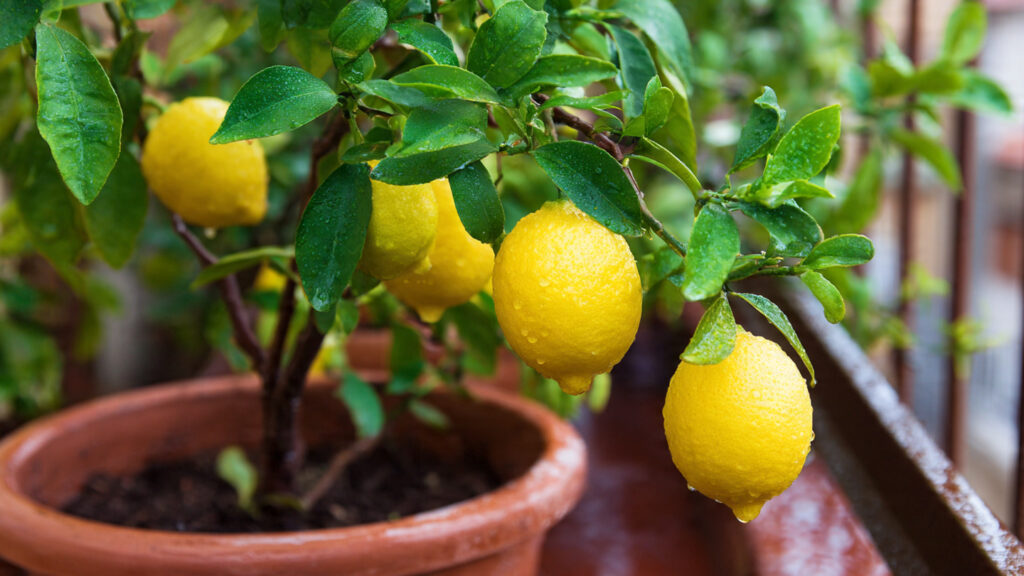
Nothing brightens a balcony garden like the fresh, zesty aroma of lemons. Growing lemons in containers is not only practical for small spaces, but it also allows you to enjoy fresh, organic lemons year-round. Even if you don’t have a backyard, a balcony can become a productive citrus haven with the right approach. In this guide, we’ll explore step-by-step how to grow lemons in containers on your balcony, including variety selection, container tips, care, and harvesting techniques.
1. Why Grow Lemons in Containers?
Growing lemons in containers has become increasingly popular because it offers several advantages:
- Space-efficient: Perfect for apartments or homes without a garden.
- Mobility: Containers can be moved to capture sunlight or protect from extreme weather.
- Soil control: You can use a well-draining mix ideal for citrus plants.
- Pest management: Easier to monitor and control pests.
- Year-round fruiting: With proper care, potted lemons can produce fresh fruits in every season.
Container gardening makes it possible for anyone to enjoy the joy of homegrown lemons, no matter the size of their outdoor space.
2. Choosing the Right Lemon Variety for a Balcony
Not all lemon varieties are ideal for container growth. Look for dwarf or compact varieties:
- Meyer Lemon: Sweet, less acidic, and highly productive in pots.
- Ponderosa Lemon: Large fruits, compact growth, suitable for sunny balconies.
- Improved Lisbon: Hardy variety with abundant fruit production.
When selecting a lemon plant, choose one that is healthy, pest-free, and suitable for containers. Dwarf varieties are preferred because they stay manageable and produce fruit even in limited space.
3. Selecting the Right Container
The container is crucial for lemon growth because it affects root health and drainage.
Container Tips:
- Size: Start with a 12–16 inch pot for young plants. Mature trees may need 18–24 inch pots.
- Material: Terra cotta, ceramic, or plastic pots with drainage holes are ideal.
- Drainage: Ensure holes at the bottom for excess water. Lemon roots dislike waterlogging.
- Mobility: Lightweight containers make it easier to move plants during harsh weather.
A well-chosen container ensures your lemon plant thrives and produces abundant fruit.
4. Soil Requirements for Potted Lemons
Lemon trees prefer well-draining, slightly acidic soil:
- Use a citrus-specific potting mix or prepare a blend of garden soil, compost, and sand for drainage.
- The soil should be rich in organic matter to support flowering and fruiting.
- Avoid heavy clay soils, which retain water and can cause root rot.
Proper soil ensures your potted lemon receives nutrients efficiently and maintains healthy growth.
5. Planting Your Lemon Tree
Planting lemons in containers requires careful attention:
- Place a layer of gravel or broken pots at the bottom for drainage.
- Fill the container halfway with the prepared soil mix.
- Gently remove the plant from its nursery pot, avoiding root damage.
- Position the plant in the container, fill with soil around the roots, and lightly press down.
- Water thoroughly to help the plant settle.
Planting correctly prevents root stress and promotes strong establishment.
6. Sunlight and Temperature Requirements
Lemon trees are sun-loving plants. To ensure healthy growth:
- Full sun exposure: Aim for 6–8 hours of sunlight daily.
- Protection from frost: In colder regions, move the container indoors or cover with frost cloth.
- Temperature range: Ideal growth occurs between 70–85°F (21–29°C).
Proper sunlight encourages leaf growth, flowering, and fruit development.
7. Watering and Moisture Management
Container-grown lemons need consistent moisture without waterlogging:
- Water deeply when the top inch of soil feels dry.
- Avoid letting the plant sit in standing water.
- Use a mulch layer to retain soil moisture and reduce evaporation.
Correct watering ensures vigorous growth and prevents leaf drop.
➡️ How to Grow Malabar Spinach from Cuttings for Fast, Easy Greens
➡️ How to Grow Super Delicious Cabbage at Home Without a Garden
➡️ How to Grow Bean Sprouts at Home in Plastic Bottles Easily (Step‑by‑Step Guide)
➡️ Why is Your Lemon Tree Blooming in the Heart of Winter?
➡️ Why Should Your Garden Have a Dedicated Pollinator Highway?
➡️ Why Do Your Fruit Trees Need a Winter Wash to Thrive in Spring?
➡️ How Can Rice Water Transform Your Fruits into Sweeter Delights?
➡️ Jumpstart Your Winter Garden: Seed Starting Under Lights
8. Fertilizing Potted Lemons
Nutrient management is key for fruit production:
- Use a citrus-specific fertilizer rich in nitrogen, phosphorus, and potassium.
- Feed every 4–6 weeks during the growing season.
- Reduce fertilization in winter when growth slows down.
- Optionally, supplement with compost tea or liquid seaweed for micronutrients.
Fertilization supports leaf development, flowering, and fruit set, ensuring a high yield.
9. Pruning Your Lemon Tree
Pruning helps maintain shape, size, and fruiting potential:
- Remove dead or damaged branches regularly.
- Thin out crowded branches to improve air circulation.
- Pinch back long shoots to encourage branching.
- Avoid heavy pruning in winter; prune lightly after fruiting.
Pruning ensures your lemon tree stays healthy, manageable, and productive.
10. Pollination for Fruit Set
Most lemon varieties are self-pollinating, but manual assistance can improve yield:
- Use a small paintbrush or cotton swab to transfer pollen from flower to flower.
- Encourage bees and butterflies on your balcony by placing flowering companion plants nearby.
Effective pollination increases fruit number and quality.
11. Pest and Disease Management
Potted lemons can be susceptible to pests and diseases:
- Common pests: Aphids, spider mites, whiteflies.
- Management: Wash leaves with water, use neem oil, or insecticidal soap.
- Fungal issues: Avoid overwatering and ensure proper sunlight.
- Regular monitoring: Check leaves and stems weekly to catch problems early.
Early pest control helps maintain fruit production and plant health.
12. Harvesting Lemons
Knowing when to harvest ensures optimal flavor:
- Lemons are ready when they turn fully yellow and feel slightly firm.
- Do not wait too long; overripe lemons may lose juiciness.
- Use sharp scissors or pruning shears to cut the fruit, leaving a short stem attached.
Harvested lemons can be stored at room temperature for a week or in the refrigerator for longer.
13. Tips for Maximizing Fruit Production
- Choose a dwarf variety for container growth.
- Ensure full sun exposure and consistent watering.
- Fertilize regularly during the growth season.
- Prune lightly to maintain plant shape and airflow.
- Use proper pollination techniques to increase fruit set.
- Rotate container position occasionally to ensure even sunlight exposure.
Following these steps helps your potted lemon tree produce abundant, flavorful fruits year after year.
14. Benefits of Growing Lemons on a Balcony
- Fresh produce: Enjoy organic lemons for cooking, tea, and desserts.
- Aromatic environment: The scent of lemon leaves and flowers brightens your balcony.
- Decorative element: Lemon trees add greenery and beauty to small outdoor spaces.
- Health benefits: Lemons are rich in Vitamin C and antioxidants.
A balcony lemon tree is both practical and decorative, providing beauty and nourishment simultaneously.
Conclusion
Growing lemons in containers on a balcony is an achievable and rewarding project, even for beginners. By selecting the right variety, using a suitable container, providing proper sunlight, water, and nutrients, and practicing good pruning and pest management, you can enjoy fresh lemons year-round.
With a little care and patience, your balcony can transform into a productive citrus paradise, offering fragrant flowers, lush greenery, and plenty of juicy lemons for your kitchen. Whether you’re a beginner or an experienced gardener, container lemon cultivation brings both aesthetic and culinary delight to your home.