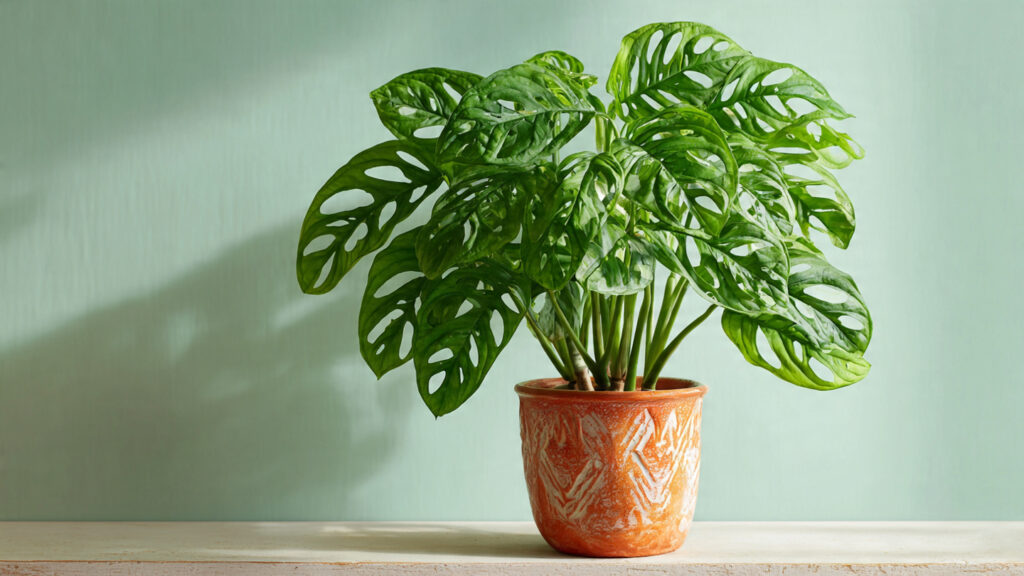
Indoor plant enthusiasts around the world dream of owning a Monstera obliqua, a rare and stunning tropical plant known for its delicate, fenestrated leaves and ethereal beauty. Unlike its more common cousin, Monstera adansonii, the obliqua is extremely rare and demands careful attention to thrive indoors. Growing this plant successfully requires understanding its natural habitat, ideal growing conditions, and specific care requirements. Here’s a comprehensive guide to cultivating a Monstera obliqua indoors and ensuring it remains healthy and vibrant.
Understanding Monstera Obliqua
Monstera obliqua is a climbing aroid native to the tropical rainforests of Central and South America. Its unique leaves, characterized by large holes and a lacy appearance, make it one of the most sought-after rare houseplants. Key features include:
- Leaves: Extremely thin, delicate, and perforated.
- Growth habit: Climbing, vining plant that can attach to moss poles or trellises.
- Rarity: Highly prized due to limited availability and slow growth.
- Care level: Advanced; not recommended for beginner indoor gardeners.
Understanding these characteristics is crucial for replicating its natural conditions indoors.
Choosing the Right Indoor Location
Monstera obliqua thrives in bright, indirect light that mimics the filtered sunlight of a tropical understory. Direct sunlight can scorch its delicate leaves, while too little light will slow growth. Tips for placement:
- Place near east- or north-facing windows for gentle, indirect light.
- Use sheer curtains to diffuse harsh sunlight from south- or west-facing windows.
- Supplement with grow lights if natural light is insufficient, particularly during winter.
Correct light exposure is essential for healthy leaf development and overall plant vigor.
Ideal Temperature and Humidity
Monstera obliqua originates from tropical rainforests, so it requires warm, humid conditions:
- Temperature: Maintain indoor temperatures between 65–85°F (18–29°C). Avoid cold drafts or sudden temperature fluctuations.
- Humidity: High humidity of 60–80% is optimal. Low indoor humidity can cause leaf browning or curling.
Ways to increase humidity indoors include:
- Using a humidifier near the plant.
- Placing the pot on a tray of water and pebbles.
- Grouping plants together to naturally boost humidity.
Maintaining consistent temperature and humidity replicates the tropical environment Monstera obliqua naturally thrives in.
Selecting the Right Pot and Soil
Because Monstera obliqua is delicate, the right pot and soil are critical:
- Pot: Choose a container with drainage holes to prevent waterlogging. Lightweight plastic or ceramic pots work well.
- Soil: Use a well-draining aroid mix, including components like orchid bark, perlite, and peat moss. Avoid heavy garden soil.
- Moss poles or trellises: Provide vertical support to mimic natural climbing growth.
Proper soil and support help prevent root rot while promoting climbing and vigorous growth.
Watering Guidelines
Monstera obliqua requires careful watering:
- Keep soil consistently moist but never soggy. Overwatering is the most common cause of plant death.
- Water thoroughly when the top inch of soil feels dry.
- Reduce watering slightly in winter when growth slows.
- Use room-temperature, filtered water if your tap water is high in salts or chlorine.
Consistent, balanced watering supports healthy roots and lush foliage.
Fertilizing for Optimal Growth
Because Monstera obliqua grows slowly, it requires gentle fertilization:
- Use a balanced, diluted liquid fertilizer every 4–6 weeks during the growing season (spring and summer).
- Avoid over-fertilizing, as this can damage delicate roots and leaves.
- Consider organic fertilizers like worm castings or compost tea for steady nutrient supply.
Proper fertilization encourages leaf development, larger perforations, and overall plant vitality.
Pruning and Training
Training Monstera obliqua is essential for healthy growth and aesthetics:
➡️ How to Grow Malabar Spinach from Cuttings for Fast, Easy Greens
➡️ How to Grow Super Delicious Cabbage at Home Without a Garden
➡️ How to Grow Bean Sprouts at Home in Plastic Bottles Easily (Step‑by‑Step Guide)
➡️ Why is Your Lemon Tree Blooming in the Heart of Winter?
➡️ Why Should Your Garden Have a Dedicated Pollinator Highway?
➡️ Why Do Your Fruit Trees Need a Winter Wash to Thrive in Spring?
➡️ How Can Rice Water Transform Your Fruits into Sweeter Delights?
➡️ Jumpstart Your Winter Garden: Seed Starting Under Lights
- Prune sparingly to remove yellowing or damaged leaves.
- Guide vines onto moss poles or trellises to encourage upward growth.
- Regularly inspect for overcrowded growth and gently separate stems as needed.
Pruning and training help maintain an elegant appearance while reducing the risk of disease or stress.
Common Problems and How to Avoid Them
Monstera obliqua can be finicky. Key issues and solutions include:
- Leaf browning: Usually caused by low humidity, over-fertilization, or too much direct sunlight. Adjust care accordingly.
- Yellowing leaves: Often a sign of overwatering or poor drainage. Check soil and pot.
- Pests: Watch for spider mites, aphids, or mealybugs. Wipe leaves with a damp cloth and use insecticidal soap if necessary.
- Slow growth: May result from insufficient light or nutrients. Consider supplemental grow lights or adjusting fertilization.
Preventive care ensures your rare plant remains healthy, vibrant, and thriving indoors.
Propagation Techniques
Monstera obliqua can be propagated from stem cuttings:
- Choose a healthy stem with at least one node.
- Place the cutting in water or a well-draining soil mix.
- Keep in a warm, humid environment until roots develop.
- Once roots are established, transplant into a suitable container.
Propagation allows plant enthusiasts to expand their collection or share this rare plant with others.
Seasonal Care Adjustments
- Spring/Summer: Focus on regular watering, fertilizing, and providing bright indirect light. Encourage climbing growth.
- Autumn/Winter: Reduce watering slightly, maintain high humidity, and supplement with grow lights if natural light is limited.
Adjusting care seasonally helps the plant conserve energy while preparing for new growth cycles.
Displaying Your Monstera Obliqua Indoors
Monstera obliqua is more than just a plant—it’s a statement piece. Some ideas for display:
- Place on a sturdy shelf or plant stand near filtered light.
- Use moss poles to allow vines to climb naturally.
- Group with other tropical plants for a lush indoor jungle aesthetic.
- Incorporate decorative pots or containers to complement home décor.
A well-displayed Monstera obliqua highlights its rare beauty while providing an elegant focal point in your indoor space.
Conclusion
Growing Monstera obliqua indoors is a rewarding experience, but it requires dedicated care, attention to humidity, light, and watering, and a commitment to maintaining its delicate environment. By understanding its natural habitat and replicating conditions such as bright indirect light, high humidity, well-draining soil, and careful watering, plant enthusiasts can successfully cultivate this rare tropical plant.
While slow-growing and challenging, a well-cared-for Monstera obliqua offers stunning, lacy leaves that elevate any indoor space, making the effort worthwhile for collectors and plant lovers alike. With patience, proper techniques, and attention to detail, this rare plant can thrive indoors, becoming a centerpiece of your home jungle for years to come.