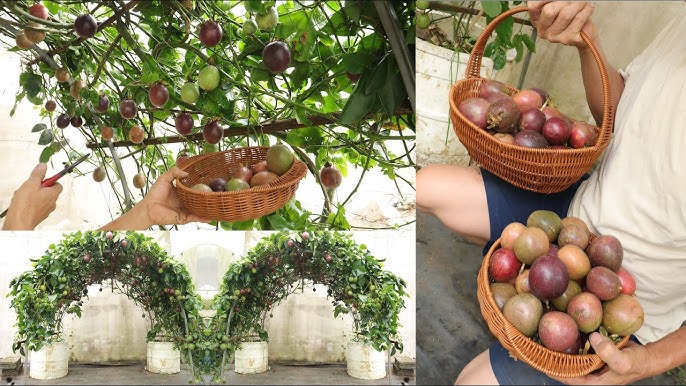
Passion fruit is a tropical delight: sweet, tangy, and packed with nutrients. Imagine plucking fresh, juicy fruits from your own home, even if you don’t have a backyard garden. Sounds impossible? Not at all!
With the right method, you can grow passion fruit in containers, balconies, or even small indoor spaces. This beginner-friendly guide will walk you through each step so you can enjoy your own mini passion fruit harvest.
Why Grow Passion Fruit at Home?
Before diving into the “how,” let’s understand why passion fruit is worth growing:
- Nutritional Benefits – Rich in vitamin C, fiber, and antioxidants.
- Flavor Explosion – Perfect for juices, desserts, or eating raw.
- Space-Saving Gardening – Can thrive in pots, hanging baskets, or trellises.
- Beginner-Friendly – Grows well in containers with basic care.
- Decorative Appeal – Lush green vines with beautiful purple or yellow flowers brighten any corner of your home.
Even without a garden, you can enjoy this tropical gem with the right setup.
Step 1: Choose the Right Container
Growing passion fruit in small spaces requires the right pot or container:
- Size Matters – Start with at least a 10–15 gallon (40–60 liter) container. The larger the container, the stronger the vine.
- Drainage Is Key – Ensure your container has holes at the bottom to prevent waterlogging.
- Material Choices – Plastic, ceramic, or wooden containers work well. Plastic is lightweight and easier to move, perfect for balconies.
Pro Tip: If you want multiple vines, use separate containers to avoid overcrowding.
Step 2: Select Passion Fruit Variety
There are two main types of passion fruit suitable for home growth:
- Purple Passion Fruit (Passiflora edulis) – Hardy, sweet-tart, ideal for cooler climates.
- Yellow Passion Fruit (Passiflora edulis f. flavicarpa) – Larger fruits, more tropical, heat-tolerant, and slightly tangier.
For beginners, the purple variety is easier to manage and flowers faster.
Step 3: Get Quality Seeds or Seedlings
You have two options:
- Seeds – Extract seeds from a fresh passion fruit or purchase from a nursery.
- Seedlings – Young plants from nurseries are faster to grow and fruit.
Growing from seeds (beginner-friendly method):
- Soak seeds in warm water for 24 hours.
- Plant 2–3 seeds in a small pot with seed-starting mix.
- Keep in a warm, sunny spot.
- Germination occurs in 2–3 weeks.
Patience is key here, but the reward is fresh fruits in 8–12 months.
Step 4: Choose the Right Soil Mix
Healthy soil is essential for passion fruit vines to thrive in containers.
Ideal soil characteristics:
- Well-draining
- Rich in organic matter
- Slightly acidic to neutral (pH 6.0–7.0)
Beginner-friendly soil mix:
- 50% garden soil or potting mix
- 30% compost or well-rotted manure
- 20% sand or cocopeat for drainage
Tip: Avoid heavy clay soils—they can retain too much water, causing root rot.
Step 5: Provide a Support Structure
Passion fruit is a climber. Even on a balcony or terrace, it needs support to grow vertically.
➡️ How to Grow Malabar Spinach from Cuttings for Fast, Easy Greens
➡️ How to Grow Super Delicious Cabbage at Home Without a Garden
➡️ How to Grow Bean Sprouts at Home in Plastic Bottles Easily (Step‑by‑Step Guide)
➡️ Why is Your Lemon Tree Blooming in the Heart of Winter?
➡️ Why Should Your Garden Have a Dedicated Pollinator Highway?
➡️ Why Do Your Fruit Trees Need a Winter Wash to Thrive in Spring?
➡️ How Can Rice Water Transform Your Fruits into Sweeter Delights?
➡️ Jumpstart Your Winter Garden: Seed Starting Under Lights
Options for beginners:
- Trellises – Wooden or metal trellis placed inside the container.
- Bamboo poles – Cheap, lightweight, and easy to install.
- Hanging net frames – Ideal for small spaces or corners.
Make sure the vine has something to climb from the very beginning to prevent tangling.
Step 6: Planting Your Passion Fruit
Once seedlings are ready or seeds have sprouted:
- Fill your container with the soil mix.
- Plant seedlings carefully—roots should not be exposed or bent.
- Water lightly after planting.
- Position container in a sunny spot—passion fruit needs 6–8 hours of sunlight daily.
Pro Tip: Rotate the container occasionally to ensure even sunlight exposure for all parts of the vine.
Step 7: Watering Essentials
Overwatering is the most common mistake for container-grown passion fruit.
- Frequency: Water 2–3 times a week, more during hot weather.
- Check Soil Moisture: Stick a finger 1–2 inches into soil—if dry, water.
- Avoid Waterlogging: Always let excess water drain.
Consistent moisture encourages flowering and fruit production.
Step 8: Fertilizing for Maximum Growth
Passion fruit is a heavy feeder. In containers, nutrients can deplete quickly.
Fertilizer Tips:
- Use a balanced NPK fertilizer (10:10:10) during early growth.
- Switch to a high potassium fertilizer when flowering to encourage fruiting.
- Apply organic fertilizers like compost, vermicompost, or fish emulsion for better soil health.
- Fertilize every 4–6 weeks for optimal results.
Tip: Always water the plant after fertilizing to avoid root burn.
Step 9: Pruning and Vine Management
Even in small spaces, pruning keeps the vine healthy and productive.
Pruning tips for beginners:
- Remove weak or dead shoots.
- Cut excess lateral growth to focus energy on fruiting.
- Train vines along trellises to prevent overcrowding.
- Light pruning encourages more flowers.
A manageable vine produces better quality fruit.
Step 10: Pollination – Don’t Forget This Step
Passion fruit flowers are beautiful but need pollination to produce fruit.
Ways to ensure pollination at home:
- Hand Pollination: Use a soft brush to transfer pollen from one flower to another.
- Attract Pollinators: Bees or butterflies in your balcony garden help naturally.
Pollinated flowers develop into the delicious fruits you’re waiting for.
Step 11: Harvesting Your Passion Fruit
Patience pays off! Fruits are ready to harvest when:
- Purple passion fruit turns deep purple
- Yellow passion fruit changes from green to bright yellow
- The fruit feels slightly heavy and wrinkled (fully ripe)
Pick fruits gently with scissors or by hand to avoid damaging the vine. In containers, you may get your first harvest within 10–12 months if grown properly.
Step 12: Common Challenges and Solutions
Even in containers, beginners may face some issues:
- Yellow Leaves: Usually due to overwatering or nutrient deficiency.
- Fungal Disease: Ensure proper drainage and airflow.
- Pests: Aphids and mites can attack; treat with neem oil or insecticidal soap.
- No Fruit: Insufficient sunlight or poor pollination.
With small adjustments, your passion fruit vine will thrive.
Extra Tips for Home Passion Fruit Gardening
- Choose dwarf or container-friendly varieties if space is limited.
- Use mulch to retain moisture and reduce weed growth.
- Rotate containers occasionally for even sunlight and growth.
- Encourage companion plants like marigold or basil to keep pests away.
- Keep a watering and fertilizing schedule—consistency is key.
Conclusion: Your Balcony Can Be a Tropical Paradise
Growing passion fruit at home without a garden is no longer a dream. With the right container, soil, support, and care, you can enjoy fresh, tangy, and juicy fruits year-round.
This beginner-friendly method makes passion fruit accessible to anyone—apartment dwellers, small-space gardeners, or city dwellers. By following these simple steps, you transform even a tiny balcony or terrace into a lush, productive mini orchard.
Remember: Sunlight, water, and patience are your best friends. Treat your vine well, and it will reward you with the delicious taste of tropical passion right at home.
Your journey to a balcony full of passion fruit starts today—no garden required! 🌿🍇