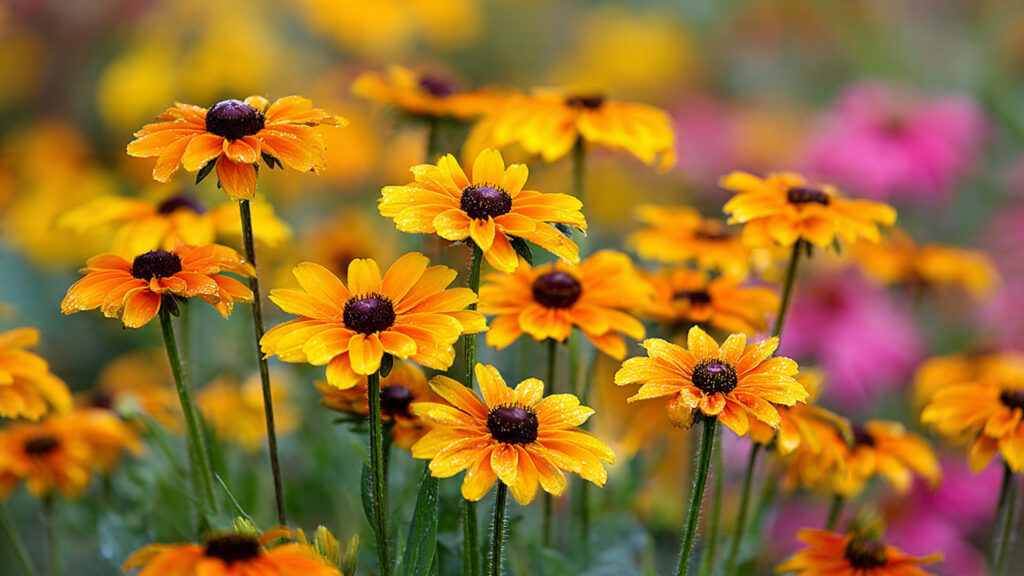
Rudbeckia, commonly known as Black-eyed Susan, is one of the most popular perennials for gardeners seeking vibrant, long-lasting summer and fall color. With its bold yellow petals and dark brown central cones, Rudbeckia is both eye-catching and easy to grow, making it a staple in flower beds, borders, and pollinator-friendly gardens. Whether you are a beginner or an experienced gardener, understanding the best practices for planting, care, and maintenance can help you achieve stunning blooms year after year. This comprehensive guide will walk you through everything you need to know to grow Rudbeckia successfully.
Understanding Rudbeckia: A Classic Garden Favorite
Rudbeckia belongs to the Asteraceae family, which also includes daisies and sunflowers. There are over 20 species, but the most widely grown are Rudbeckia hirta (annual or short-lived perennial) and Rudbeckia fulgida (long-lived perennial). They are native to North America and thrive in a wide range of climates, making them a versatile choice for gardeners across many regions.
Key characteristics of Rudbeckia include:
- Bright yellow to orange petals surrounding a dark brown or black cone.
- Upright growth, ranging from 18 inches to 3 feet, depending on the variety.
- Tolerance to drought and heat, making them low-maintenance once established.
- Attraction of pollinators such as bees and butterflies, which benefit both the garden and local ecosystems.
By selecting the right variety and giving them proper care, Rudbeckia can be a long-lasting centerpiece in your perennial garden.
Choosing the Right Variety
Rudbeckia comes in a range of shapes, sizes, and bloom times. Choosing the right variety is the first step to achieving stunning blooms. Some popular perennial varieties include:
- Rudbeckia fulgida ‘Goldsturm’ – Known for its reliability and abundant bright yellow flowers, this variety grows 24–30 inches tall and blooms from mid-summer to early fall.
- Rudbeckia triloba – A shorter variety with clusters of smaller blooms, perfect for mass planting and borders.
- Rudbeckia maxima – Taller and elegant, with large yellow flowers, ideal for back-of-the-border planting.
When selecting a variety, consider bloom time, height, and overall appearance. Mixing varieties with staggered bloom periods ensures continuous color in your garden from midsummer through the fall.
Site Selection: Sun, Soil, and Spacing
Rudbeckia thrives in conditions that mimic its native habitat.
1. Sunlight
Rudbeckia prefers full sun for at least 6–8 hours per day. While it can tolerate partial shade, insufficient sunlight often leads to leggy growth and fewer blooms.
2. Soil
Well-drained soil is crucial for healthy Rudbeckia plants. They tolerate a wide range of soil types, from sandy to clay, but prefer soil enriched with organic matter. Avoid overly wet soil, as this can lead to root rot and fungal diseases. A slightly acidic to neutral pH (6.0–7.0) is ideal.
3. Spacing
Proper spacing ensures airflow, reduces disease risk, and allows each plant to reach its full size. Space Rudbeckia plants 12–18 inches apart for smaller varieties and up to 24 inches apart for taller varieties. Crowded plants may compete for nutrients and water, leading to weaker blooms.
Planting Rudbeckia: Seeds, Transplants, or Divisions
Rudbeckia can be propagated in multiple ways, giving gardeners flexibility in starting their plants.
1. From Seeds
Starting Rudbeckia from seeds is cost-effective and rewarding. Sow seeds indoors 6–8 weeks before the last frost or directly outdoors after danger of frost has passed. Lightly cover seeds with soil, as they require some light to germinate. Keep the soil moist until seedlings appear, usually within 7–14 days.
2. From Transplants
Nursery-bought transplants give an early head start on blooms. Plant them after the last frost in a prepared bed with well-amended soil. Water thoroughly after planting to help establish roots.
3. From Divisions
Mature Rudbeckia perennials can be divided every 3–4 years in early spring or late fall. Dividing plants prevents overcrowding, rejuvenates older clumps, and ensures vigorous blooms. Simply dig up the plant, separate it into smaller sections with roots attached, and replant immediately.
Watering and Fertilizing
Rudbeckia is drought-tolerant but performs best with consistent moisture, especially during dry spells. Water deeply once a week rather than frequent shallow watering to encourage deep root growth. Mulching around the base helps retain moisture and suppress weeds.
➡️ How to Grow Malabar Spinach from Cuttings for Fast, Easy Greens
➡️ How to Grow Super Delicious Cabbage at Home Without a Garden
➡️ How to Grow Bean Sprouts at Home in Plastic Bottles Easily (Step‑by‑Step Guide)
➡️ Why is Your Lemon Tree Blooming in the Heart of Winter?
➡️ Why Should Your Garden Have a Dedicated Pollinator Highway?
➡️ Why Do Your Fruit Trees Need a Winter Wash to Thrive in Spring?
➡️ How Can Rice Water Transform Your Fruits into Sweeter Delights?
➡️ Jumpstart Your Winter Garden: Seed Starting Under Lights
Fertilizing Tips
Rudbeckia does not require heavy feeding. Over-fertilizing can lead to excessive leaf growth at the expense of flowers. A balanced, slow-release fertilizer in early spring or a light application of compost is usually sufficient. Fertilize lightly again in midsummer if the soil is nutrient-poor.
Pruning and Deadheading for Continuous Blooms
Deadheading, or removing spent flowers, encourages Rudbeckia to produce more blooms instead of going to seed. Regularly snip off faded blooms throughout the season.
Fall Cleanup
At the end of the growing season, cut back the stems to ground level to prepare the plant for winter. For added winter interest, some gardeners leave seed heads standing, which attract birds and provide a natural decorative element.
Pest and Disease Management
Rudbeckia is generally hardy, but occasional problems may arise. Common issues include:
- Powdery mildew – Appears as a white powder on leaves. Prevent by ensuring good airflow and avoiding overhead watering.
- Aphids and Japanese beetles – Can damage foliage and flowers. Spray with insecticidal soap or remove pests by hand.
- Leaf spots – Fungal or bacterial spots can occur in wet conditions. Remove affected leaves and maintain proper spacing.
By monitoring plants regularly and practicing good garden hygiene, you can maintain healthy, vibrant Rudbeckia.
Companion Planting and Garden Design
Rudbeckia pairs well with other perennials and annuals that provide contrast in color, height, and texture. Some ideal companions include:
- Echinacea – Purple coneflowers complement the yellow blooms beautifully.
- Salvia – Offers vertical spikes of blue or purple, contrasting with Rudbeckia’s rounded flowers.
- Ornamental grasses – Add movement and texture in mixed borders.
Rudbeckia’s long bloom season and bright color make it excellent for cut flower gardens as well. Their sturdy stems hold up well in bouquets and floral arrangements.
Propagating Rudbeckia for Future Gardens
Beyond seed starting and divisions, Rudbeckia can also self-seed in favorable conditions. Collect seeds at the end of the season for planting next year. To harvest seeds:
- Allow flower heads to dry on the plant.
- Cut the heads and shake or rub them to release seeds.
- Store seeds in a cool, dry place until next spring.
Self-seeding can create a naturalized look in your garden, but monitor spread to prevent overcrowding.
Seasonal Care and Winter Protection
In colder regions, Rudbeckia benefits from a layer of mulch over the crown during winter. This protects roots from frost and ensures vigorous regrowth in spring. Spring cleanup involves removing old mulch, trimming dead stems, and lightly fertilizing before new growth begins.
Achieving Stunning Perennial Blooms
By following these guidelines, gardeners can enjoy continuous, eye-catching blooms throughout the growing season. Key takeaways for success include:
- Planting in full sun with well-drained soil.
- Choosing the right variety for bloom time and garden design.
- Using proper spacing and maintenance techniques like deadheading and dividing.
- Monitoring for pests and diseases.
Rudbeckia rewards gardeners with resilience, low maintenance, and vibrant color, making it a staple in perennial landscapes. With proper care, your garden can enjoy the cheerful, sunny presence of Rudbeckia year after year.
Conclusion
Rudbeckia is more than just a pretty flower—it’s a reliable, long-blooming perennial that adds color, texture, and wildlife value to any garden. From selecting the right variety to mastering planting, watering, and pruning techniques, growing Rudbeckia can be straightforward and immensely satisfying. By implementing the tips in this guide, you can ensure your garden bursts with stunning yellow blooms, providing visual impact from midsummer through the fall. Whether used in borders, mass plantings, or as cut flowers, Rudbeckia remains a timeless choice for gardeners seeking beauty, resilience, and continuous perennial charm.