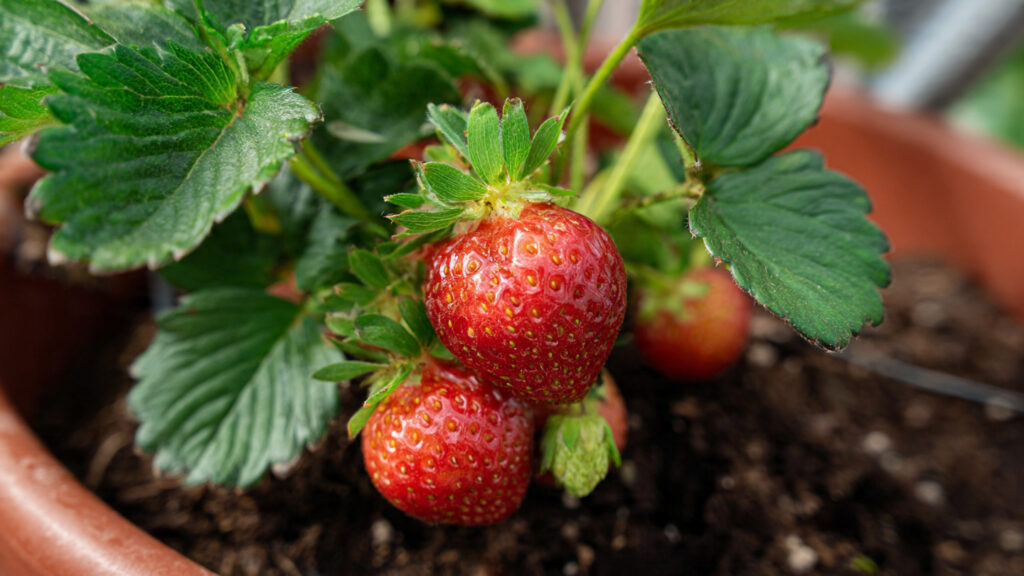
There’s nothing quite like biting into a juicy, sun-ripened strawberry fresh from your garden. Even if you don’t have a backyard, container gardening makes it possible to enjoy these sweet treats anywhere—from patios and balconies to small yards. Growing strawberries in containers is a practical, rewarding, and fun way to bring fresh, flavorful fruit right to your doorstep. With the right techniques, you can enjoy multiple harvests each season. This complete guide will walk you through everything you need to know to grow strawberries in containers successfully.
Why Container Gardening for Strawberries
Container gardening offers several advantages, especially for strawberries:
- Space-Saving: Ideal for apartments, patios, and small yards where ground space is limited.
- Soil Control: You can provide the perfect, well-draining soil mix tailored to strawberry plants.
- Pest Management: Elevated containers reduce the risk of pests like slugs and ground-dwelling insects.
- Mobility: Containers can be moved to catch optimal sunlight or sheltered during extreme weather.
Whether you’re a beginner or an experienced gardener, containers make growing strawberries more manageable and rewarding.
Choosing the Right Strawberry Variety
Selecting the appropriate strawberry variety is crucial for a successful harvest. Strawberries are generally classified into three types:
- June-Bearing: Produce one large harvest in late spring or early summer. Examples: ‘Chandler’, ‘Seascape’.
- Ever-Bearing: Produce two to three smaller harvests throughout the season. Examples: ‘Ozark Beauty’, ‘Quinault’.
- Day-Neutral: Produce fruit continuously from spring to fall, as long as temperatures are moderate. Examples: ‘Albion’, ‘Tribute’.
For container gardening, ever-bearing or day-neutral varieties are often ideal because they provide multiple harvests and adapt well to confined root space.
Choosing the Right Container
The container you choose affects growth, yield, and ease of care. Consider these factors:
- Size: A container should be at least 12 inches deep and wide per plant. Strawberries have shallow roots but need space for runners.
- Drainage: Ensure containers have ample drainage holes to prevent waterlogging, which can cause root rot.
- Material: Clay, ceramic, plastic, and wooden containers all work. Clay pots are breathable, while plastic retains moisture better.
- Types: Hanging baskets, window boxes, and vertical strawberry planters are great for maximizing space.
A well-chosen container will support strong growth and make your strawberries easier to manage.
Preparing the Soil
Strawberries thrive in nutrient-rich, well-draining soil. A suitable soil mix for container strawberries includes:
- Potting Soil: Use high-quality potting mix rather than garden soil to ensure proper drainage and aeration.
- Organic Matter: Add compost or well-rotted manure to provide essential nutrients.
- pH Level: Strawberries prefer slightly acidic soil, with a pH between 5.5 and 6.5.
- Drainage Improvement: Mix in perlite or sand to enhance drainage while retaining moisture.
A healthy soil foundation is the first step toward vigorous growth and abundant fruit.
Planting Strawberries in Containers
Planting correctly ensures your strawberries establish strong roots and produce fruit quickly:
- Timing: Early spring is the best time to plant strawberries in containers, although in mild climates, fall planting is also possible.
- Spacing: Leave 8–10 inches between plants in the container to allow for runners and airflow.
- Planting Depth: Plant so that the crown (the small, central part where leaves emerge) sits just above the soil surface. Crowns buried too deep may rot; too shallow may dry out.
- Watering After Planting: Water thoroughly to settle the soil around the roots.
Proper planting gives your strawberries the foundation they need to thrive.
Watering Guidelines
Strawberries are sensitive to water stress. Maintaining consistent moisture is essential:
- Frequency: Water whenever the top 1 inch of soil feels dry. In hot weather, daily watering may be necessary.
- Method: Water at the base of the plant to avoid wetting leaves, which can lead to fungal diseases.
- Drainage Check: Ensure water drains freely to avoid root rot.
Consistent moisture encourages healthy root growth, larger fruit, and prolonged harvests.
Feeding and Fertilizing
Container strawberries require regular feeding to remain productive:
- Balanced Fertilizer: Use a balanced, slow-release fertilizer or water-soluble fertilizer designed for fruiting plants.
- Timing: Apply fertilizer at planting and then every 4–6 weeks during the growing season.
- Avoid Over-Fertilization: Excess nitrogen encourages leafy growth at the expense of fruiting. Follow package instructions carefully.
A nutrient-rich feeding routine ensures sweet, juicy strawberries year after year.
➡️ How to Grow Malabar Spinach from Cuttings for Fast, Easy Greens
➡️ How to Grow Super Delicious Cabbage at Home Without a Garden
➡️ How to Grow Bean Sprouts at Home in Plastic Bottles Easily (Step‑by‑Step Guide)
➡️ Why is Your Lemon Tree Blooming in the Heart of Winter?
➡️ Why Should Your Garden Have a Dedicated Pollinator Highway?
➡️ Why Do Your Fruit Trees Need a Winter Wash to Thrive in Spring?
➡️ How Can Rice Water Transform Your Fruits into Sweeter Delights?
➡️ Jumpstart Your Winter Garden: Seed Starting Under Lights
Pruning and Maintenance
Maintaining your strawberry plants in containers keeps them healthy and productive:
- Remove Runners: Ever-bearing varieties produce runners. Remove unwanted runners to focus energy on fruit production.
- Dead Leaves: Trim yellowing or damaged leaves to reduce disease risk.
- Mulching: Add straw or wood chips to help retain moisture, regulate soil temperature, and reduce fruit contact with soil.
Regular maintenance helps your strawberries stay vigorous and yield plentifully.
Pollination Tips
Strawberries are self-pollinating, but indoor plants may benefit from assistance:
- Manual Pollination: Use a small paintbrush or cotton swab to transfer pollen between flowers if there’s limited airflow or insect activity.
- Air Circulation: Place a small fan nearby to mimic natural breezes and improve pollination.
Better pollination results in more fully formed, flavorful berries.
Common Problems and Solutions
Even the healthiest container strawberries can face challenges:
- Pests: Aphids, spider mites, and slugs can appear. Inspect plants regularly and treat with insecticidal soap or organic remedies.
- Diseases: Powdery mildew or gray mold can affect strawberries. Ensure proper spacing, avoid overhead watering, and remove affected leaves promptly.
- Nutrient Deficiency: Yellowing leaves may indicate a lack of nitrogen or iron. Adjust fertilization as needed.
Being proactive prevents small problems from turning into major setbacks.
Harvesting Strawberries
Knowing when and how to harvest is crucial for the best flavor:
- Timing: Pick strawberries when they are fully red and ripe. Strawberries do not continue ripening once picked.
- Frequency: Harvest every 2–3 days during peak season to encourage continuous production.
- Technique: Gently twist the berry with a small section of the stem attached to prevent damage to the plant.
Regular harvesting maximizes yield and ensures the sweetest, juiciest berries.
Seasonal Care for Container Strawberries
To keep container strawberries productive year-round, adjust care seasonally:
- Spring/Summer: Ensure full sunlight, consistent watering, and regular feeding.
- Autumn: Reduce fertilization and remove spent foliage. Consider moving containers to a protected area if temperatures drop.
- Winter: In mild climates, strawberries may continue producing. In colder areas, protect containers from frost or move them indoors.
Seasonal care ensures your strawberries remain healthy, resilient, and fruitful.
Final Thoughts
Growing strawberries in containers is a practical, enjoyable way to bring fresh, sweet fruit to your home, even with limited space. By selecting the right variety, using suitable containers, providing proper soil, consistent watering, and regular maintenance, you can enjoy a thriving strawberry patch year after year.
From the first fragrant blooms in spring to juicy harvests throughout the growing season, container strawberries deliver a rewarding experience that combines beauty, flavor, and the satisfaction of growing your own food. With these tips and techniques, you’re ready to create your own sweet, lush container strawberry garden—perfect for any yard, balcony, or patio.
Start small, nurture your plants, and watch your containers transform into vibrant, productive strawberry gardens that bring the taste of summer straight to your table.