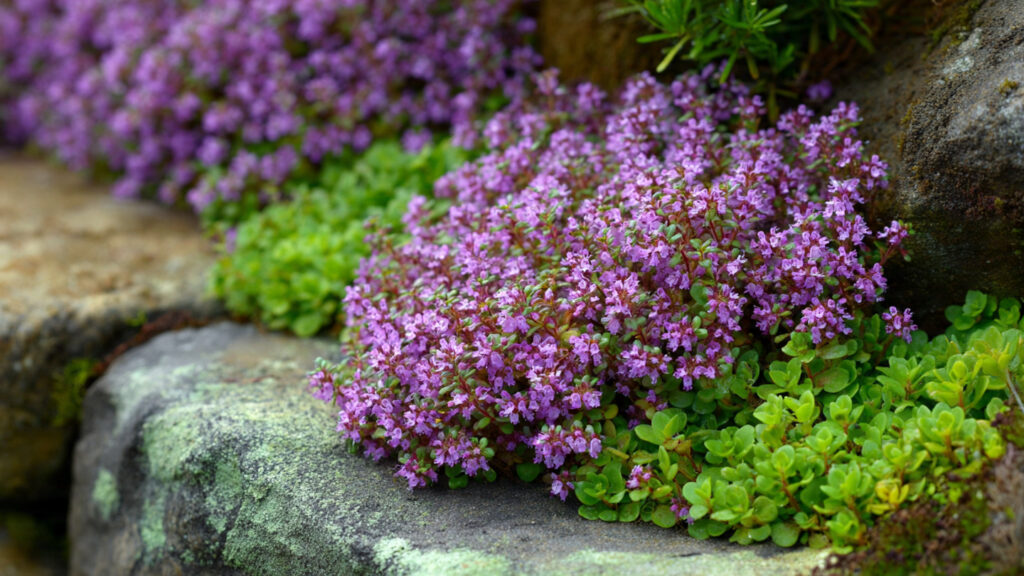
Creating a lush, low-maintenance garden doesn’t always require traditional lawns. For gardeners seeking beautiful, fragrant, and hardy ground cover, red creeping thyme is an excellent choice. This versatile plant spreads quickly, tolerates foot traffic, and brings a splash of vibrant color to paths, rock gardens, and open garden beds. Not only does red creeping thyme add visual appeal, but it also provides aromatic foliage and tiny, pollinator-friendly flowers, making it a functional and attractive addition to any landscape.
In this article, we’ll explore everything you need to know about growing red creeping thyme, from planting and care to harvesting and design ideas for your garden.
Why Red Creeping Thyme is Perfect as Ground Cover
Red creeping thyme (Thymus serpyllum or Thymus praecox) has quickly become a favorite among gardeners for its low-maintenance growth and striking color. Here’s why it’s ideal for ground cover:
- Rapid Spread: The plant grows densely, filling empty spaces quickly and crowding out weeds.
- Hardy and Drought-Tolerant: Once established, red creeping thyme can survive hot, dry conditions with minimal watering.
- Vibrant Blooms: Tiny, purple-pink flowers bloom in late spring to early summer, attracting bees and butterflies.
- Fragrant Foliage: Crushing the leaves releases a pleasant, herbal aroma, making your garden smell delightful.
- Low Growth Habit: With a height of just 2–3 inches, it stays low to the ground, creating a soft, carpet-like effect.
These qualities make red creeping thyme ideal for borders, pathways, patios, and rock gardens.
Selecting the Right Location
Red creeping thyme thrives in full sun and well-drained soil. For best results:
- Sunlight: Ensure at least 6–8 hours of sunlight per day. Thyme tolerates partial shade but grows more compact and blooms better in full sun.
- Soil: Sandy or loamy soil is ideal. Poorly drained soil may lead to root rot, so avoid areas that stay waterlogged.
- Spacing: Plant thyme about 6–12 inches apart to allow for natural spreading and thick coverage.
Choosing the right location ensures your thyme thrives and develops into a dense, healthy ground cover.
Planting Red Creeping Thyme
Red creeping thyme can be propagated from seeds, cuttings, or small nursery plants. Each method has its benefits:
Planting from Seeds
- Prepare the Soil: Loosen the soil and remove weeds.
- Sow Seeds: Sprinkle seeds evenly over the soil surface and press lightly.
- Water Gently: Keep the soil moist until germination, which usually occurs in 1–3 weeks.
- Thin Seedlings: Once seedlings emerge, thin them to 6–12 inches apart to allow room for spreading.
Planting from Cuttings
- Take 4–6 inch cuttings from a healthy thyme plant.
- Remove lower leaves and dip the cut end in rooting hormone.
- Plant the cutting in well-draining soil or a seed tray.
- Keep soil moist and provide bright, indirect light until roots form.
Planting Nursery Plants
- Dig a hole slightly larger than the root ball.
- Place the plant in the hole and fill with soil, pressing gently.
- Water thoroughly to settle the soil around the roots.
For fast coverage, nursery plants or cuttings are ideal, as they establish quicker than seeds.
Watering and Maintenance
Red creeping thyme is low-maintenance but requires some care to thrive:
- Watering: Newly planted thyme needs regular watering until established. Once roots develop, reduce watering; thyme is drought-tolerant.
- Mulching: Apply a thin layer of mulch to retain moisture and suppress weeds. Avoid thick layers that block sunlight to the soil.
- Pruning: Trim thyme after flowering to maintain shape and encourage dense growth. Regular pruning prevents woody stems and promotes vibrant foliage.
- Fertilization: Thyme grows well in poor soil and generally doesn’t require fertilizer. However, a light application of compost in early spring can support growth and flowering.
With minimal care, red creeping thyme can thrive for years, creating a lush, fragrant carpet of green and red.
Controlling Spread and Weeds
Red creeping thyme spreads quickly but rarely becomes invasive. To control growth:
- Trim edges along pathways or flower beds to keep thyme contained.
- Remove weeds regularly to prevent competition for nutrients and water.
- Divide overcrowded patches every 2–3 years to rejuvenate growth.
This ensures your ground cover remains healthy, neat, and attractive.
Flowering and Pollinator Benefits
One of the most delightful aspects of red creeping thyme is its tiny, pinkish-purple flowers, which bloom in late spring to early summer. These flowers not only add color to your garden but also attract bees, butterflies, and other pollinators, supporting a healthy garden ecosystem.
Deadheading spent flowers can encourage longer bloom periods and prevent self-seeding in unwanted areas. The fragrant foliage and blooms together make thyme a multi-sensory addition to your garden.
Companion Planting Ideas
Red creeping thyme works well with other garden plants and can enhance aesthetic and functional appeal:
➡️ How to Grow Malabar Spinach from Cuttings for Fast, Easy Greens
➡️ How to Grow Super Delicious Cabbage at Home Without a Garden
➡️ How to Grow Bean Sprouts at Home in Plastic Bottles Easily (Step‑by‑Step Guide)
➡️ Why is Your Lemon Tree Blooming in the Heart of Winter?
➡️ Why Should Your Garden Have a Dedicated Pollinator Highway?
➡️ Why Do Your Fruit Trees Need a Winter Wash to Thrive in Spring?
➡️ How Can Rice Water Transform Your Fruits into Sweeter Delights?
➡️ Jumpstart Your Winter Garden: Seed Starting Under Lights
- Rock Gardens: Plant thyme between stones for a natural, textured look.
- Vegetable Gardens: Thyme repels pests like cabbage worms, making it an excellent companion plant.
- Flower Beds: Pair with lavender, rosemary, or ornamental grasses for a cohesive, aromatic garden.
- Pathways and Borders: Low growth habit makes thyme ideal for edging walkways and driveways.
Combining thyme with complementary plants enhances garden beauty and supports ecological balance.
Seasonal Care and Winter Survival
Red creeping thyme is hardy and can survive cold winters in many regions. Tips for seasonal care:
- Fall: Cut back any long stems and remove debris to prevent disease.
- Winter: Mulch lightly in areas with harsh winters for extra protection.
- Spring: Check for dead stems and prune to encourage new growth.
With minimal seasonal maintenance, thyme provides year-round greenery and ground coverage.
Harvesting and Culinary Uses
Red creeping thyme isn’t just beautiful—it’s also edible and versatile:
- Harvesting: Snip leaves or small stems as needed for cooking. Frequent harvesting encourages denser growth.
- Culinary Uses: Leaves can flavor soups, stews, roasted vegetables, meats, and sauces.
- Drying: Thyme can be dried for long-term use in herbal blends or teas.
By integrating thyme into your kitchen, you get both gardening satisfaction and flavorful additions to your meals.
Troubleshooting Common Issues
While red creeping thyme is resilient, gardeners may encounter a few issues:
- Leggy Growth: May occur in low light; ensure the plant gets 6–8 hours of sunlight.
- Yellow Leaves: Often a sign of overwatering or poor drainage. Adjust watering and soil conditions.
- Pests: Aphids or spider mites may occasionally appear. Use insecticidal soap or neem oil if necessary.
- Fungal Disease: Prevent by spacing plants for good airflow and avoiding overhead watering.
Monitoring your thyme regularly ensures it remains healthy, dense, and vibrant.
Design Inspiration for Front Yard Gardens
Red creeping thyme is perfect for creating beautiful, low-maintenance front yard gardens. Consider these ideas:
- Pathway Cover: Replace grass with thyme between stepping stones for a fragrant, colorful path.
- Rock Garden Accents: Plant thyme among rocks for a natural, flowing look.
- Edging Borders: Use thyme along garden beds or fences for neat, aromatic borders.
- Container Gardens: Grow thyme in pots near entrances or patios for easy access and visual appeal.
- Mixed Plantings: Combine with perennials like lavender, oregano, or ornamental grasses for texture, color, and fragrance.
These design ideas make thyme a versatile, functional, and beautiful choice for any front yard.
Benefits of Growing Red Creeping Thyme
By choosing red creeping thyme as a ground cover, gardeners enjoy numerous benefits:
- Low-Maintenance: Requires minimal watering, fertilization, and pruning.
- Fragrant and Attractive: Enhances garden ambiance with colorful flowers and aromatic leaves.
- Pollinator-Friendly: Supports bees, butterflies, and other beneficial insects.
- Durable and Hardy: Tolerates drought, foot traffic, and various soil conditions.
- Culinary Uses: Provides fresh herbs for the kitchen, adding flavor and nutrition.
Its versatility makes red creeping thyme one of the easiest and most rewarding ground covers for home gardens.
Conclusion
Red creeping thyme is a beautiful, easy-to-grow ground cover that combines aesthetics, fragrance, and functionality. From planting seeds, cuttings, or nursery plants to caring for them year-round, this hardy herb provides a lush, aromatic carpet that enhances front yard gardens.
With its vibrant blooms, low growth habit, and drought-tolerant nature, thyme is ideal for pathways, rock gardens, borders, and mixed plantings. Adding red creeping thyme to your garden not only creates visual appeal but also attracts pollinators, reduces weeds, and offers fresh herbs for culinary use.
Whether you’re a beginner gardener or an experienced landscaper, red creeping thyme is a fast-growing, low-maintenance solution to transform your outdoor space into a fragrant, colorful, and inviting garden oasis.