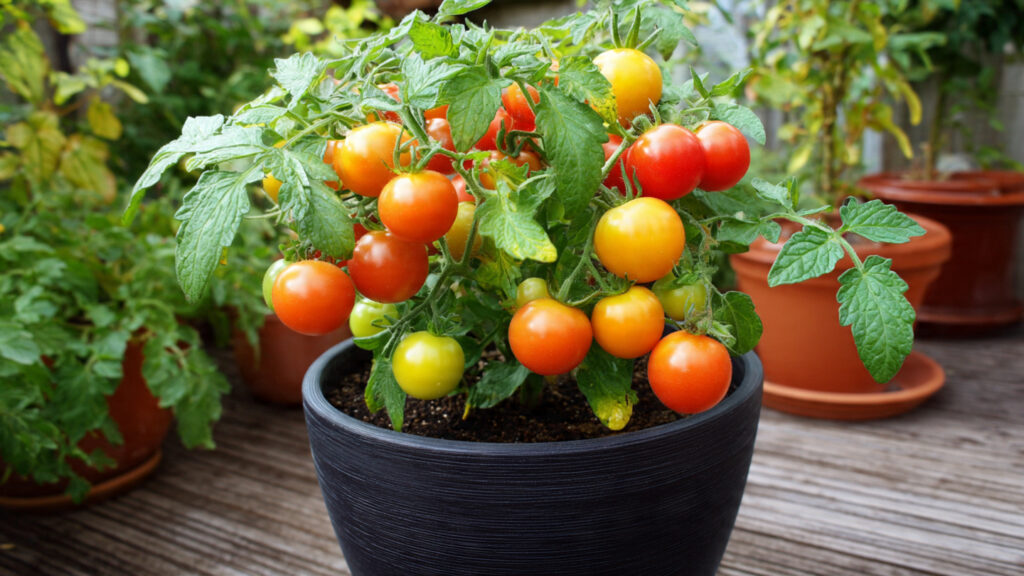
Tomatoes are one of the most rewarding plants to grow at home. Their vibrant color, juicy taste, and nutrient-rich profile make them a favorite among gardeners and food enthusiasts alike. But did you know that you don’t need a big backyard to enjoy homegrown tomatoes? With the right techniques, you can cultivate healthy, high-yield tomato plants in containers or pots—using 100% organic methods that are safe for you, your family, and the environment. This guide will take you through every step to ensure your tomato plants thrive, from seed selection to harvest.
Why Container Gardening for Tomatoes Works
Container gardening is an excellent solution for urban spaces, small balconies, or areas with poor soil. Here’s why it works particularly well for tomatoes:
- Control Over Soil Quality: You can create an optimal mix of nutrients without worrying about soil-borne diseases or contaminants.
- Mobility: Containers can be moved to take advantage of sunlight, protect plants from strong winds, or bring them indoors during extreme weather.
- Pest and Disease Management: Isolated plants are less prone to infestations, and organic treatments are easier to apply effectively.
- Efficient Space Usage: Even small pots can yield several fruits, especially with dwarf or determinate tomato varieties.
Step 1: Choosing the Right Tomato Variety
The first step in successful container tomato gardening is selecting the right variety. For pots and containers, look for:
- Dwarf or Compact Varieties: Examples include ‘Tiny Tim,’ ‘Patio Princess,’ or ‘Bush Early Girl.’ These grow 12–24 inches tall and produce abundant fruits.
- Determinate Varieties: These tomatoes grow to a fixed size and produce all their fruit at once, making them perfect for container harvesting.
- Indeterminate Varieties: These keep growing and producing fruits over a longer period but require bigger pots and staking support.
Selecting varieties suited to containers ensures manageable growth and higher yields.
Step 2: Picking the Perfect Container
Your tomato plants’ home will greatly influence their growth. Consider these points when choosing a container:
- Size Matters: Tomatoes need room for root growth. A 5-gallon (19 liters) pot is ideal for dwarf varieties, while indeterminate tomatoes need 10–15 gallons (38–57 liters).
- Drainage is Key: Ensure your container has holes at the bottom to prevent waterlogging and root rot.
- Material Choices: Terra cotta, plastic, ceramic, or wooden containers all work. Plastic retains moisture better, while terra cotta allows air circulation but dries faster.
Tip: Use a saucer to catch excess water and prevent messes, but avoid letting water stagnate.
Step 3: Creating Nutrient-Rich Organic Soil
The foundation of a healthy tomato plant is fertile, well-draining soil. For 100% organic gardening:
Ingredients for a Homemade Tomato Mix:
- 2 parts high-quality organic compost
- 1 part coconut coir or peat moss (for moisture retention)
- 1 part vermicompost (rich in natural nutrients)
- Optional: 1/2 part perlite or coarse sand (improves drainage)
Instructions:
- Mix all ingredients thoroughly.
- Fill the container, leaving 2–3 inches at the top for watering.
- Add a teaspoon of organic rock phosphate or bone meal to encourage flowering and fruiting.
This soil mix provides the perfect balance of nutrients, aeration, and moisture retention for tomatoes.
Step 4: Sowing Seeds or Transplanting Seedlings
Option 1: Direct Sowing in Pots
- Sow 2–3 seeds per container, 1/4 inch deep.
- Cover lightly with soil and water gently.
- Keep the soil consistently moist until seeds germinate (usually 5–10 days).
- Once seedlings have 2–3 true leaves, thin to the strongest plant.
Option 2: Transplanting Seedlings
- Buy or grow seedlings in small trays.
- Harden seedlings by exposing them to outdoor conditions gradually for 3–5 days.
- Plant seedlings deeper than their original pot, burying part of the stem to encourage strong root growth.
Step 5: Watering and Care
Tomatoes love consistent moisture but dislike waterlogged roots.
- Watering Schedule: Water once or twice daily in hot weather and every 2–3 days in cooler conditions.
- Technique: Water at the soil level rather than over the leaves to prevent fungal diseases.
- Mulching: Apply organic mulch like straw, dry leaves, or coconut husk around the base to retain moisture and regulate temperature.
Step 6: Organic Fertilization
Organic fertilizers are key for maintaining healthy, high-yield tomato plants. Here are some options:
- Compost Tea: Brew compost in water for a liquid nutrient boost. Apply once a week.
- Vermicompost: Add a tablespoon around the base of your plant every 2–3 weeks.
- Liquid Seaweed Extract: Promotes strong root development and stress resistance.
- Homemade Organic Mix: Mix 1 part cow manure, 1 part bone meal, and 1 part wood ash for a balanced nutrient boost.
Always follow the instructions for dilution, as over-fertilizing can harm plants.
➡️ How to Grow Malabar Spinach from Cuttings for Fast, Easy Greens
➡️ How to Grow Super Delicious Cabbage at Home Without a Garden
➡️ How to Grow Bean Sprouts at Home in Plastic Bottles Easily (Step‑by‑Step Guide)
➡️ Why is Your Lemon Tree Blooming in the Heart of Winter?
➡️ Why Should Your Garden Have a Dedicated Pollinator Highway?
➡️ Why Do Your Fruit Trees Need a Winter Wash to Thrive in Spring?
➡️ How Can Rice Water Transform Your Fruits into Sweeter Delights?
➡️ Jumpstart Your Winter Garden: Seed Starting Under Lights
Step 7: Providing Support
Even container tomatoes need support to prevent stems from bending or breaking under the weight of the fruit.
- Stakes: Insert a 4–6 feet tall bamboo or wooden stake beside each plant and tie the stem loosely with soft twine.
- Cages: Wire tomato cages work especially well for determinate varieties.
- Trellises: Indeterminate types benefit from vertical trellising to save space.
Step 8: Pruning for Maximum Yield
Pruning helps your tomato plants focus energy on fruiting rather than excess foliage.
- Remove lower leaves that touch the soil to reduce disease risk.
- Pinch off suckers (small shoots that grow between the main stem and branches).
- Trim any yellowing leaves promptly.
Pruned plants produce larger, healthier fruits and allow better airflow around the foliage.
Step 9: Pest and Disease Management the Organic Way
Growing organically doesn’t mean ignoring pests. Here’s how to protect your plants naturally:
- Neem Oil Spray: Effective against aphids, whiteflies, and spider mites.
- Companion Planting: Plant basil, marigold, or nasturtium nearby to repel pests.
- Garlic or Chili Spray: Homemade sprays deter insects without harming the plant.
- Handpicking: Regularly inspect leaves and remove pests manually.
Maintaining clean containers, removing fallen leaves, and rotating planting locations also minimize disease.
Step 10: Harvesting Your Homegrown Tomatoes
Tomatoes are ready to harvest when they reach their full color and feel slightly soft to the touch.
- Pick regularly: Frequent harvesting encourages more fruit production.
- Handle gently: Avoid bruising, as damaged tomatoes spoil faster.
- Indoor Ripening: If needed, tomatoes can ripen off the vine on a sunny windowsill.
Harvested tomatoes are not only fresher than store-bought ones but also free from synthetic chemicals.
Bonus Tips for Container Tomato Success
- Sunlight: Tomatoes need 6–8 hours of direct sunlight daily. Rotate pots for even exposure.
- Temperature: Ideal growing temperatures are 70–85°F (21–29°C). Protect plants from frost or excessive heat.
- Regular Monitoring: Check for signs of nutrient deficiency, pests, or diseases daily. Early detection is key.
- Container Size Adjustment: If your plant outgrows its pot, transplant it to a larger one for sustained growth.
Conclusion
Growing tomatoes in containers using 100% organic methods is both feasible and deeply rewarding. By choosing the right variety, preparing nutrient-rich soil, providing consistent care, and practicing organic pest management, you can enjoy a steady supply of juicy, flavorful tomatoes—right from your balcony, terrace, or small backyard. Not only does this approach produce healthier fruits, but it also contributes to sustainable gardening practices that are gentle on the planet.
So grab your seeds, pots, and organic compost, and start your journey to homegrown tomato success. With patience, care, and love, your container garden can become a vibrant source of fresh, chemical-free tomatoes all season long!