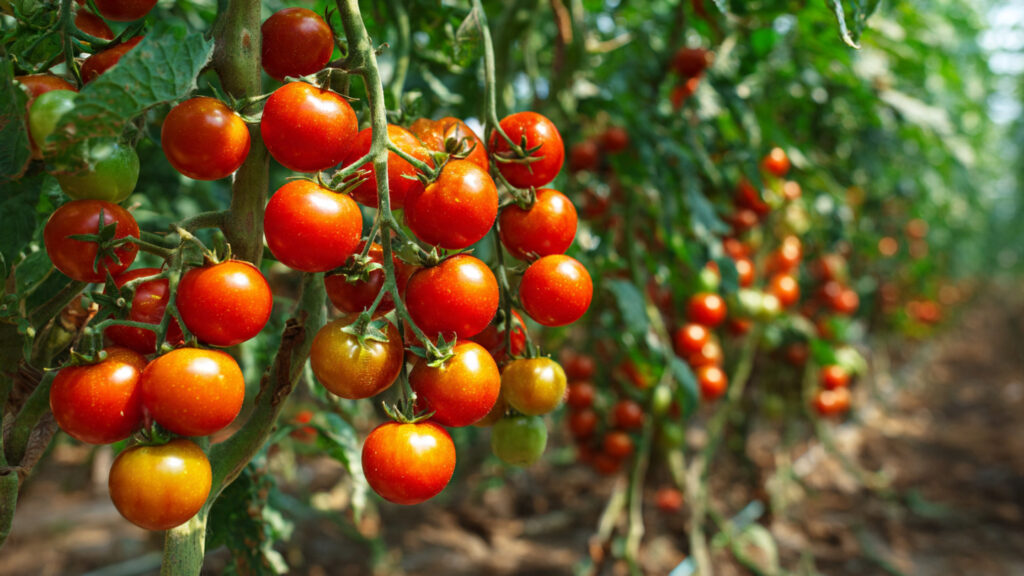
Growing tomatoes at home can be incredibly rewarding, especially when you use effective methods that maximize fruit production. One innovative technique gaining popularity among home gardeners is growing tomatoes in straw. Not only does straw provide natural insulation and moisture retention, but it also reduces soil-borne diseases and makes harvesting easier. In this guide, we’ll walk you through everything you need to know to grow tomatoes in straw for an abundant harvest right at home.
Why Grow Tomatoes in Straw?
Tomatoes are a warm-season crop that thrive when their roots stay moist, cool, and disease-free. Straw offers several advantages:
- Moisture Retention – Straw keeps the soil beneath it consistently damp, reducing the need for frequent watering.
- Temperature Regulation – The straw layer insulates roots from extreme heat and cold.
- Reduced Disease Risk – By keeping fruit off the soil, straw minimizes the risk of rot and soil-borne pathogens.
- Easy Harvesting – Fruits sit above the straw, making them easier to spot and pick.
This method is especially useful for home gardeners who want a low-maintenance approach with maximum fruit production.
Choosing the Right Tomato Varieties
Selecting the right tomato variety is key to high yields. Consider these types:
- Determinate Tomatoes – Compact plants that stop growing after a certain height. Great for container or straw-based growing.
- Indeterminate Tomatoes – Vining types that continue producing fruit throughout the season. Ideal for trellises or vertical supports in straw beds.
- Heirloom Varieties – Known for flavor and size, but may require more care.
Some popular varieties for home straw cultivation include Roma, Cherry, and Beefsteak tomatoes. They are productive and adapt well to the straw growing method.
Preparing Straw Beds
To grow tomatoes in straw, start by creating a straw bed or mound:
- Choose a Sunny Spot – Tomatoes need at least 6–8 hours of direct sunlight per day.
- Lay a Base Layer – Use 6–8 inches of fresh straw to form the bed. Avoid straw with too many weed seeds.
- Add Compost or Fertilizer – Sprinkle a balanced fertilizer or compost on top of the base layer to supply nutrients.
- Create Planting Holes – Make small pockets in the straw, approximately 8–10 inches apart, for each tomato plant.
The straw bed not only serves as a growing medium but also acts as mulch, keeping roots cool and preventing moisture loss.
Planting Tomatoes in Straw
When planting tomatoes in straw, follow these steps for success:
- Start Seeds Indoors – Begin tomato seeds indoors 6–8 weeks before the last expected frost date. Use seed trays or small pots with a light seed-starting mix.
- Harden Off Seedlings – Gradually expose seedlings to outdoor conditions for a week before transplanting.
- Transplant Into Straw – Dig a hole in the straw mound, insert the seedling, and cover the roots with compost and straw. Plant deep enough to cover 2/3 of the stem, encouraging strong root development.
- Space Properly – Leave at least 18–24 inches between plants to ensure good air circulation and reduce disease risk.
Watering and Fertilizing
Tomatoes need consistent moisture and nutrients for maximum fruit production:
- Watering – Straw helps retain water, but check soil moisture regularly. Water deeply at the base to encourage strong root growth. Avoid wetting the leaves to prevent fungal diseases.
- Fertilizing – Use a balanced tomato fertilizer or compost tea every 2–3 weeks. High potassium fertilizers promote better fruiting, while nitrogen encourages leafy growth.
Maintaining proper nutrition is key for producing large, healthy tomatoes.
Supporting Tomato Plants
Indeterminate tomatoes, which produce fruit continuously, require support:
- Trellises or Stakes – Place stakes or trellises at planting time to avoid root disturbance later.
- Tying Plants – Use soft ties or twine to support vines as they grow.
- Pruning Suckers – Remove small shoots that grow between the main stem and leaf branches. This directs energy toward fruit production rather than excess foliage.
Proper support prevents sprawling, reduces disease risk, and ensures higher yields.
Mulching With Straw
Even though your tomatoes are already growing in straw, additional mulching provides benefits:
- Keeps soil cool during hot summer days
- Reduces evaporation and conserves water
- Suppresses weeds that compete for nutrients
Replenish straw throughout the season as it decomposes or compacts.
Pest and Disease Management
Tomatoes can be prone to pests and diseases, but growing in straw helps:
➡️ How to Grow Malabar Spinach from Cuttings for Fast, Easy Greens
➡️ How to Grow Super Delicious Cabbage at Home Without a Garden
➡️ How to Grow Bean Sprouts at Home in Plastic Bottles Easily (Step‑by‑Step Guide)
➡️ Why is Your Lemon Tree Blooming in the Heart of Winter?
➡️ Why Should Your Garden Have a Dedicated Pollinator Highway?
➡️ Why Do Your Fruit Trees Need a Winter Wash to Thrive in Spring?
➡️ How Can Rice Water Transform Your Fruits into Sweeter Delights?
➡️ Jumpstart Your Winter Garden: Seed Starting Under Lights
- Fungal Issues – Straw keeps fruits off wet soil, reducing rot and blight.
- Aphids and Whiteflies – Regularly inspect leaves and use insecticidal soap if necessary.
- Cutworms – Protect young seedlings by adding collars made from cardboard or plastic around the base.
Keeping plants healthy and stress-free contributes to bigger harvests.
Harvesting Tomatoes
Knowing when and how to harvest ensures maximum flavor and quantity:
- Pick When Fully Colored – Tomatoes taste best when they are fully red, yellow, or orange, depending on the variety.
- Regular Harvesting – Picking fruit promptly encourages more flowering and fruiting.
- Handle Gently – Straw helps reduce bruising and damage compared to harvesting directly from soil.
A well-maintained straw bed can produce multiple harvests over several months.
Tips for Maximum Fruit Production
- Consistent Care – Water, fertilize, and monitor pests regularly.
- Optimal Sunlight – Ensure plants get full sun for most of the day.
- Pruning and Training – Remove unnecessary foliage and support vines to direct energy to fruit.
- Pollination – Gently shake flowers or use a small brush to transfer pollen if natural pollinators are scarce.
- Rotation – Rotate tomato crops yearly to prevent soil nutrient depletion and reduce disease buildup.
Following these steps can lead to a lush, fruit-laden tomato garden even in small backyard spaces.
Benefits of Growing Tomatoes in Straw at Home
- High Yield – Proper care, fertilization, and pruning produce more fruit per plant.
- Low Maintenance – Straw reduces the need for frequent watering and weed control.
- Cleaner Fruit – Tomatoes remain cleaner compared to those grown directly in soil.
- Sustainable Gardening – Using straw and compost reduces reliance on chemical inputs and promotes soil health.
Growing tomatoes in straw is not only practical but also a sustainable method for home gardeners seeking abundant and delicious fruit.
Conclusion
Growing tomatoes in straw at home is an excellent way to achieve maximum fruit production with minimal effort. By preparing a straw bed, selecting the right varieties, providing proper care, and supporting plants correctly, you can enjoy a continuous supply of fresh, juicy tomatoes throughout the growing season.
Whether you’re a seasoned gardener or a beginner, this method offers a simple and rewarding approach to home-grown tomato success. With patience, attention, and a straw bed ready, you’ll soon be harvesting tomatoes that are as beautiful as they are flavorful.
Start planning your straw bed today, and get ready to enjoy bountiful tomato harvests that will delight your family and friends!