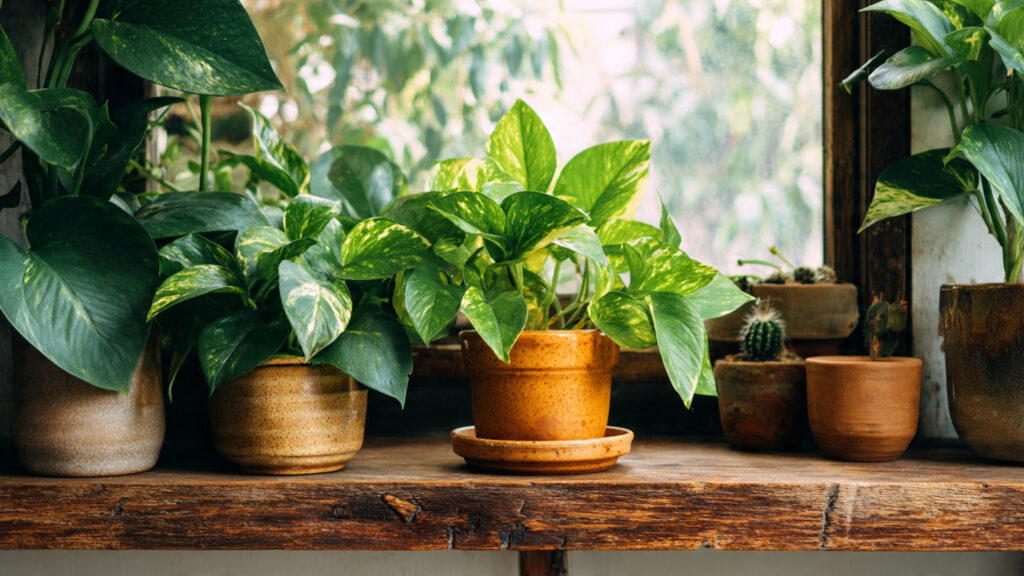
Eating fresh vegetables is one of the simplest ways to stay healthy, but not everyone has access to a backyard garden. Apartments, condos, and urban living spaces often make traditional gardening challenging. Fortunately, growing vegetables without a garden is not only possible—it can be simple, space-saving, and highly rewarding. With the right techniques, containers, and care, you can enjoy fresh, homegrown produce right from your balcony, windowsill, or even kitchen counter.
This article explores practical methods, tips, and strategies to grow vegetables without a garden, ensuring you have access to fresh, nutrient-rich food all year round.
Why Grow Vegetables Without a Garden?
Urbanization and limited outdoor space shouldn’t stop anyone from growing their own food. There are several reasons why container gardening, vertical gardening, and hydroponics have become popular:
- Accessibility: Anyone can grow vegetables, regardless of space constraints.
- Freshness: Homegrown vegetables taste better and are free from harmful chemicals.
- Cost-effective: Growing your own food reduces grocery bills over time.
- Sustainability: Reduces carbon footprint by minimizing transportation and packaging.
- Therapeutic benefits: Gardening, even in small spaces, relieves stress and encourages mindfulness.
By adopting these methods, you can cultivate fresh vegetables without needing a traditional garden plot.
Container Gardening: The Easiest Way to Start
Container gardening is a versatile way to grow vegetables in limited space. Almost any container with drainage can be used—from pots and buckets to old crates and recycled containers.
Steps to grow vegetables in containers:
- Choose the right container: Ensure it has drainage holes and is large enough for root development. For example, tomatoes require at least a 5-gallon container.
- Use quality soil: A mix of potting soil and compost ensures proper nutrition and drainage. Avoid garden soil, which can compact and retain too much water.
- Select suitable vegetables: Leafy greens (lettuce, spinach), herbs (basil, mint), and small fruiting vegetables (cherry tomatoes, peppers) grow well in containers.
- Water consistently: Container vegetables dry out faster than garden soil, so regular watering is essential.
- Fertilize: Use liquid fertilizers or slow-release pellets to provide nutrients throughout the growing season.
Container gardening is ideal for beginners because it is simple, low-maintenance, and scalable.
Vertical Gardening: Maximizing Space
If floor space is limited, vertical gardening allows you to grow vegetables upward using walls, shelves, or trellises.
Techniques for vertical gardening:
- Trellises and stakes: Support climbing plants like beans, peas, and cucumbers.
- Hanging pots: Perfect for herbs, strawberries, and small leafy vegetables.
- Stackable planters: Multi-level containers save space and make harvesting easier.
- Wall-mounted pockets: Fabric or plastic pockets attached to walls can hold small plants like lettuce or radishes.
Vertical gardening increases yield without occupying much floor space, making it ideal for balconies and small apartments.
Hydroponics: Soil-Free Vegetable Growth
Hydroponics is a soilless gardening method where plants grow in nutrient-rich water. Though slightly more technical, hydroponics is efficient, fast-growing, and perfect for indoor setups.
Basic hydroponic systems for beginners:
- Deep Water Culture (DWC): Plants are suspended in water with roots submerged, receiving oxygen via air stones.
- Nutrient Film Technique (NFT): A thin film of nutrient solution flows over roots in a sloped channel.
- Kratky Method: A simple, passive hydroponic method requiring no pumps; roots grow in a partially filled container.
Vegetables suitable for hydroponics: Leafy greens (lettuce, spinach, kale), herbs (basil, cilantro), and small fruiting plants (cherry tomatoes, peppers).
Hydroponics is particularly useful for urban dwellers seeking fresh produce year-round without outdoor space.
Indoor Gardening: Using Light and Containers
Indoor gardening is another way to grow vegetables without a traditional garden. Even kitchens, windowsills, or living rooms can become productive vegetable-growing spaces.
➡️ How to Grow Malabar Spinach from Cuttings for Fast, Easy Greens
➡️ How to Grow Super Delicious Cabbage at Home Without a Garden
➡️ How to Grow Bean Sprouts at Home in Plastic Bottles Easily (Step‑by‑Step Guide)
➡️ Why is Your Lemon Tree Blooming in the Heart of Winter?
➡️ Why Should Your Garden Have a Dedicated Pollinator Highway?
➡️ Why Do Your Fruit Trees Need a Winter Wash to Thrive in Spring?
➡️ How Can Rice Water Transform Your Fruits into Sweeter Delights?
➡️ Jumpstart Your Winter Garden: Seed Starting Under Lights
Tips for indoor vegetable gardening:
- Lighting: Use natural sunlight near windows or supplement with LED grow lights for 12–16 hours daily.
- Containers: Use pots, trays, or recycled containers with drainage.
- Air circulation: Ensure good airflow to prevent fungal diseases.
- Temperature control: Maintain a stable temperature suitable for the plant type (generally 65–75°F for most vegetables).
Indoor gardening is flexible and allows fresh produce to be grown regardless of weather or outdoor conditions.
Choosing the Right Vegetables for Small Spaces
Not all vegetables are suitable for container or indoor gardening. Opt for compact, fast-growing, and productive varieties:
- Leafy greens: Lettuce, spinach, kale, arugula
- Herbs: Basil, cilantro, mint, parsley
- Root vegetables: Radishes, baby carrots, green onions
- Small fruiting plants: Cherry tomatoes, peppers, dwarf cucumbers
- Legumes: Bush beans and peas
Choosing the right vegetables ensures a high yield and successful harvest even without a garden.
Watering, Fertilizing, and Maintenance
Growing vegetables in limited space requires careful attention to water, nutrients, and plant health:
- Watering: Check soil moisture daily. Containers dry out faster than garden beds. Use self-watering containers if possible.
- Fertilizing: Use organic fertilizers, compost tea, or diluted liquid fertilizers every 2–3 weeks.
- Pruning and harvesting: Trim older leaves and harvest regularly to encourage new growth.
- Pest control: Keep an eye out for aphids, spider mites, and fungal infections. Neem oil, insecticidal soap, and proper airflow help prevent problems.
Regular maintenance ensures vegetables stay healthy, productive, and flavorful.
Benefits of Growing Vegetables Without a Garden
Even without a traditional garden, growing vegetables offers numerous advantages:
- Freshness: Harvest vegetables as needed, ensuring maximum flavor and nutrition.
- Cost savings: Reduces grocery expenses over time.
- Sustainability: Reduces packaging waste and transportation impact.
- Education and skill-building: Learn about plant growth, care, and sustainability.
- Therapeutic: Gardening reduces stress, improves mental health, and provides a sense of accomplishment.
Whether you grow in containers, vertically, or hydroponically, the rewards are substantial.
Tips for Success
To maximize success growing vegetables without a garden:
- Start small: Begin with a few easy-to-grow vegetables.
- Observe plants regularly: Check for pests, nutrient deficiencies, or water issues.
- Rotate crops: Avoid growing the same vegetable in the same container consecutively to prevent disease buildup.
- Use quality seeds or seedlings: Healthy starting plants improve success rates.
- Experiment: Try different containers, substrates, and growing methods to see what works best in your space.
Patience and attention to detail are the keys to productive small-space gardening.
Conclusion
Not having a traditional garden doesn’t mean you can’t enjoy fresh, homegrown vegetables. With container gardening, vertical setups, hydroponics, or indoor growing techniques, anyone can cultivate healthy, flavorful vegetables right in their home or apartment.
By choosing the right vegetables, using proper substrates, providing adequate water, nutrients, and light, and maintaining plant health, you can enjoy fresh produce all year round. These methods are not only practical but also cost-effective, sustainable, and therapeutic.
Start small, experiment with different techniques, and watch your indoor or container vegetable garden flourish. With a little care and creativity, you’ll never have to compromise on freshness, flavor, or nutrition—even without a traditional garden.