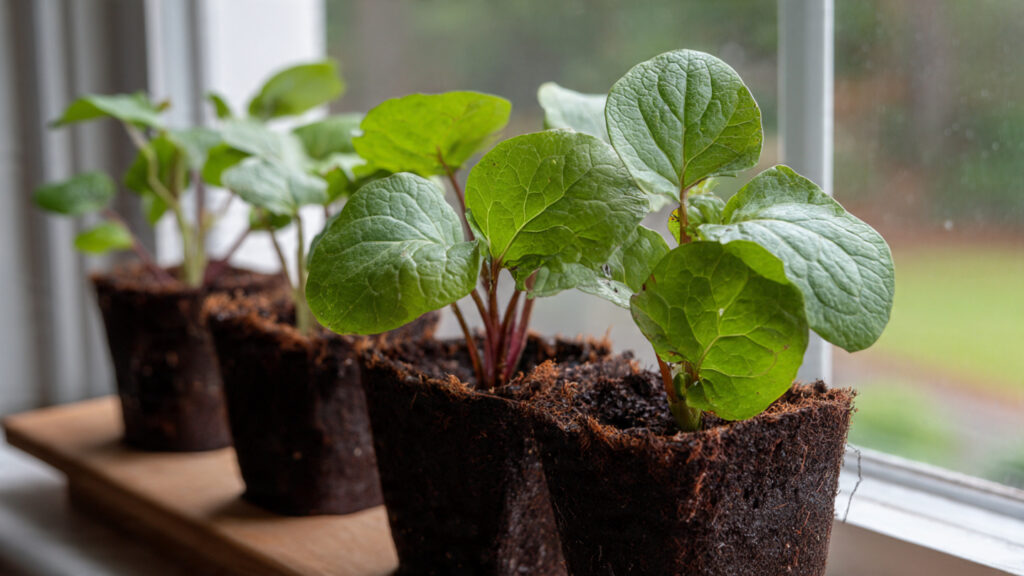
Water spinach, also known as Ipomoea aquatica, is a popular leafy green vegetable prized for its tender leaves and hollow stems. Known as kangkung in Southeast Asia, water spinach is delicious, nutritious, and extremely versatile in culinary uses. The good news for home gardeners is that water spinach is incredibly easy to grow from cuttings, making it an ideal crop for both small gardens and container setups.
In this guide, we will explore step-by-step how to grow water spinach from cuttings, care for the plants, and achieve a bountiful harvest at home, ensuring fresh, flavorful greens year-round.
Why Grow Water Spinach at Home?
There are many reasons to cultivate water spinach in your home garden:
- Nutritional powerhouse – Rich in vitamins A, C, and K, as well as minerals like iron and calcium.
- Continuous harvest – Regrows quickly from cuttings, offering multiple harvests throughout the season.
- Low maintenance – Thrives in water-rich environments with minimal care.
- Culinary versatility – Perfect for stir-fries, soups, salads, and sautés.
- Cost-effective – Growing at home reduces trips to the market and ensures pesticide-free greens.
Water spinach is particularly suitable for home gardeners seeking a fast-growing, high-yield vegetable with minimal effort.
Selecting Healthy Cuttings
Growing water spinach from cuttings begins with choosing the right plant material. Healthy cuttings produce vigorous plants and a higher yield.
Steps to select cuttings:
- Choose a mature, disease-free water spinach plant.
- Look for stems that are 6–8 inches long with at least 3–4 nodes.
- Avoid stems with damaged or yellow leaves.
- Cuttings with small roots are optional; water spinach can root easily even from bare stems.
By selecting strong, healthy cuttings, you set the foundation for a lush, productive crop.
Preparing the Cuttings
Proper preparation ensures faster rooting and better growth. Here’s how:
- Trim lower leaves – Remove leaves from the bottom 2–3 inches of the cutting to prevent rot.
- Cut at an angle – Makes it easier for the plant to absorb water and nutrients.
- Optional rooting hormone – Dip the cut end in rooting hormone powder to boost root development, though water spinach typically roots well without it.
Prepared cuttings are now ready for planting in water or soil.
Planting Water Spinach from Cuttings
Water spinach can be grown in water, soil, or hydroponic systems. Each method works well for home gardeners:
1. Growing in Water
- Fill a glass, jar, or small container with clean water.
- Place the cuttings so that the lower 2–3 inches are submerged.
- Position near a bright, indirect sunlight area.
- Change water every 2–3 days to prevent stagnation.
- Roots will begin to develop in 7–10 days.
This method is ideal for kitchen windowsills or small indoor setups.
2. Growing in Soil
- Prepare a pot or garden bed with well-draining, nutrient-rich soil.
- Plant the cuttings so that at least one or two nodes are buried.
- Water thoroughly after planting and maintain consistently moist soil.
- Mulch around the base to retain moisture.
Soil planting encourages stronger stem development and higher leaf yield.
3. Hydroponic Growth
- Water spinach thrives in nutrient-rich water solutions.
- Use a hydroponic tray or container with oxygenated water and liquid fertilizer.
- Ensure roots are submerged and the plant receives adequate light.
Hydroponic systems are great for urban gardeners with limited soil space.
Ideal Growing Conditions
Water spinach grows best under these conditions:
- Sunlight – Requires 4–6 hours of direct sunlight daily. Partial shade is acceptable but may slow growth.
- Temperature – Thrives in warm conditions between 75–95°F (24–35°C). Avoid frost, as it can damage the plant.
- Watering – Keep soil or container water consistently moist. Water spinach prefers waterlogged or saturated soil.
- Fertilization – Use a balanced organic fertilizer or compost once every 2–3 weeks to encourage lush leaves.
Providing optimal conditions ensures rapid growth and a healthy, flavorful harvest.
➡️ How to Grow Malabar Spinach from Cuttings for Fast, Easy Greens
➡️ How to Grow Super Delicious Cabbage at Home Without a Garden
➡️ How to Grow Bean Sprouts at Home in Plastic Bottles Easily (Step‑by‑Step Guide)
➡️ Why is Your Lemon Tree Blooming in the Heart of Winter?
➡️ Why Should Your Garden Have a Dedicated Pollinator Highway?
➡️ Why Do Your Fruit Trees Need a Winter Wash to Thrive in Spring?
➡️ How Can Rice Water Transform Your Fruits into Sweeter Delights?
➡️ Jumpstart Your Winter Garden: Seed Starting Under Lights
Caring for Water Spinach
Even though water spinach is low-maintenance, some care practices improve yield:
- Regular harvesting – Snip the top 4–6 inches of stems once the plant is 6–8 inches tall. This encourages branching and continuous leaf production.
- Pruning – Remove yellowing or damaged leaves to maintain plant health.
- Pest control – Watch for aphids, caterpillars, or snails. Handpick pests or use mild organic sprays like neem oil.
- Spacing – Ensure adequate space between plants (6–12 inches) to prevent overcrowding and promote airflow.
Consistent care leads to vigorous plants and multiple harvests.
Harvesting for Maximum Yield
Water spinach can be harvested multiple times during its growth cycle:
- Leaf harvest – Cut leaves and tender stems when plants reach 6–8 inches. Avoid removing more than 1/3 of the plant at a time.
- Stem harvest – Use for stir-fry dishes or soups. Harvesting encourages new shoots to grow from the base.
- Continuous harvesting – Regular cutting ensures faster regrowth and a long-lasting supply.
With proper care, a single plant can produce leaves continuously for several months, providing a steady source of fresh greens.
Nutritional Benefits of Water Spinach
Water spinach is not just delicious; it is packed with nutrients:
- Vitamins A and C – Boost immunity and improve vision.
- Iron and calcium – Supports strong bones and blood health.
- Fiber – Aids digestion and maintains gut health.
- Antioxidants – Protect cells from damage and reduce inflammation.
Growing your own water spinach ensures fresh, chemical-free greens that enhance your diet naturally.
Tips for Bountiful Harvests
- Rotate cuttings – Replace older stems with new cuttings to maintain productivity.
- Use companion plants – Plant basil, garlic, or mint nearby to repel pests naturally.
- Ensure proper light – Adjust position seasonally to maintain consistent growth.
- Use organic mulch – Helps retain soil moisture and keeps roots cool.
By following these tips, you can maximize leaf production and enjoy a continuous supply of tender water spinach.
Creative Culinary Uses
Water spinach is extremely versatile in the kitchen:
- Stir-fries – Cook with garlic, chili, and soy sauce for a quick, flavorful dish.
- Soups and broths – Adds texture and nutrients to clear soups.
- Salads – Use tender young leaves raw with a light vinaigrette.
- Juices and smoothies – Boosts nutrition with a mild, refreshing taste.
Having a homegrown supply ensures you can enjoy fresh, flavorful, and healthy greens anytime.
Conclusion
Growing water spinach from cuttings is a simple, rewarding way to enjoy fresh, nutritious greens at home. By selecting healthy cuttings, providing proper water and soil conditions, and harvesting regularly, even beginner gardeners can achieve a bountiful harvest with minimal effort.
Whether you grow it in containers, garden beds, or hydroponic systems, water spinach offers rapid growth, continuous leaf production, and a versatile ingredient for delicious, healthy meals. Start today, and transform your kitchen garden into a lush supply of vibrant, flavorful water spinach that delights your taste buds and nourishes your family.